Soldier Salary, Flying Aces And WW1 Inventions I OUT OF THE TRENCHES
TL;DR
WW1 accelerated technological advances and varied soldier salaries significantly.
Transcript
I'm Indy Neidell, and welcome to another exciting episode of Out of the Trenches, where I sit here in the Chair of Wisdom and answer your questions about the First World War (little Swedish there) All right. Although the war didn't "invent" a lot of things except war machines like tanks, the war accelerated the progress of new products that might... Read More
Key Insights
- World War 1 spurred technological advancements, including improved communications like telephones and wireless radios, and the mass production of stainless steel and wristwatches.
- The war led to the creation of new products such as blood banks, portable x-ray machines, and Cellu-Cotton, which was later used for sanitary pads.
- Daylight savings was introduced in Germany in 1916 to conserve coal, showcasing the war's impact on societal practices.
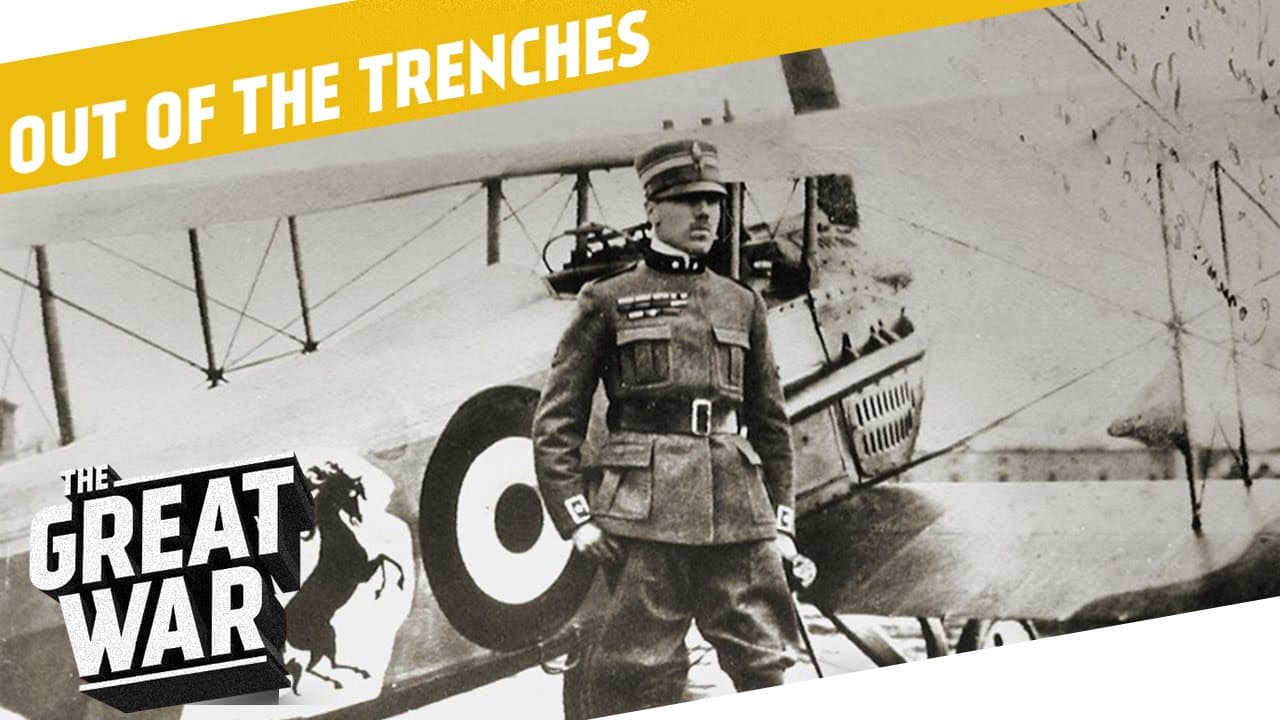
- Aerial combat heroes emerged from various nations, including Alexander Kaskakov, Ahmet Ali Celikten, and Francesco Baracca, each with unique combat tactics.
- Soldier salaries varied greatly by country, with American soldiers generally receiving higher pay compared to their European counterparts.
- Australian soldiers were paid six shillings per day, with part of it allocated for expenses, while British soldiers earned between one and 1.6 shillings daily.
- German soldiers were paid three times a month, with privates earning 70 Pfennigs per day, enough for basic sustenance like beer.
- The video encourages viewers to explore more about World War 1 through various platforms and also to support the channel through Patreon or merchandise purchases.
Install to Summarize YouTube Videos and Get Transcripts
Explore YouTube Video Summarizer or Get YouTube Transcript Extractor
Questions & Answers
Q: What technological advancements were accelerated by World War 1?
World War 1 accelerated the development of several technological advancements, including improved communications such as telephones and wireless radios. The war also led to the mass production of wristwatches and stainless steel, and the creation of new products like blood banks, portable x-ray machines, and Cellu-Cotton, which was later used for sanitary pads.
Q: Who were some notable aerial combat heroes from World War 1?
Notable aerial combat heroes from World War 1 included Alexander Kaskakov, a fearless pilot known for ramming enemy planes, Ahmet Ali Celikten, likely the first black fighter pilot who later taught at the Turkish Naval Flight School, and Francesco Baracca, an Italian pilot famed for his close-range attacks using enemy blind spots.
Q: How did soldier salaries vary across different countries during World War 1?
Soldier salaries during World War 1 varied significantly across different countries. Australian soldiers earned six shillings per day, with a portion allocated for expenses. British soldiers received between one and 1.6 shillings daily, while American soldiers were generally better paid, with a Private First Class earning $30 per month. German soldiers were paid thrice a month, with privates earning 70 Pfennigs per day.
Q: What societal changes were influenced by World War 1?
World War 1 influenced several societal changes, including the introduction of daylight savings in Germany in 1916 to conserve coal. The war also led to the popularization of vegetarian foods like soy sausage due to meat shortages and the widespread use of tea bags, which were initially packaging innovations to save on shipping costs.
Q: What role did Patreon play in supporting the channel?
Patreon plays a significant role in supporting the channel by providing a platform for viewers to offer monthly financial support in exchange for perks. This support helps sustain the channel's operations and enables the creators to continue producing content. Additionally, viewers can support the channel by sharing videos and purchasing merchandise from the online shop.
Q: How did World War 1 impact the production and use of Cellu-Cotton?
World War 1 impacted the production and use of Cellu-Cotton by leading to its development as a new fabric for sanitizing hospitals. Post-war, Cellu-Cotton found a new purpose as it was used to make sanitary pads for women, becoming widely available for sale by 1920. This innovation highlights the war's influence on everyday products and healthcare.
Q: What were some of the key inventions and products that emerged from World War 1?
Key inventions and products that emerged from World War 1 include blood banks, portable x-ray machines, and the fabric Cellu-Cotton. The war also accelerated the popularity of wristwatches and zippers, and led to the mass production of stainless steel. These innovations had lasting impacts, influencing both military and civilian life beyond the war.
Q: What platforms does the channel use to provide more information about World War 1?
The channel provides more information about World War 1 through various platforms, including Reddit, Facebook, Twitter, and Instagram. These platforms offer background knowledge, news, behind-the-scenes glimpses, and more. The channel also encourages viewers to engage with their content and share it to spread awareness about World War 1 history.
Summary & Key Takeaways
-
World War 1 was a catalyst for technological and societal changes, accelerating the development of inventions like telephones, radios, and wristwatches. It also introduced new products, including blood banks and Cellu-Cotton, which had lasting impacts beyond the war era.
-
The war saw the emergence of aerial combat heroes from different nations, each with distinctive tactics. These included Alexander Kaskakov, known for ramming enemy planes, and Ahmet Ali Celikten, likely the first black fighter pilot.
-
Soldier salaries during World War 1 varied widely across countries, with American soldiers generally better paid than their European counterparts. The video discusses these disparities and highlights the unique payment structures in countries like Australia, Britain, and Germany.
Read in Other Languages (beta)
Share This Summary 📚
Summarize YouTube Videos and Get Video Transcripts with 1-Click
Try YouTube Summary with ChatGPT & Claude or YouTube Transcript Generator
Explore More Summaries from The Great War 📚
Summarize YouTube Videos and Get Video Transcripts with 1-Click
Try YouTube Summary with ChatGPT & Claude or YouTube Transcript Generator