Why Did Financiers Fail to Predict World War I?
TL;DR
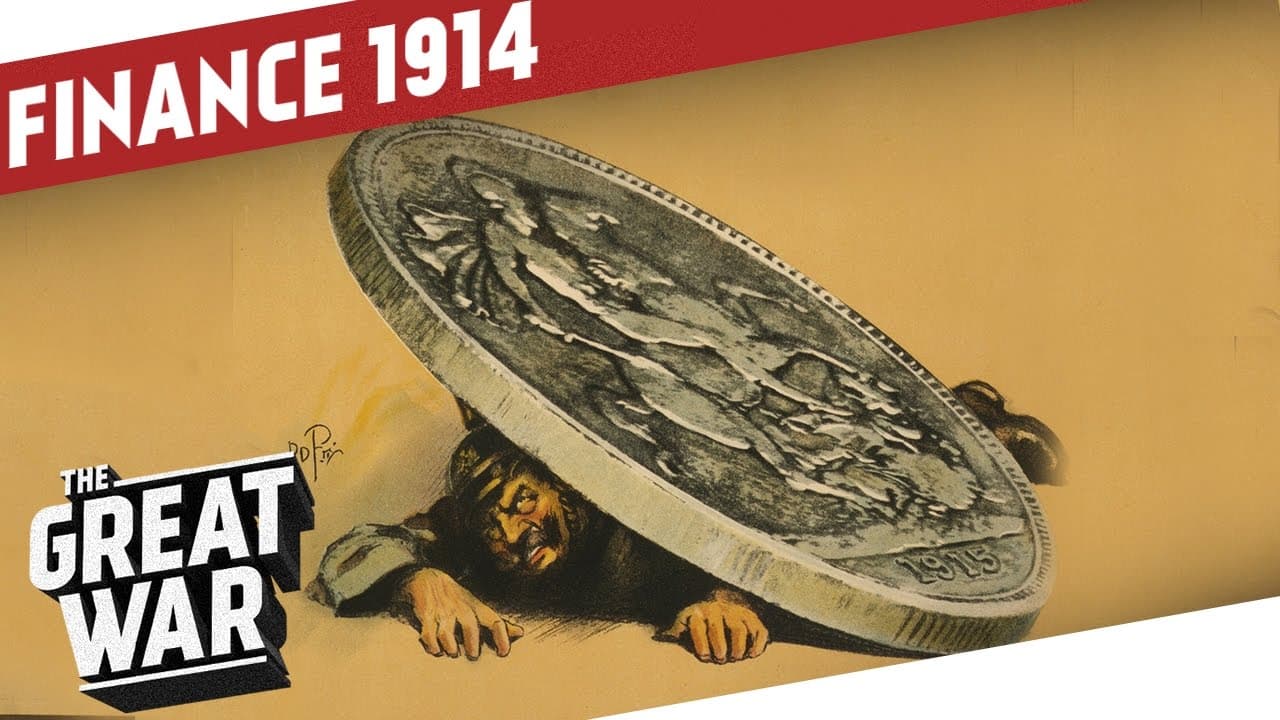
Financiers and investors were caught off guard by World War I, despite their vested interests in anticipating it. The interconnected global economy in 1914 led to a shock as the war disrupted trade and resulted in severe financial consequences, including plummeting bond prices and hyperinflation. This challenges the notion that the war's outbreak was inevitable, suggesting instead it stemmed from a sudden political error.
Transcript
Historians, generally speaking, portray the years leading up to the First World War as a time of mounting crises, and write that the war was a gradually approaching conflict rather than a bolt from the blue. But is that true? Is it perhaps only retrospectively that we’d “seen it coming all along”? The group that had perhaps the strongest interest i... Read More
Key Insights
- The pre-war global economy was highly interconnected, with capital, labor, and commodities moving freely, similar to the early 2000s.
- The outbreak of World War I disrupted globalization, leading to protectionism and a decline in international trade and capital flows.
- Despite their vested interests, financiers like the Rothschilds were surprised by the war, expecting diplomatic resolutions to prevail.
- Bond markets did not anticipate the war, as significant price drops only occurred in the final days before conflict erupted.
- Investors relied heavily on political events to gauge financial risks due to limited economic data availability at the time.
- The war's financial impact was severe, with bond prices plummeting and hyperinflation affecting countries like Germany and Austria.
- The 'short war' illusion misled financiers into underestimating the war's duration and economic consequences.
- This analysis challenges the narrative of an inevitable war, suggesting it was a sudden and avoidable political error.
Install to Summarize YouTube Videos and Get Transcripts
Explore YouTube Video Summarizer or Get YouTube Transcript Extractor
Questions & Answers
Q: Why were financiers caught off guard by World War I?
Financiers were caught off guard by World War I because they underestimated the likelihood and impact of the conflict. Despite having significant stakes in European government bonds, they believed diplomatic resolutions would prevent war. Additionally, the 'short war' illusion led them to expect any conflict to be brief and manageable, which proved incorrect.
Q: How did World War I impact the global economy?
World War I severely disrupted the global economy by halting the free movement of capital, labor, and commodities. The war led to the collapse of globalization, with countries adopting protectionist measures. International trade and capital flows dried up, resulting in significant economic contraction and financial instability across Europe and beyond.
Q: What role did bond markets play in anticipating the war?
Bond markets failed to anticipate World War I, as significant price declines only occurred in the final days before the conflict. Investors relied on political events to assess financial risks due to limited economic data. The late reaction in bond prices suggests that markets did not foresee the war's outbreak until it was almost imminent.
Q: What was the 'short war' illusion?
The 'short war' illusion was a belief held by many financiers and analysts that any major conflict would be brief due to the high economic costs. This assumption led them to underestimate the duration and severity of World War I, resulting in a lack of preparedness for the war's prolonged and devastating impact on the global economy.
Q: How did the war affect major financial houses like the Rothschilds?
The war had a devastating impact on major financial houses like the Rothschilds, who lost half of their capital during the conflict. As prominent holders of European government bonds, they were significantly affected by the war's financial turmoil, including plummeting bond prices and widespread economic instability.
Q: What does the video suggest about the inevitability of World War I?
The video suggests that World War I was not an inevitable event but rather a sudden and avoidable political mistake. It challenges the traditional narrative of a gradually approaching conflict, highlighting how even those with the most to lose, like financiers, were surprised by the war's outbreak, indicating a lack of inevitability.
Q: How did political events influence investors' decisions in 1914?
In 1914, investors heavily relied on political events to make financial decisions due to the scarcity of reliable economic data. Daily updates from newspapers, telegraphs, and private letters informed their assumptions about monetary policy, trade disruptions, and government borrowing, influencing their investment strategies amidst rising tensions.
Q: What were the long-term financial consequences of World War I?
The long-term financial consequences of World War I included significant declines in bond prices, hyperinflation in countries like Germany and Austria, and widespread economic instability. The war reshaped the global financial landscape, leading to increased protectionism, defaults on debts, and a prolonged period of economic recovery and adjustment.
Summary & Key Takeaways
-
The video explores how financiers and investors, despite having the most to lose, were caught by surprise by the outbreak of World War I. It highlights the interconnected nature of the pre-war global economy and how the war disrupted globalization, leading to protectionism and decreased trade.
-
The analysis challenges the common narrative that the war was inevitable, suggesting instead that it was a sudden political mistake. It emphasizes how bond markets failed to predict the war, with significant price changes only occurring in the final days before the conflict.
-
The video discusses the 'short war' illusion that misled financiers into underestimating the war's impact. It highlights the severe financial consequences, including plummeting bond prices and hyperinflation, and questions the inevitability of the war's outbreak.
Read in Other Languages (beta)
Share This Summary 📚
Summarize YouTube Videos and Get Video Transcripts with 1-Click
Try YouTube Summary with ChatGPT & Claude or YouTube Transcript Generator
Explore More Summaries from The Great War 📚
Summarize YouTube Videos and Get Video Transcripts with 1-Click
Try YouTube Summary with ChatGPT & Claude or YouTube Transcript Generator