Why Don't You Use Modern Names For Cities? Who Was A Capable Commander in WW1? I OUT OF THE TRENCHES
TL;DR
Discussion on historical city names and WW1 leadership.
Transcript
hi i'm indy neidell and this is another great war special episode of out of the trenches where I sit here the chair of wisdom and answer your questions and comments about the First World War Richard dumpees writes I feel like you should call Lithuanian cities like they are actually called in English instead of polish Vilnius and Calais instead of V... Read More
Key Insights
- The naming of cities in historical contexts can be controversial, as names have changed due to shifts in political boundaries and ethnic compositions over time.
- Indy Neidell uses historical names for cities as they were known a hundred years ago, aligning with most historical sources, to maintain historical accuracy.
- Some viewers have expressed a preference for using modern names, particularly from Baltic States, but others have not raised issues with other historical names.
- The complexity of naming is highlighted by the example of Kovno, now Kaunas, which had a significantly different ethnic composition a century ago.
- The discussion touches on the broader issue of how history is interpreted and presented, balancing respect for modern identities with historical authenticity.
- Indy acknowledges the challenge of evaluating WW1 leaders, as successful military leadership often involved significant loss of life, complicating judgments of 'good' leadership.
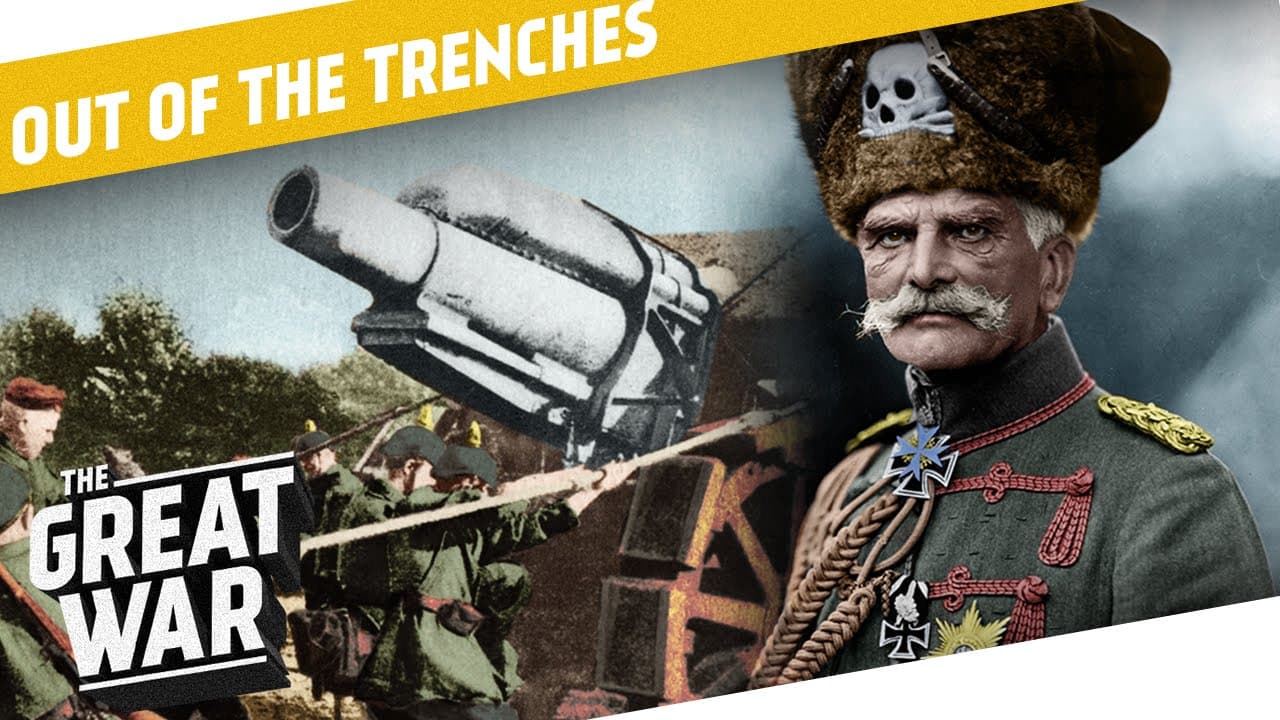
- German General von Mackensen is cited as a competent WW1 leader, achieving objectives without unnecessary harm to civilians.
- The video encourages viewers to engage with historical content and consider the nuances of historical interpretation.
Install to Summarize YouTube Videos and Get Transcripts
Explore YouTube Video Summarizer or Get YouTube Transcript Extractor
Questions & Answers
Q: Why does Indy use historical names for cities instead of modern ones?
Indy uses historical names for cities to maintain historical accuracy and context, as they were known a hundred years ago. This approach aligns with most historical sources and reflects the geopolitical and ethnic realities of the time, despite the sensitivity of the topic.
Q: What challenges are associated with naming cities historically?
Naming cities historically can be challenging due to changes in political boundaries, ethnic compositions, and national identities over time. Using historical names can be seen as disregarding modern identities, but it is important for maintaining historical authenticity and understanding historical contexts.
Q: How does Indy address viewer concerns about city names?
Indy acknowledges viewer concerns and occasionally uses both historical and modern names to address sensitivities. He explains his rationale for using historical names and emphasizes the importance of presenting history as it was recorded, while also considering modern perspectives.
Q: Who is cited as a capable WW1 commander in the video?
German General von Mackensen is cited as a capable WW1 commander. He is noted for achieving military objectives effectively and minimizing unnecessary harm to civilians, illustrating successful leadership within the complex moral landscape of wartime.
Q: What are the complexities of evaluating WW1 leadership?
Evaluating WW1 leadership is complex due to the inherent violence and loss of life in war. Successful leaders achieved objectives but often at great human cost, complicating judgments of 'good' leadership. The ethical implications of wartime decisions add further complexity to these evaluations.
Q: How does the video encourage viewer engagement with history?
The video encourages viewer engagement by addressing common questions and inviting discussion on historical interpretation. It highlights the nuances of presenting history, balancing respect for modern identities with historical accuracy, and encourages viewers to reflect on these complexities.
Q: What is the significance of using historical names in the context of WW1?
Using historical names in the context of WW1 is significant for understanding the geopolitical and ethnic realities of the time. It provides insight into the historical landscape and helps viewers appreciate the complexities and changes that have occurred over the past century.
Q: What role does Indy Neidell play in the Great War series?
Indy Neidell is the presenter and writer for the Great War series, providing historical analysis and context for World War I events. He engages with viewer questions, offers insights into historical topics, and presents the complexities of historical interpretation in an accessible manner.
Summary & Key Takeaways
-
Indy Neidell addresses the common question of why historical city names are used in his videos, explaining the importance of historical context and accuracy. He acknowledges the sensitivities involved but emphasizes the need to present history as it was known at the time.
-
The video also explores the difficulty in assessing WW1 military leadership. Indy discusses the complexities of evaluating leaders who achieved objectives but also caused significant casualties, highlighting the moral ambiguities of war.
-
General von Mackensen is mentioned as an example of a competent leader during WW1. His ability to achieve military goals while minimizing civilian harm is noted, although the broader ethical implications of war remain a point of reflection.
Read in Other Languages (beta)
Share This Summary 📚
Summarize YouTube Videos and Get Video Transcripts with 1-Click
Try YouTube Summary with ChatGPT & Claude or YouTube Transcript Generator
Explore More Summaries from The Great War 📚
Summarize YouTube Videos and Get Video Transcripts with 1-Click
Try YouTube Summary with ChatGPT & Claude or YouTube Transcript Generator