This Brain Implant Could Change Lives
TL;DR
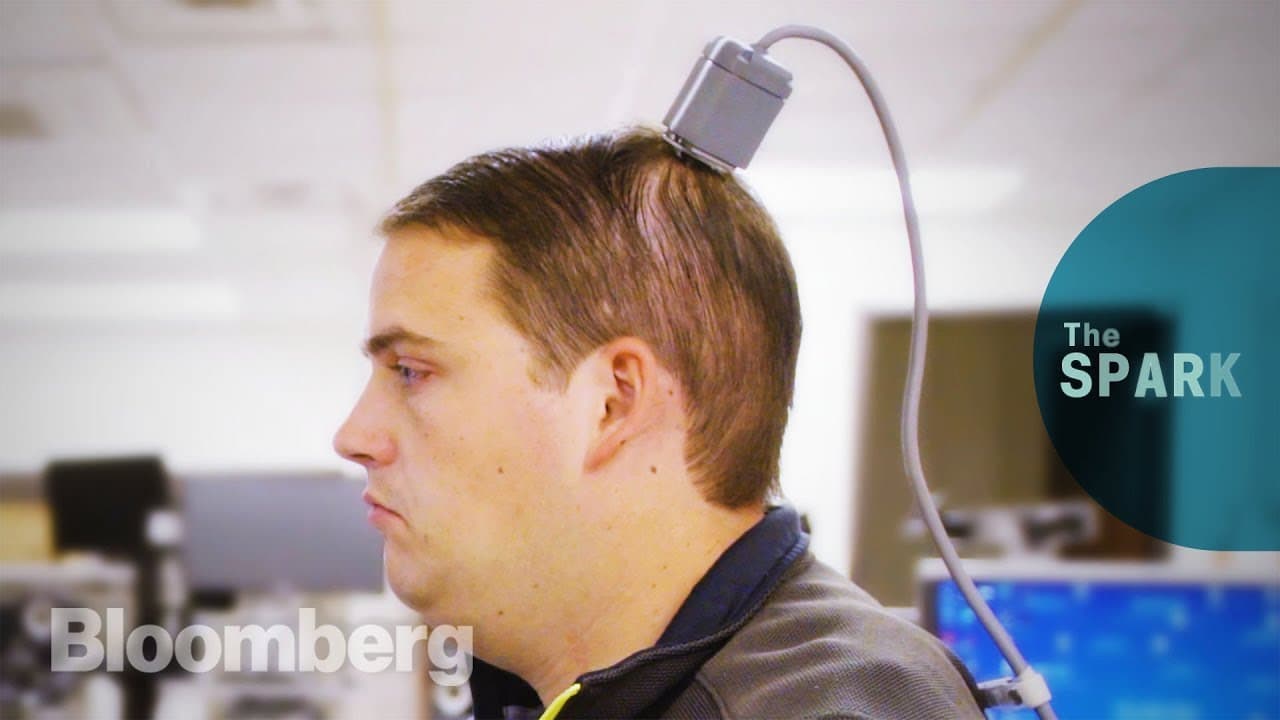
NeuroLife system reconnects brain to body for paralysis patients.
Transcript
I had just finished my freshman year of college. I was out in the ocean and I dove out and into a wave, something I had done many times before. I dove into a sandbar that had drifted in, which fractured my spine and damaged my spinal cord, and that left me as a C5 quadriplegic. I kept asking the doctors, what can I look forward to in the future? ... Read More
Key Insights
- The NeuroLife system aims to restore limb control in paralysis patients by creating an artificial link between the brain and body.
- Ian Burkhart, a C5 quadriplegic, is the first patient to test the NeuroLife system, which has shown promising results in regaining hand movement.
- The system comprises a brain implant, a computer algorithm, and an electrode sleeve, working together to interpret and execute intended movements.
- The technology has progressed to the point where Ian can perform complex tasks such as playing Guitar Hero and pouring liquids.
- The ultimate goal is to develop a portable version of NeuroLife that patients can use independently in their daily lives.
- The technology is still in its early stages, with researchers continuously refining the system to improve functionality and usability.
- Battelle and Ohio State University are collaborating to develop NeuroLife, aiming to make it a commercial product within a few years.
- NeuroLife represents a significant step towards overcoming spinal cord injuries, offering hope for a future where paralysis doesn't mean permanent loss of function.
Install to Summarize YouTube Videos and Get Transcripts
Explore YouTube Video Summarizer or Get YouTube Transcript Extractor
Questions & Answers
Q: What is the purpose of the NeuroLife system?
The NeuroLife system is designed to restore limb control in individuals with paralysis by creating an artificial link between the brain and the body. This system aims to help patients regain independence by allowing them to perform various tasks that were previously impossible due to spinal cord injuries.
Q: Who is the first patient to test the NeuroLife system?
Ian Burkhart, a C5 quadriplegic, is the first patient to test the NeuroLife system. After sustaining a severe spinal cord injury, Ian has been participating in the study to evaluate the effectiveness of the technology in restoring hand movement and improving his quality of life.
Q: What are the components of the NeuroLife system?
The NeuroLife system consists of three main components: a brain implant, a computer algorithm, and an electrode sleeve. The brain implant records the patient's brain activity, the algorithm decodes and interprets the intended movements, and the electrode sleeve activates the muscles to execute the movements.
Q: What tasks has Ian Burkhart been able to perform with the NeuroLife system?
With the help of the NeuroLife system, Ian Burkhart has been able to perform tasks such as picking up objects, manipulating them in space, playing Guitar Hero, and pouring liquids. These achievements demonstrate the potential of the technology to restore significant hand function in paralysis patients.
Q: What is the ultimate goal of the NeuroLife project?
The ultimate goal of the NeuroLife project is to develop a portable version of the system that patients can use independently in their daily lives. Researchers aim to make the technology accessible and practical for home use, allowing individuals with paralysis to regain independence and improve their quality of life.
Q: How does the NeuroLife system interpret brain activity?
The NeuroLife system interprets brain activity using a computer algorithm that decodes the signals recorded by the brain implant. This algorithm interprets the patient's intended movements and sends commands to the electrode sleeve, which then activates the muscles to perform the desired actions.
Q: What challenges does the NeuroLife system currently face?
The NeuroLife system is still in its early stages and faces challenges related to refining the technology for improved functionality and usability. Researchers are working to enhance the system's accuracy, make it more user-friendly, and develop a portable version that can be used independently by patients in their daily lives.
Q: What organizations are involved in developing the NeuroLife system?
The NeuroLife system is being developed through a collaboration between Battelle and Ohio State University. These organizations are working together to advance the technology, with the aim of making it a commercial product that can significantly improve the lives of individuals with spinal cord injuries.
Summary & Key Takeaways
-
The NeuroLife system, developed by Battelle and Ohio State University, is a groundbreaking technology that aims to restore limb control in paralysis patients by creating an artificial link between the brain and body. The system has shown promising results in its early stages, with the potential to significantly improve the lives of those with spinal cord injuries.
-
Ian Burkhart, a C5 quadriplegic, is the first patient to test the NeuroLife system. The technology comprises a brain implant, a computer algorithm, and an electrode sleeve, working together to interpret and execute intended movements. Ian has regained significant hand movement, enabling him to perform complex tasks.
-
The ultimate goal of NeuroLife is to develop a portable version that patients can use independently in their daily lives. While the technology is still in its early stages, researchers are continuously refining the system to improve functionality and usability, aiming to make it a commercial product within a few years.
Read in Other Languages (beta)
Share This Summary 📚
Summarize YouTube Videos and Get Video Transcripts with 1-Click
Try YouTube Summary with ChatGPT & Claude or YouTube Transcript Generator
Explore More Summaries from Bloomberg Originals 📚





Summarize YouTube Videos and Get Video Transcripts with 1-Click
Try YouTube Summary with ChatGPT & Claude or YouTube Transcript Generator