Tel Aviv's E-Scooter Transformation
TL;DR
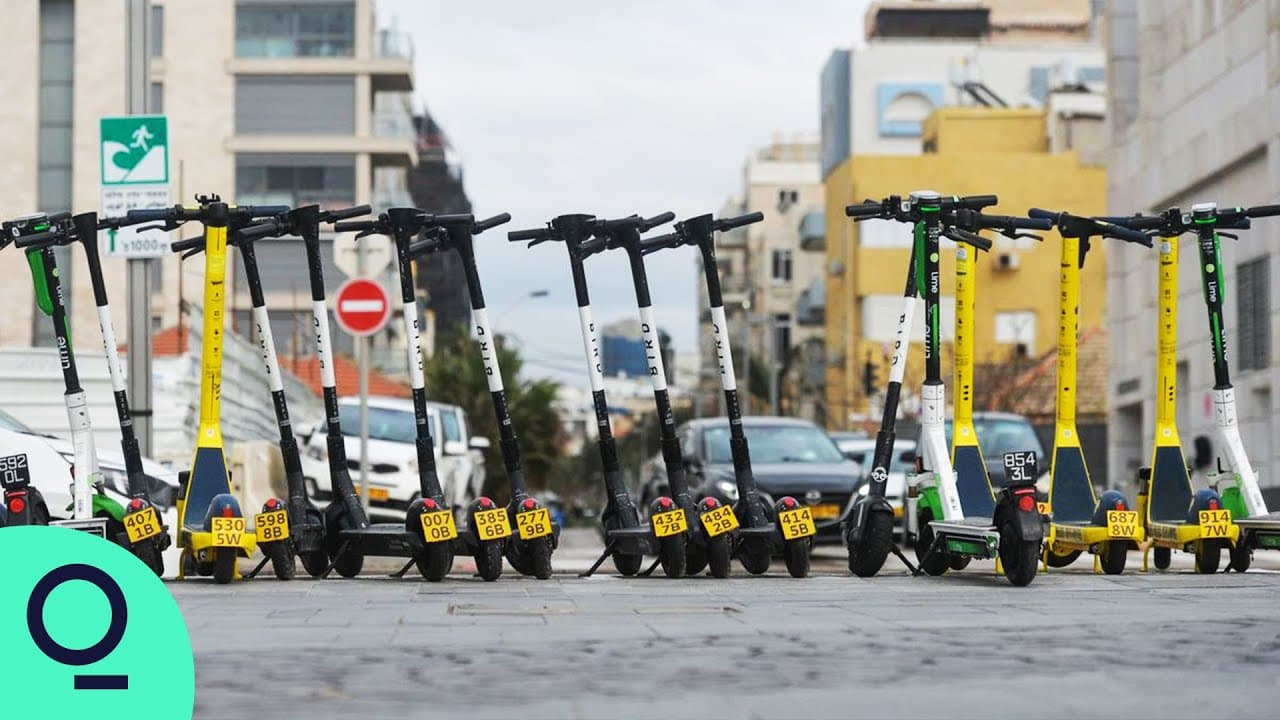
Tel Aviv is transforming with micromobility infrastructure to reduce congestion and pollution.
Transcript
We are in the middle of a big change. Transportation, it’s going to be very different from what we know now. When you build it, they will come. When you build the bike lanes, micromobility will come. It will be revolutionary. And I think Israel is in the front of the revolution. Tel Aviv is very, very friendly for micromobility which means the b... Read More
Key Insights
- Tel Aviv is at the forefront of a micromobility revolution, enhancing infrastructure to support e-scooters and bikes.
- The city's flat terrain and strategic planning have made it conducive to micromobility, with 170,000 daily bikers.
- High-tech transportation is reshaping Tel Aviv, with 160 kilometers of bike lanes and reduced car access in certain areas.
- Traffic congestion is a major contributor to emissions in Israel, prompting a shift towards sustainable transport solutions.
- Tel Aviv aims to have over 25% of rides via micromobility by 2025, showcasing a commitment to reducing car dependency.
- Safety concerns are addressed through regulations, including helmet mandates and age restrictions for scooter operators.
- Tel Aviv's startup culture and tech-savvy population are driving the adoption of innovative transportation solutions.
- The transformation includes creating a more walkable city, improving air quality, and supporting local businesses.
Install to Summarize YouTube Videos and Get Transcripts
Explore YouTube Video Summarizer or Get YouTube Transcript Extractor
Questions & Answers
Q: What is the main focus of Tel Aviv's transportation transformation?
Tel Aviv's transportation transformation focuses on developing micromobility solutions, such as e-scooters and bikes, to reduce traffic congestion and pollution. The city is enhancing infrastructure with extensive bike lanes and restricting car access in certain areas to encourage alternative transportation methods.
Q: How is Tel Aviv addressing safety concerns with e-scooters?
Tel Aviv is addressing safety concerns with e-scooters through regulations that include mandatory helmet use and age restrictions for operators, requiring them to be 18 or older. These measures aim to reduce accidents and ensure the safety of both riders and pedestrians in the city.
Q: Why is Tel Aviv an ideal city for micromobility adoption?
Tel Aviv is ideal for micromobility adoption due to its flat terrain, which makes biking and scooter riding easier. Additionally, the city's strategic planning and infrastructure development, such as bike lanes and reduced car access, support this shift. The tech-savvy population also embraces innovative transportation solutions.
Q: What are the environmental benefits of Tel Aviv's transportation strategy?
Tel Aviv's transportation strategy offers environmental benefits by reducing traffic congestion and emissions, which are major contributors to pollution in Israel. By promoting micromobility solutions and creating a more walkable city, Tel Aviv aims to improve air quality and create a cleaner, more sustainable urban environment.
Q: How has Tel Aviv's startup culture influenced its transportation transformation?
Tel Aviv's startup culture has significantly influenced its transportation transformation by fostering innovation and early adoption of new technologies. The city's tech-savvy population and high concentration of startups drive the development and implementation of micromobility solutions, positioning Tel Aviv as a leader in sustainable urban transport.
Q: What infrastructure developments support Tel Aviv's micromobility goals?
To support its micromobility goals, Tel Aviv has developed 160 kilometers of bike lanes and designated areas for e-scooters. The city has also created more walkable spaces by restricting car access in certain areas, allowing businesses to expand outdoor seating and improving air quality and noise levels.
Q: What is Tel Aviv's long-term vision for transportation by 2025?
By 2025, Tel Aviv aims to have over 25% of rides conducted via micromobility, reducing car dependency and promoting sustainable transportation. This vision includes extensive infrastructure development, safety regulations, and fostering a culture of innovation to create a cleaner, less congested city.
Q: How does Tel Aviv's transportation strategy impact local businesses?
Tel Aviv's transportation strategy positively impacts local businesses by creating more walkable spaces and reducing car access in certain areas. This allows businesses to expand outdoor seating, attract more foot traffic, and enhance the overall urban experience, contributing to a vibrant and economically thriving city.
Summary & Key Takeaways
-
Tel Aviv is undergoing a significant transformation in transportation, focusing on micromobility solutions like e-scooters and bikes to combat congestion and pollution. The city has developed extensive bike lanes and restricted car access in certain areas to encourage alternative transportation.
-
With 170,000 daily bikers and a goal to have 25% of rides via micromobility by 2025, Tel Aviv is leading the way in sustainable urban transport. The city's flat terrain and strategic planning make it ideal for this shift, supported by a tech-savvy population.
-
Safety remains a concern, prompting regulations like helmet use and age restrictions for scooter operators. Tel Aviv's startup culture and commitment to innovation are key factors in its transportation evolution, aiming for a cleaner, less congested city.
Read in Other Languages (beta)
Share This Summary 📚
Summarize YouTube Videos and Get Video Transcripts with 1-Click
Try YouTube Summary with ChatGPT & Claude or YouTube Transcript Generator
Explore More Summaries from Bloomberg Originals 📚






Summarize YouTube Videos and Get Video Transcripts with 1-Click
Try YouTube Summary with ChatGPT & Claude or YouTube Transcript Generator