The Myth of the Chinese Debt Trap in Africa
TL;DR
China's African investments challenge Western views but lack evidence of debt-trap diplomacy.
Transcript
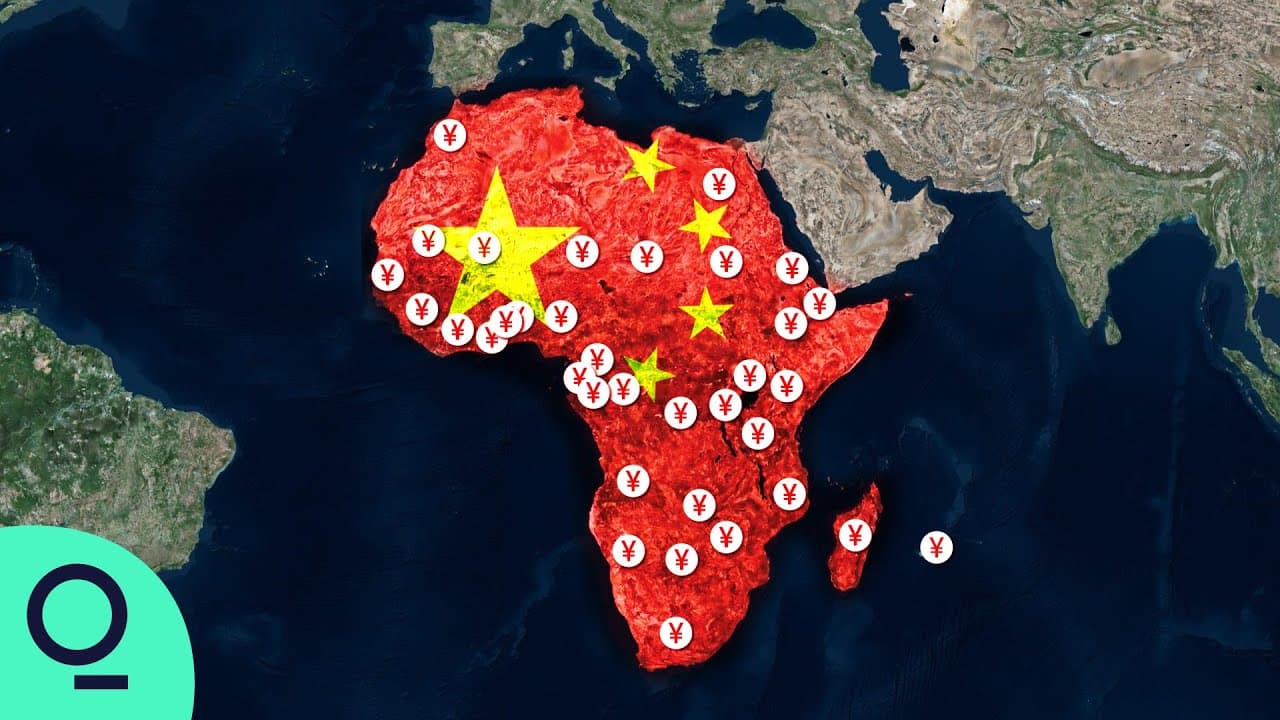
In the past two decades, China has built large infrastructure projects in almost every country in Africa. And this has made Western critics uncomfortable. China and Africa can forge an even stronger, comprehensive, strategic and cooperative partnership. A common portrayal of China's lending practices is known as debt-trap diplomacy, a phrase made p... Read More
Key Insights
- China's infrastructure projects in Africa have raised concerns in the West, but evidence of debt-trap diplomacy is lacking.
- Chinese loans to Africa are categorized into zero interest, concession, and commercial loans, often misunderstood when compared to Western lending.
- Critics argue that China's rapid project implementation lacks due diligence, potentially leading to unsustainable debt for African nations.
- China's involvement in Africa is driven by strategic interests, including political alliances and economic expansion, rather than solely resource acquisition.
- Comparatively, China's loans form a small percentage of total African debt, reducing fears of China using debt as leverage.
- Western nations are responding with their own infrastructure initiatives, but face skepticism about their intentions and efficacy.
- China's projects often lack transparency, leading to fears of corruption and exploitation, as seen in the Democratic Republic of Congo.
- African nations welcome Chinese investments due to a significant infrastructure gap, prioritizing development over geopolitical concerns.
Install to Summarize YouTube Videos and Get Transcripts
Explore YouTube Video Summarizer or Get YouTube Transcript Extractor
Questions & Answers
Q: What is debt-trap diplomacy, and how is it related to China's investments in Africa?
Debt-trap diplomacy refers to a situation where a lender, such as China, overwhelms a borrower with unsustainable debt, forcing them to surrender strategic assets or political leverage. Despite Western concerns, there is no substantial evidence that China has employed such tactics in Africa, as Chinese loans constitute a small percentage of African debt.
Q: How do Chinese loans differ from Western loans in Africa?
Chinese loans to Africa are categorized into zero interest loans, concession loans with lower interest rates, and commercial loans with higher rates. Western loans, often from institutions like the World Bank, typically have lower interest rates and more transparent terms. Misunderstandings arise when these different loan types are compared without considering their distinct characteristics.
Q: What are the criticisms of China's rapid project implementation in Africa?
Critics argue that China's rapid implementation of infrastructure projects in Africa often lacks thorough due diligence, leading to financial, social, and environmental sustainability concerns. This haste can result in projects that become financially burdensome for African nations, potentially leading to unsustainable debt and limited long-term benefits.
Q: Why is China's involvement in Africa strategically important?
China's involvement in Africa is strategically important for several reasons, including expanding political influence, securing economic partnerships, and fostering alliances. This engagement is not solely about resource acquisition; it reflects China's broader geopolitical strategy to strengthen ties with African nations, which often vote as a bloc in international organizations.
Q: How significant is Chinese debt in Africa compared to other creditors?
Chinese debt in Africa is relatively small compared to other creditors. In countries like Kenya and Nigeria, Chinese loans account for a minor percentage of total public debt. This diminishes the potential for China to use debt as leverage, as the majority of African debt is owed to private bond markets and multilateral institutions.
Q: What are the Western responses to China's investments in Africa?
Western nations, concerned about China's growing influence, have launched infrastructure initiatives such as the EU's Global Gateway and the U.S.'s Build Back Better World. These initiatives aim to offer alternatives to Chinese investments but face skepticism regarding their effectiveness and intentions, as African countries prioritize practical development needs.
Q: What transparency issues arise from China's projects in Africa?
China's projects in Africa often face transparency issues, with concerns about corruption and lack of clarity in agreements. This is exemplified by the Democratic Republic of Congo, where leaked documents revealed financial flows to government officials. Such issues raise fears of exploitation and undermine trust in Chinese investments.
Q: Why do African nations welcome Chinese investments despite criticisms?
African nations welcome Chinese investments due to a significant infrastructure gap that hampers development. Chinese projects offer practical solutions to these challenges, with African leaders prioritizing development outcomes over geopolitical tensions. The focus is on bridging infrastructure deficits, regardless of external criticisms about transparency or strategic motives.
Summary & Key Takeaways
-
China's investment in African infrastructure has been substantial, fueling Western concerns about potential debt-trap diplomacy, though evidence remains scarce. African nations value the partnership for development, despite criticisms of transparency and due diligence in Chinese loans.
-
Western powers, wary of China's growing influence, are launching their own infrastructure initiatives in Africa. However, African countries prioritize development needs over geopolitical tensions, accepting Chinese investments to bridge significant infrastructure gaps.
-
While China's rapid infrastructure projects in Africa raise questions about financial sustainability and transparency, they also highlight a strategic partnership that benefits both regions. Western responses are seen as reactive, with African nations focusing on practical development outcomes.
Read in Other Languages (beta)
Share This Summary 📚
Summarize YouTube Videos and Get Video Transcripts with 1-Click
Try YouTube Summary with ChatGPT & Claude or YouTube Transcript Generator
Explore More Summaries from Bloomberg Originals 📚





Summarize YouTube Videos and Get Video Transcripts with 1-Click
Try YouTube Summary with ChatGPT & Claude or YouTube Transcript Generator