Germans in the US - Thalerhof Internment Camp I OUT OF THE TRENCHES
TL;DR
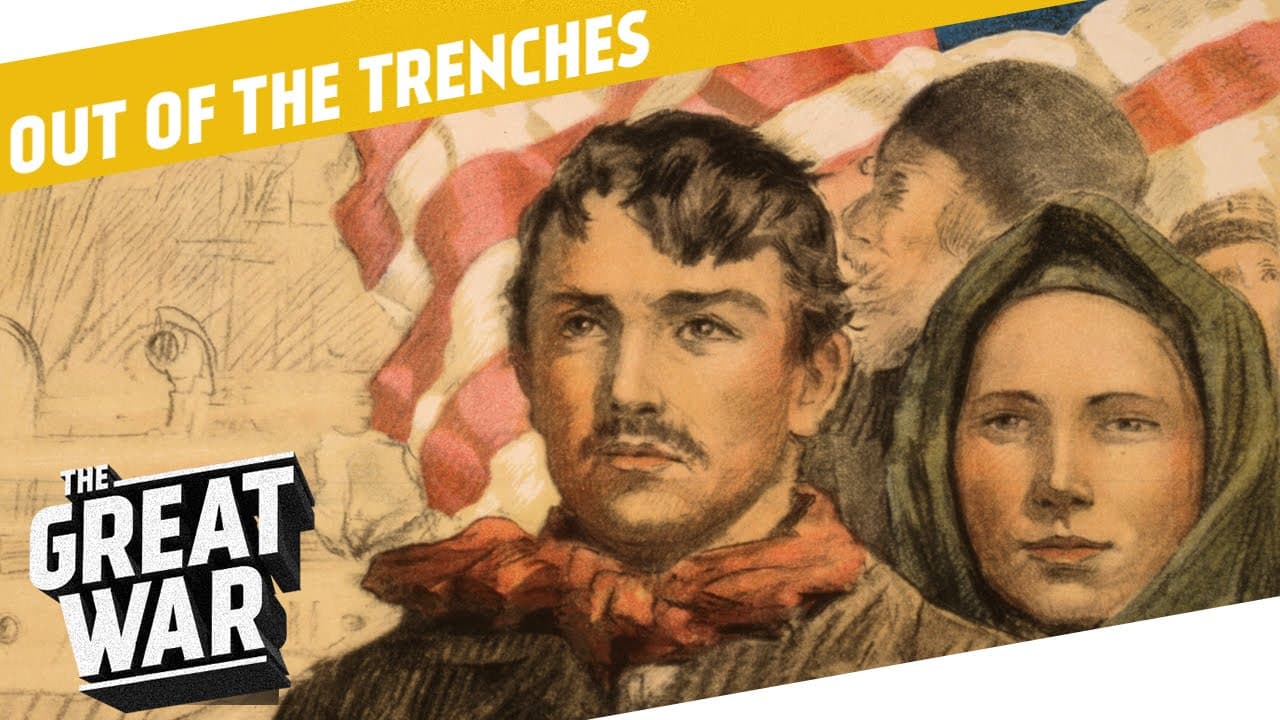
German Americans faced loyalty challenges during WWI.
Transcript
I'm Indie nidel and this is another exciting episode of out of the trenches where I sit here in the chair of wisdom and answer your questions about the first world war tan trip writes did a lot of German Americans feel a sense of Duty to the Fatherland when war broke out the USA had a huge German population at the time and I would think at least so... Read More
Key Insights
- German Americans were the largest non-English minority in the US during WWI, primarily residing in the Midwest and urban areas.
- Despite their heritage, many German Americans opposed Germany's aggressive politics and did not support the Kaiser.
- German American newspapers played a key role in voicing anti-war opinions, leading to accusations of disloyalty.
- Public harassment and political accusations against German Americans were common, fueled by a sense of American nationalism.
- The Thalerhof internment camp was established by Austria-Hungary for civilians deemed disloyal, with harsh conditions and high mortality rates.
- German East Africa was in constant unrest during the colonial era, with civilians often forced into labor for the military.
- The local population in German East Africa had varied responses to the war, with some benefiting from colonial rule while others suffered greatly.
- Indy Neidell's 'Out of the Trenches' series offers insights into WWI, addressing viewer questions with historical context.
Install to Summarize YouTube Videos and Get Transcripts
Explore YouTube Video Summarizer or Get YouTube Transcript Extractor
Questions & Answers
Q: What was the general attitude of German Americans towards Germany during WWI?
German Americans generally opposed Germany's aggressive politics during WWI, despite valuing their heritage. Many did not support the Kaiser and preferred the US to remain neutral. Their anti-war stance often led to accusations of disloyalty from those who held a more Anglo-centric view of American patriotism.
Q: Why were German American newspapers significant during WWI?
German American newspapers were significant during WWI as they provided a platform for expressing anti-war opinions. These publications played a crucial role in voicing the community's desire for neutrality, but also led to accusations of unpatriotism and disloyalty, as they challenged the prevailing pro-war sentiment in the US.
Q: What was the Thalerhof internment camp, and why was it established?
The Thalerhof internment camp was established by Austria-Hungary to detain civilians suspected of being Russophiles, primarily Carpatho-Ruthenians and Ukrainians. The camp operated during the early years of WWI, with harsh conditions leading to significant mortality. It reflects the broader trend of using internment camps to manage perceived threats during wartime.
Q: How did the local population in German East Africa react to WWI?
The local population in German East Africa had varied reactions to WWI. The region was in constant unrest, with many civilians forced into labor and suffering from famine. While some locals benefited from the colonial system, others were indifferent to the outcome of the war, desiring only peace and stability.
Q: What challenges did German Americans face regarding their loyalty during WWI?
German Americans faced significant challenges regarding their loyalty during WWI. Their cultural ties to Germany contrasted with their political allegiance to the US, leading to public suspicion and harassment. Political accusations of disloyalty and anti-German sentiment further complicated their position in American society.
Q: What role did public harassment play in the experience of German Americans during WWI?
Public harassment played a significant role in the experience of German Americans during WWI. Accused of disloyalty due to their anti-war stance, they faced hostility from groups like the Knights of Liberty. This harassment was part of a broader nationalistic fervor that questioned the patriotism of ethnic minorities.
Q: What were the conditions like in the Thalerhof internment camp?
Conditions in the Thalerhof internment camp were harsh and led to high mortality rates. Established by Austria-Hungary for civilians of questionable loyalty, the camp detained over 20,000 people in poor conditions. Prisoners had to renounce cultural ties to Russia to be released, highlighting the camp's role in cultural suppression.
Q: How did the Great War impact German East Africa's civilian population?
The Great War had a devastating impact on German East Africa's civilian population. The region was in a state of unrest, with civilians forced into labor for the military. The war exacerbated existing issues of famine and conflict, leaving the local population in a dire situation, caught between colonial powers and their own survival.
Summary & Key Takeaways
-
German Americans in the early 20th century faced complex loyalty issues during WWI. Although they valued their heritage, many opposed Germany's aggressive politics. Their anti-war stance often led to accusations of disloyalty and public harassment, highlighting the tension between cultural identity and national allegiance.
-
The Thalerhof internment camp, operated by Austria-Hungary, imprisoned civilians suspected of being Russophiles. Conditions were poor, and many died. The camp reflects the broader trend of internment during the 20th century, where civilians were detained based on perceived loyalty to enemy nations.
-
German East Africa experienced significant turmoil during WWI, with the local population caught between colonial powers. Civilians were often forced into labor, and the region suffered from famine and conflict. The diverse responses of the local populace to the war highlight the complexity of colonial dynamics during this period.
Read in Other Languages (beta)
Share This Summary 📚
Summarize YouTube Videos and Get Video Transcripts with 1-Click
Try YouTube Summary with ChatGPT & Claude or YouTube Transcript Generator
Explore More Summaries from The Great War 📚
Summarize YouTube Videos and Get Video Transcripts with 1-Click
Try YouTube Summary with ChatGPT & Claude or YouTube Transcript Generator