Fighting on Alpine Peaks - Call for Self Determination I THE GREAT WAR Week 130
TL;DR
Nationalism rises amid brutal WWI battles and strategic diplomacy.
Transcript
Great empires ruled much of Europe when the war began. These empires had, of course, many religious, ethnic, or national minorities as parts of them, but in a great many cases those minorities and their interests were not given equal rights or were actively repressed, but as the war has progressed we see more and more the rise of nationalism and de... Read More
Key Insights
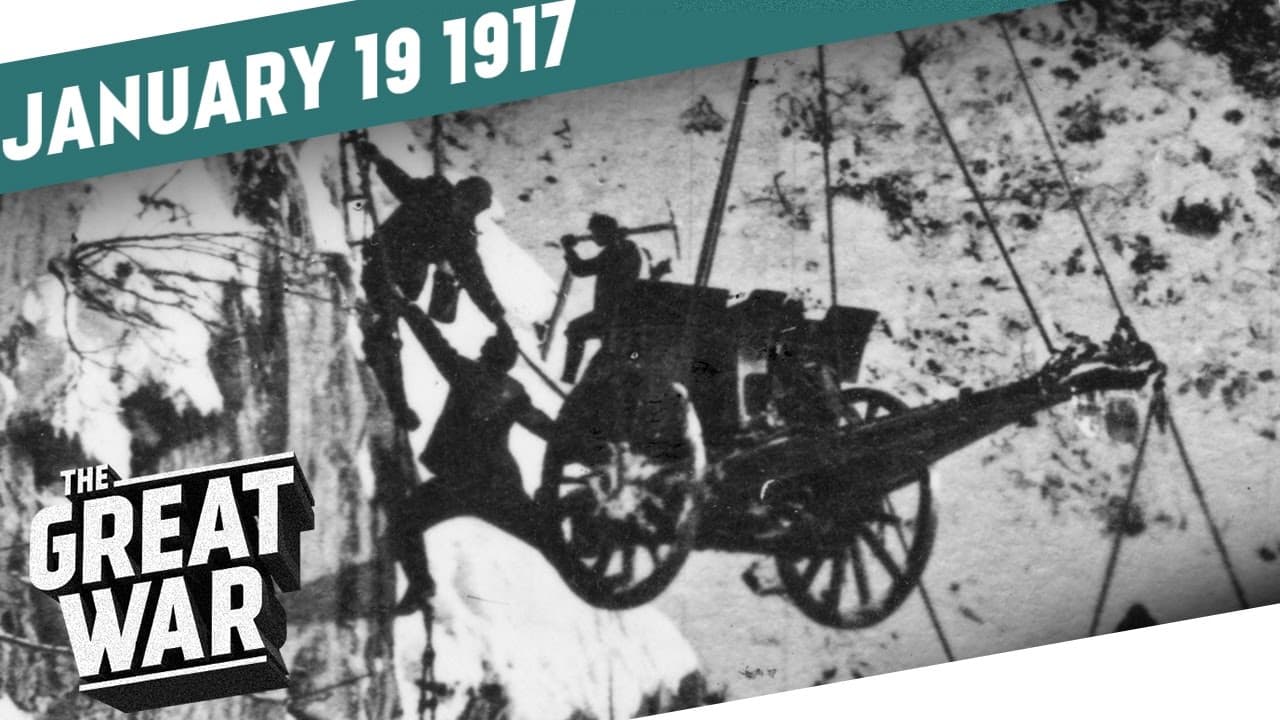
- The harsh winter of 1916/1917 severely impacted the Italian Front, with extreme weather conditions affecting military operations in the Dolomites.
- Nationalism surged during the war, with various ethnic groups seeking self-determination and independence from the empires controlling them.
- The Zimmermann Telegram was a significant diplomatic incident where Germany sought Mexico's alliance against the US in exchange for territorial gains.
- The Romanian campaign, often overlooked, was a major victory for Germany, leading to the occupation of significant territories and the fall of Bucharest.
- Ethnic and national aspirations were increasingly recognized, with Allied powers supporting the liberation of peoples within the Austro-Hungarian Empire.
- The Greek political situation was tense, with Allied forces intervening to maintain peace between Royalist and Venizelist factions.
- The rise of nationalism and recognition of colonial contributions indicated a shift in perceptions of colonial territories as independent forces.
- Falkenhayn felt slighted for his role in the Romanian campaign, highlighting tensions within the German military command structure.
Install to Summarize YouTube Videos and Get Transcripts
Explore YouTube Video Summarizer or Get YouTube Transcript Extractor
Questions & Answers
Q: What were the conditions like on the Italian Front during the winter of 1916/1917?
The Italian Front during the winter of 1916/1917 was marked by extremely harsh weather conditions. The mountainous terrain of the Dolomites, combined with the severe cold, avalanches, and high altitudes, made combat exceptionally brutal. These conditions significantly impacted military operations, limiting actions to sudden artillery bursts and small-scale skirmishes.
Q: How did nationalism influence the dynamics of World War I?
Nationalism played a significant role in World War I, as various ethnic groups within the empires sought self-determination and independence. The war acted as a catalyst for these aspirations, with many groups planning their national futures in anticipation of the collapse of empires like Austria-Hungary. This rise in nationalism also influenced diplomatic strategies and alliances during the war.
Q: What was the Zimmermann Telegram, and why was it significant?
The Zimmermann Telegram was a secret diplomatic communication sent by German Foreign Minister Arthur Zimmermann to Mexico in January 1917. It proposed a military alliance between Germany and Mexico against the United States, promising Mexico the return of territories lost to the US if they joined the war on Germany's side. This telegram was significant as it influenced the US decision to enter World War I.
Q: What was the outcome of the Romanian campaign in World War I?
The Romanian campaign resulted in a major victory for Germany and its allies. In just four months, German forces occupied Wallachia and Dobrogea, and the Romanian capital, Bucharest, fell. The Romanian army was severely weakened, and only significant Russian support allowed its remnants to continue participating in the war. This campaign demonstrated Germany's military prowess but also highlighted internal tensions over credit for the victory.
Q: How did the Greek political situation affect World War I?
The Greek political situation during World War I was marked by internal divisions between Royalists and Venizelists. Allied forces intervened to maintain peace by establishing a neutral zone between the factions. The Greek government's acceptance of an Allied ultimatum ended a naval blockade, but the situation remained tense, reflecting the broader geopolitical complexities of the war.
Q: How did colonial contributions influence perceptions during World War I?
Colonial contributions during World War I led to a shift in perceptions of these territories. Places like New Zealand, Australia, and Canada, previously seen as distant colonial backwaters, proved themselves as brave and independent forces. This recognition of their military contributions indicated a change in mindset, suggesting that these territories would be viewed as more autonomous and significant in the post-war world.
Q: What tensions existed within the German military command during the Romanian campaign?
Tensions within the German military command during the Romanian campaign arose over recognition and credit for the victory. General Erich von Falkenhayn felt slighted as high command, particularly Hindenburg, received major accolades for the campaign's success. Falkenhayn believed his strategic decisions and leadership of the 9th Army were crucial to the victory, highlighting internal disputes over military achievements.
Q: What role did ethnic and national aspirations play in World War I?
Ethnic and national aspirations played a crucial role in World War I, as various groups sought recognition and independence from controlling empires. The war provided an opportunity for these aspirations to gain momentum, with Allied powers supporting the liberation of peoples within the Austro-Hungarian Empire. This support marked a significant shift in international attitudes towards national self-determination, influencing post-war geopolitical landscapes.
Summary & Key Takeaways
-
The winter of 1916/1917 was particularly harsh on the Italian Front, with extreme weather conditions making combat even more brutal. Nationalism was on the rise, with various ethnic groups seeking self-determination amidst the ongoing war. The Zimmermann Telegram marked a pivotal diplomatic move by Germany.
-
The Romanian campaign concluded with significant German victories, but tensions arose within the German command over recognition and credit. Meanwhile, the Greek political situation remained volatile, with Allied forces attempting to maintain peace between opposing factions.
-
Ethnic and national aspirations gained momentum, with Allied support for the liberation of peoples within the Austro-Hungarian Empire. The contributions of colonial troops were increasingly recognized, shifting perceptions of these territories as independent forces in the global conflict.
Read in Other Languages (beta)
Share This Summary 📚
Summarize YouTube Videos and Get Video Transcripts with 1-Click
Try YouTube Summary with ChatGPT & Claude or YouTube Transcript Generator
Explore More Summaries from The Great War 📚
Summarize YouTube Videos and Get Video Transcripts with 1-Click
Try YouTube Summary with ChatGPT & Claude or YouTube Transcript Generator