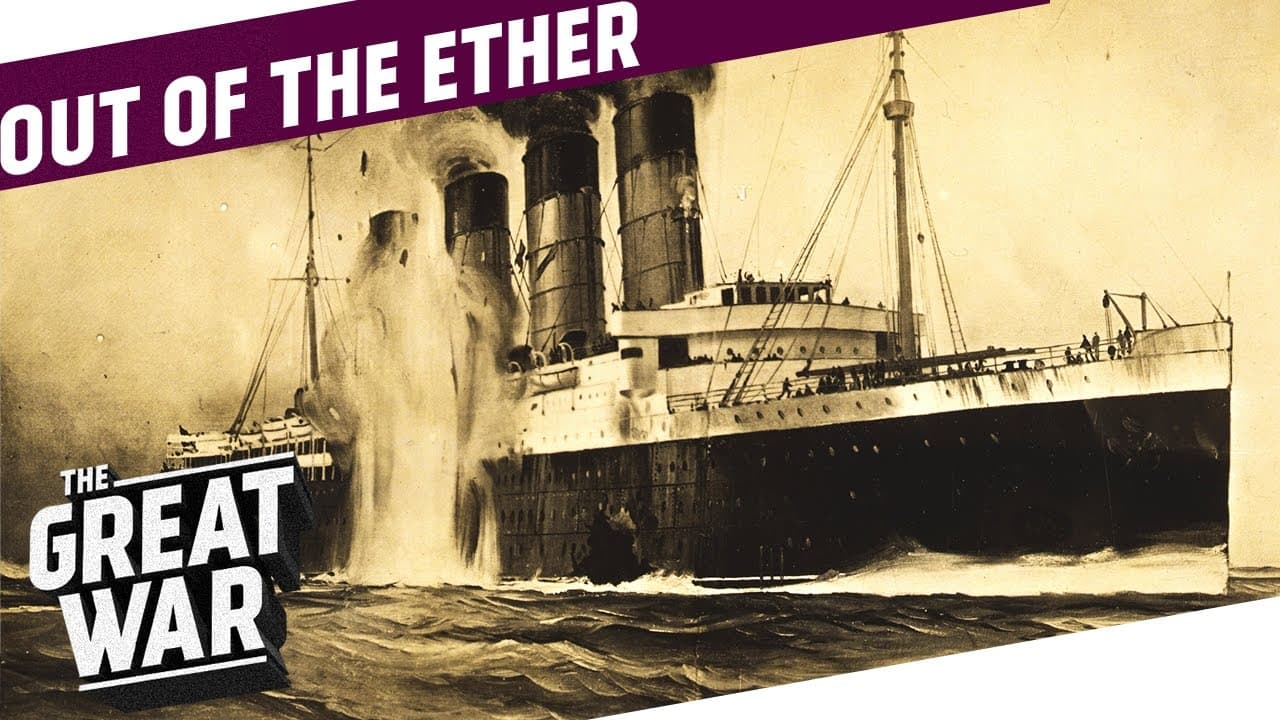
The Story of The Lusitania I OUT OF THE ETHER
TL;DR
Explores the complex circumstances surrounding the Lusitania sinking.
Transcript
I'm Indie nidel and this is another episode of out of The Ether where I sit here in my chair of wisdom and read your most interesting best perhaps most controversial comments so the rest of you can hear them David Bond his name is Bond David Bond writes there's a lot of fascinating information on the sinking of the Lucitania in Eric larsson's book ... Read More
Key Insights
- The British Admiralty had significant intelligence about German U-boat activities, particularly regarding the Lusitania's route, raising questions about its lack of naval protection.
- Churchill's condemnation of Captain Turner was relentless, despite a court finding no misconduct, suggesting a scapegoat strategy to deflect blame.
- The Lusitania sinking involved a chance mishap with fog and navigation errors, leading it directly into the path of U-20.
- The ship's sinking was caused by a single torpedo, which triggered a secondary explosion, contradicting expectations that more would be needed.
- Churchill's wartime communications hinted at a preference for increased transatlantic shipping, even at the risk of enemy attacks.
- There were allegations of weapons on board the Lusitania, with German spies sent to document this, complicating the narrative of the incident.
- The U-20 captain refrained from firing a second torpedo upon witnessing the chaos on the Lusitania, showing a more nuanced view of German actions.
- The incident is often oversimplified as a black-and-white atrocity, but it involves multiple layers of blame and motivations.
Install to Summarize YouTube Videos and Get Transcripts
Explore YouTube Video Summarizer or Get YouTube Transcript Extractor
Questions & Answers
Q: What role did British intelligence play in the Lusitania incident?
British intelligence had significant knowledge about German U-boat activities, particularly in the area where the Lusitania was traveling. Despite this, the ship was left unprotected, raising questions about the decisions made by the Admiralty and whether there was an intentional neglect in safeguarding such a high-value target.
Q: How was Captain Turner perceived after the sinking of the Lusitania?
Captain Turner was heavily criticized by Churchill, who accused him of negligence. However, a court found no evidence of misconduct on his part. This suggests that Turner was used as a scapegoat to deflect blame from higher authorities, such as Churchill and the Admiralty, who may have had ulterior motives.
Q: What were the circumstances leading to the Lusitania's sinking?
The Lusitania's navigation was hampered by fog, causing it to unknowingly sail into U-20's path. The ship was hit by a single torpedo, which caused a secondary explosion leading to its rapid sinking. This highlights a series of unfortunate events rather than a straightforward act of aggression.
Q: Was there evidence of weapons on the Lusitania?
There were allegations of weapons being on board the Lusitania, with German spies sent to investigate and document this. However, these spies were killed when the ship sank, leaving the claims unverified. This adds a layer of complexity to the narrative, suggesting the ship may have been a legitimate target.
Q: Did the Germans show any restraint during the attack?
Yes, the captain of U-20 decided against firing a second torpedo after witnessing the chaos on the Lusitania. This decision reflects a more nuanced perspective of the German actions, showing that they were not solely focused on maximizing destruction and were aware of the human cost involved.
Q: What was Churchill's stance on transatlantic shipping during the war?
Churchill advocated for increased transatlantic shipping, despite the risks posed by German U-boats. He suggested that any trouble encountered by these ships could be beneficial, indicating a strategic use of shipping incidents to sway public opinion and international involvement in the war.
Q: How does the video challenge the traditional narrative of the Lusitania sinking?
The video presents a more complex view of the incident, highlighting the multiple layers of blame and motivations involved. It challenges the oversimplified narrative of the Germans as one-dimensional villains and emphasizes the role of British authorities in the events leading to the tragedy.
Q: What does the video suggest about the need for further exploration of the Lusitania incident?
The video suggests that the Lusitania incident merits further exploration and a nuanced analysis. It calls for an impartial perspective piece to better understand the various factors and decisions that contributed to the tragedy, moving beyond the traditional black-and-white portrayal of the event.
Summary & Key Takeaways
-
The video discusses the complexities surrounding the sinking of the Lusitania, including British intelligence knowledge of U-boat activities and the lack of protection for the ship. It examines Churchill's role and possible motivations in condemning Captain Turner, despite a court finding no evidence of misconduct.
-
The circumstances of the Lusitania's sinking are analyzed, highlighting navigational errors due to fog that led the ship into the path of U-20. The sinking was caused by a single torpedo that triggered a secondary explosion, raising questions about the preparedness and response of those involved.
-
Allegations of a conspiracy involving Churchill and the British Admiralty are explored, alongside the presence of German spies on board investigating claims of weapons. The video challenges the simplified narrative of the incident, suggesting a more complex interplay of actions and motivations.
Read in Other Languages (beta)
Share This Summary 📚
Summarize YouTube Videos and Get Video Transcripts with 1-Click
Try YouTube Summary with ChatGPT & Claude or YouTube Transcript Generator
Explore More Summaries from The Great War 📚

Summarize YouTube Videos and Get Video Transcripts with 1-Click
Try YouTube Summary with ChatGPT & Claude or YouTube Transcript Generator