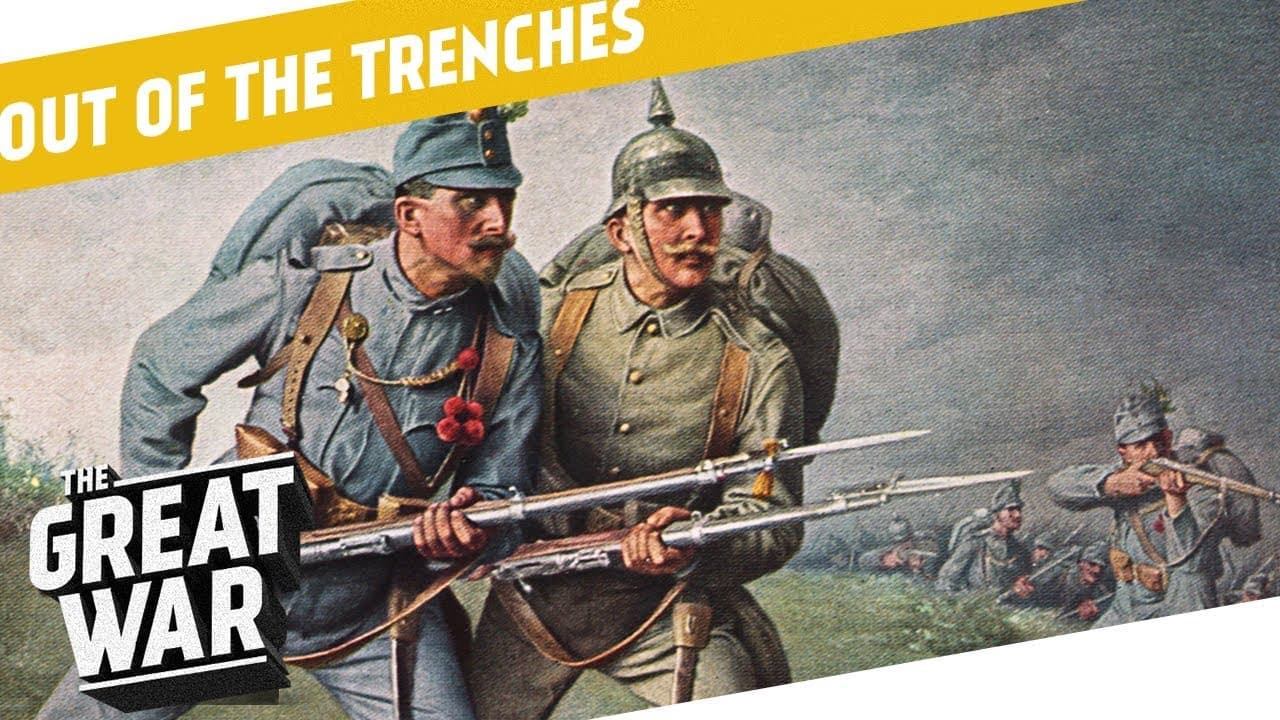
Mercenaries - War of the Pacific - Russian WW1 Remembrance I OUT OF THE TRENCHES
TL;DR
Discussion on mercenaries, War of the Pacific, and Russian WW1 graves.
Transcript
I'm indy Neidell And This is out of the trenches where i sit here in the Chair of wisdom and Answer all Your questions about the First World War Xavier Ignacio Tapia Bromberg Writes Hey Indy and crew one question. You've talked a lot about the Franco-Prussian war, even the American Civil was as "testbeds" for technology and tactics that would event... Read More
Key Insights
- The War of the Pacific involved Chile, Peru, and Bolivia, primarily over control of resources like sodium nitrate and guano.
- European observers dismissed the War of the Pacific as a lesson due to its small scale and outdated equipment.
- Mercenaries in WW1 were not common as the war emphasized national loyalty over private gain.
- Some troops like the German Askari in Africa were close to mercenaries, gaining social standing and wealth.
- Post-WWI saw a rise in mercenaries with groups like the Freikorps and the French Foreign Legion expanding.
- Russian WW1 casualties were immense, but commemoration efforts were hindered by the revolutions and Communist ideology.
- Tsar Nicholas initiated plans for war cemeteries and monuments, but these were halted by the Bolshevik regime.
- Modern Russia is experiencing a revival in recognizing and commemorating WW1 sacrifices.
Install to Summarize YouTube Videos and Get Transcripts
Explore YouTube Video Summarizer or Get YouTube Transcript Extractor
Questions & Answers
Q: What was the War of the Pacific about?
The War of the Pacific was primarily a conflict between Chile, Peru, and Bolivia over the control of valuable resources such as sodium nitrate and guano. It also involved territorial disputes in the Atacama Desert. The war saw modern equipment like breech-loading rifles and naval torpedoes, but was not considered a major lesson for European military observers due to its scale and outdated elements.
Q: Why were mercenaries uncommon in World War I?
Mercenaries were uncommon in World War I because the war emphasized national loyalty and patriotism over private gain. The conflict was largely seen as a national struggle, and foreign soldiers were often viewed as liabilities. While there were some troops from neutral countries, they were typically volunteers motivated by ideology rather than financial gain.
Q: Who were the closest to being mercenaries in WW1?
The closest to being mercenaries in World War I were the African auxiliaries, such as the German Askari. These troops were motivated by the opportunity to improve their social standing and economic situation. Serving European powers allowed them to gain wealth and status, which was not typical for other soldiers in the conflict.
Q: How did the post-WWI period affect mercenary activity?
The post-WWI period saw an increase in mercenary activity as various conflicts arose in Eastern Europe and Russia. Groups like the Freikorps in Germany and the French Foreign Legion expanded, and many soldiers from different nationalities participated in the Baltic Civil Wars and other regional conflicts. This period marked a resurgence in mercenary involvement due to the political instability following the war.
Q: What efforts did Tsar Nicholas make for WW1 commemoration?
Tsar Nicholas initiated efforts to commemorate Russian WW1 casualties by establishing official committees to build cemeteries and monuments. His plans included a national cemetery in Moscow and a Hall of Heroes in Saint Petersburg. However, these efforts were halted by the Bolshevik regime, which opposed the commemoration of the war as it did not align with Communist ideology.
Q: How did the Bolshevik regime view WW1 commemoration?
The Bolshevik regime viewed World War I commemoration negatively, as they considered the war an imperialistic conflict. Lenin decreed the destruction of Tsarist-era statues and memorials, and funding for cemeteries ceased. The focus shifted to the 1917 revolution and the Great Patriotic War, leaving WW1 largely unrecognized until recent times.
Q: What is the current status of WW1 commemoration in Russia?
Currently, Russia is experiencing a revival in World War I commemoration. Efforts are being made to reconnect with the Great War through the construction of new statues and monuments. This renewed interest reflects a broader historical recognition and an attempt to honor the sacrifices made during the war, which were previously overshadowed by other historical narratives.
Q: What role did European observers play in the War of the Pacific?
European observers accompanied the armies during the War of the Pacific, but they largely dismissed it as a lesson for European warfare. Despite the use of modern equipment, the war's small scale, reliance on outdated rifles, and regional specificities like class and race issues made it an unsuitable model for European military strategies. The observers did not find it relevant to the larger conflicts they anticipated in Europe.
Summary & Key Takeaways
-
The War of the Pacific was a conflict in South America over resource control, observed by Europeans but dismissed as a lesson due to its limited scale. Despite modern equipment, it was not seen as a model for European warfare.
-
Mercenaries were rare in WW1 due to the focus on national loyalty. Some troops, like African auxiliaries, benefited materially, but traditional mercenaries were scarce. Post-war, mercenary activity increased with groups like the Freikorps.
-
Russian WW1 casualties were initially commemorated under Tsar Nicholas, but the Bolshevik regime halted these efforts. Modern Russia is reviving interest in WW1 remembrance, building new monuments and acknowledging past sacrifices.
Read in Other Languages (beta)
Share This Summary 📚
Summarize YouTube Videos and Get Video Transcripts with 1-Click
Try YouTube Summary with ChatGPT & Claude or YouTube Transcript Generator
Explore More Summaries from The Great War 📚
Summarize YouTube Videos and Get Video Transcripts with 1-Click
Try YouTube Summary with ChatGPT & Claude or YouTube Transcript Generator