What'd You Miss in markets today? Here's your recap
TL;DR
Stocks retreated from highs as bonds rallied, reversing recent trends.
Transcript
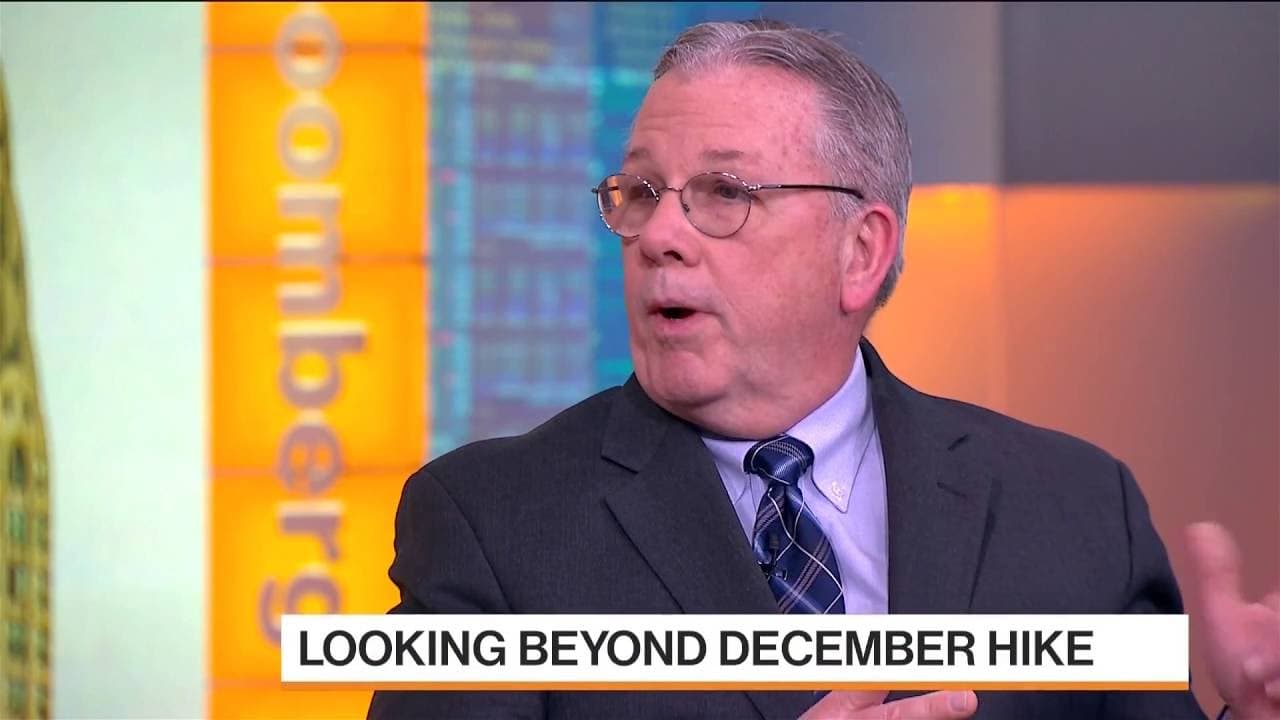
for the down the S&P it was a retreat from record high of Russell as well uh come inside the Bloomberg terminal here and you could see the IMAP that really highlights the sector breakdown here uh financials and energy the worst performers today down 1.4% for financials utilities and telecoms two of the better performing groups uh today they were al... Read More
Key Insights
- The S&P and Russell 2000 indices retreated from record highs, with financials and energy sectors performing the worst, while utilities and telecoms showed relative strength.
- The Russell 2000 ended a 15-day winning streak, the longest since 1996, indicating a significant shift in market momentum.
- US 10-year Treasury yields fell to 2.31%, reversing recent trends of rising yields, as investors shifted to bonds amidst equity sell-offs.
- German 10-year yields have declined to their lowest levels since the US election, reflecting political uncertainties in Europe, including risks from Italy, Austria, and France.
- The US dollar weakened against major currencies, with the yen gaining strength and the South African rand seeing a notable rise due to positive credit ratings and political developments.
- Oil prices experienced volatility as OPEC members struggled to finalize production cut agreements, highlighting geopolitical tensions and supply dynamics.
- Industrial metals like zinc and lead surged due to strong demand from China and constrained supply, while coffee prices fell sharply due to favorable weather in Brazil.
- Upcoming US economic data, including GDP, consumer confidence, manufacturing, and jobs report, could influence market expectations and the Federal Reserve's rate decisions.
Install to Summarize YouTube Videos and Get Transcripts
Explore YouTube Video Summarizer or Get YouTube Transcript Extractor
Questions & Answers
Q: What caused the S&P and Russell 2000 indices to retreat from record highs?
The retreat from record highs in the S&P and Russell 2000 indices was driven by poor performance in the financials and energy sectors, which declined by 1.4%. This pullback indicates a market correction after a prolonged rally, with investors reassessing risk and shifting focus to safer assets like utilities and telecoms.
Q: How did US Treasury yields respond to market conditions?
US Treasury yields, particularly the 10-year yield, fell to 2.31% as investors shifted towards bonds amidst an equity sell-off. This move represents a reversal from recent trends of rising yields, suggesting a classical risk-off environment where bonds benefit from equity market volatility and uncertainty.
Q: What factors influenced the performance of the US dollar?
The US dollar weakened against major currencies, with the yen gaining strength due to declining US Treasury yields. The South African rand also saw a significant rise, influenced by positive credit ratings from Fitch and Moody's, and political developments, including calls for President Jacob Zuma's resignation.
Q: What challenges is OPEC facing with its production cut agreements?
OPEC is struggling to finalize production cut agreements due to geopolitical tensions and differing interests among member countries. The ongoing attempt to save the OPEC deal, announced earlier this year, has led to oil price volatility, as markets remain hopeful yet uncertain about the outcome of these negotiations.
Q: What is driving the surge in industrial metal prices?
The surge in industrial metal prices, particularly zinc and lead, is driven by strong demand from China and constrained supply. The robust demand from China, coupled with limited supply, has resulted in significant price increases, highlighting the influence of global economic dynamics on commodity markets.
Q: How have coffee prices been affected by weather conditions?
Coffee prices have plunged due to favorable weather conditions in Brazil, which have led to a boom in coffee crop production. The increased supply has driven prices down, negatively impacting investors who were long on coffee, while benefiting consumers with lower coffee prices.
Q: What upcoming US economic data could impact market expectations?
Upcoming US economic data, including Q3 GDP, consumer confidence numbers, manufacturing PMI, and the jobs report, are crucial in shaping market expectations and the Federal Reserve's rate decisions. These data points provide insights into the strength of the US economy and potential monetary policy adjustments.
Q: What political risks are influencing European bond markets?
European bond markets are influenced by political risks, particularly in Germany and Italy. German 10-year yields have declined amidst uncertainties surrounding political developments in Italy, Austria, and France. These risks have prompted a flight to safety, leading to lower yields and increased demand for secure assets.
Summary & Key Takeaways
-
The S&P and Russell 2000 indices pulled back from record highs, with financials and energy sectors showing the weakest performance. Utilities and telecoms performed relatively well, benefiting from their role as bond proxies.
-
US Treasury yields fell as investors moved to bonds, reversing recent trends of rising yields. The decline in yields was also observed in German bonds amidst European political uncertainties.
-
The US dollar weakened against major currencies, with the yen and South African rand gaining notably. Oil prices remained volatile due to OPEC's struggle to finalize production cuts, while industrial metals surged on strong Chinese demand.
Read in Other Languages (beta)
Share This Summary 📚
Summarize YouTube Videos and Get Video Transcripts with 1-Click
Try YouTube Summary with ChatGPT & Claude or YouTube Transcript Generator
Explore More Summaries from Bloomberg Originals 📚





Summarize YouTube Videos and Get Video Transcripts with 1-Click
Try YouTube Summary with ChatGPT & Claude or YouTube Transcript Generator