How Fashion Megabrands Will Adapt to Post-Pandemic Life | The Business of Fashion Show
TL;DR
Luxury brands adapt to changing consumer behavior post-pandemic.
Transcript
The luxury industry is reinventing the way it connects with customers in a landscape forever altered by the pandemic. So, here we are in Paris, and one of the things I absolutely wanted to do was to understand how all of the time that people have spent at home has changed the way they shop in stores, and there's kind of no better place to do that t... Read More
Key Insights
- Luxury brands are adapting to a post-pandemic world by focusing on creating human connections with customers, despite the rise of digital interactions.
- The Chinese luxury market remains a significant driver of growth, with Chinese consumers becoming more accepting of local pricing and increasingly sophisticated in their preferences.
- Gen Z and younger demographics are becoming crucial to luxury brands, with their influence on family spending and preference for brands that align with their values.
- Chanel maintains its commitment to physical boutiques and live fashion shows, emphasizing the importance of in-person experiences over e-commerce for brand engagement.
- Kering's e-commerce revenue surged during the pandemic, highlighting the importance of digital sales channels while maintaining the need for human connection in luxury retail.
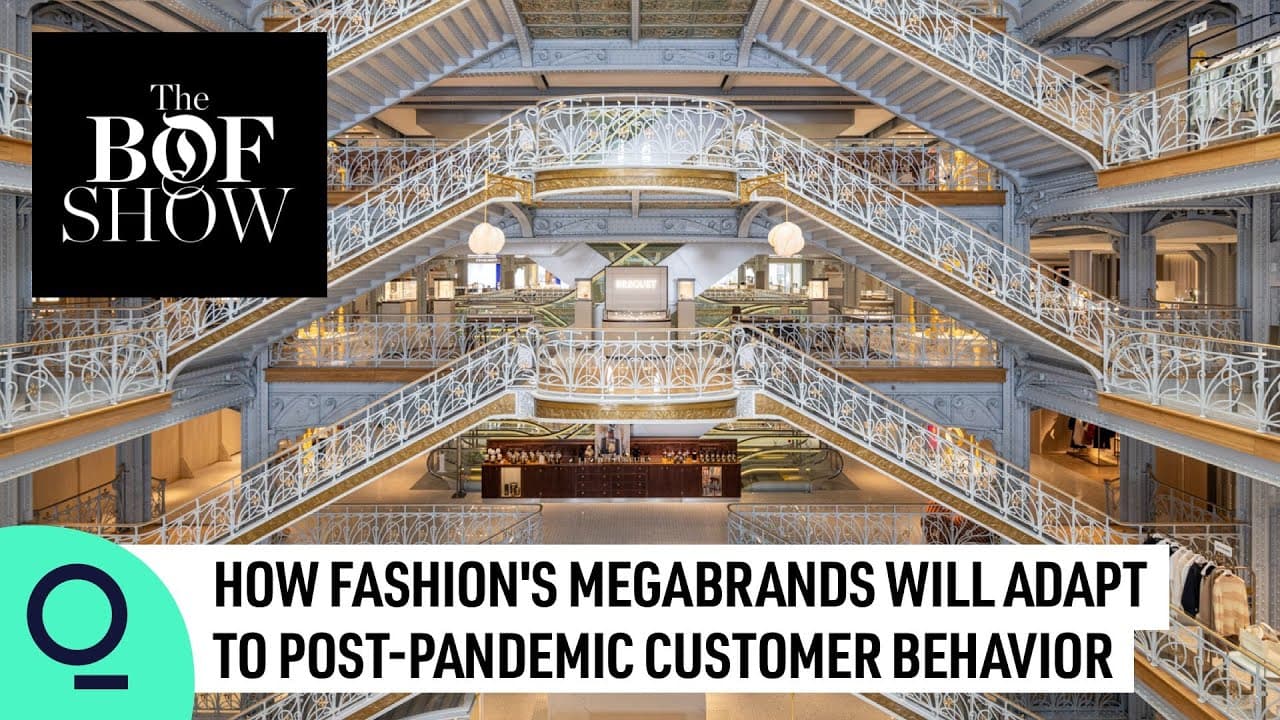
- La Samaritaine's reopening in Paris showcases a blend of international and smaller brands, aiming to attract local Parisians and eventually returning tourists.
- Luxury brands must adapt to the changing landscape by offering exclusive and limited-edition products to meet the evolving expectations of sophisticated consumers.
- The pandemic has accelerated the shift towards digital engagement, but luxury brands recognize the enduring importance of physical experiences and personal interactions.
Install to Summarize YouTube Videos and Get Transcripts
Explore YouTube Video Summarizer or Get YouTube Transcript Extractor
Questions & Answers
Q: How are luxury brands adapting to the post-pandemic world?
Luxury brands are focusing on creating human connections with customers despite the rise of digital interactions. They are adapting by offering exclusive products, aligning with younger consumers' values, and maintaining physical retail experiences to engage customers effectively.
Q: What role does the Chinese market play in the luxury industry?
The Chinese market is a significant growth driver for the luxury industry, with Chinese consumers becoming more accepting of local pricing and increasingly sophisticated in their preferences. They account for a substantial portion of global luxury spending, making them crucial for brands' strategies.
Q: How is Chanel maintaining its brand engagement strategy?
Chanel maintains its commitment to physical boutiques and live fashion shows, emphasizing the importance of in-person experiences over e-commerce. This approach allows Chanel to create a personal connection with customers and engage them through storytelling and exclusive events.
Q: What impact has the pandemic had on luxury brands' digital strategies?
The pandemic accelerated the shift towards digital engagement, with brands like Kering seeing a significant increase in e-commerce revenue. However, luxury brands still recognize the importance of maintaining human connections and personal interactions to enhance customer loyalty.
Q: How is La Samaritaine positioning itself in the luxury market?
La Samaritaine is positioning itself as a unique destination by offering a blend of international and smaller brands, aiming to attract local Parisians and eventually returning tourists. The store focuses on creating a dynamic and evolving shopping experience to keep customers engaged.
Q: What changes in consumer behavior are luxury brands observing post-pandemic?
Luxury brands are observing that consumers, especially younger ones, are seeking exclusive and limited-edition products. There is also a shift towards more digital engagement, but the importance of physical experiences and personal interactions remains crucial for maintaining brand loyalty.
Q: What is the significance of Gen Z in the luxury industry?
Gen Z is becoming increasingly important in the luxury industry due to their influence on family spending and preference for brands that align with their values. Luxury brands are adapting their strategies to capture this demographic by focusing on authenticity, sustainability, and digital engagement.
Q: How are luxury brands preparing for the return of global tourism?
Luxury brands are preparing for the return of global tourism by creating unique and exclusive experiences that cater to sophisticated consumers. They aim to offer differentiated products and maintain a strong brand presence in key shopping hubs to attract returning tourists.
Summary & Key Takeaways
-
Luxury fashion brands are navigating a post-pandemic landscape by focusing on human connections and adapting to changing consumer behaviors, particularly in the Chinese market.
-
The influence of Gen Z and younger consumers is reshaping the luxury industry, with brands needing to align with their values and preferences to capture this growing demographic.
-
Despite the rise of digital channels, luxury brands like Chanel and Kering emphasize the continued importance of physical retail and personal interactions in maintaining customer loyalty.
Read in Other Languages (beta)
Share This Summary 📚
Summarize YouTube Videos and Get Video Transcripts with 1-Click
Try YouTube Summary with ChatGPT & Claude or YouTube Transcript Generator
Explore More Summaries from Bloomberg Originals 📚






Summarize YouTube Videos and Get Video Transcripts with 1-Click
Try YouTube Summary with ChatGPT & Claude or YouTube Transcript Generator