What Are the Most Unusual Punishments Given by Judges?
TL;DR
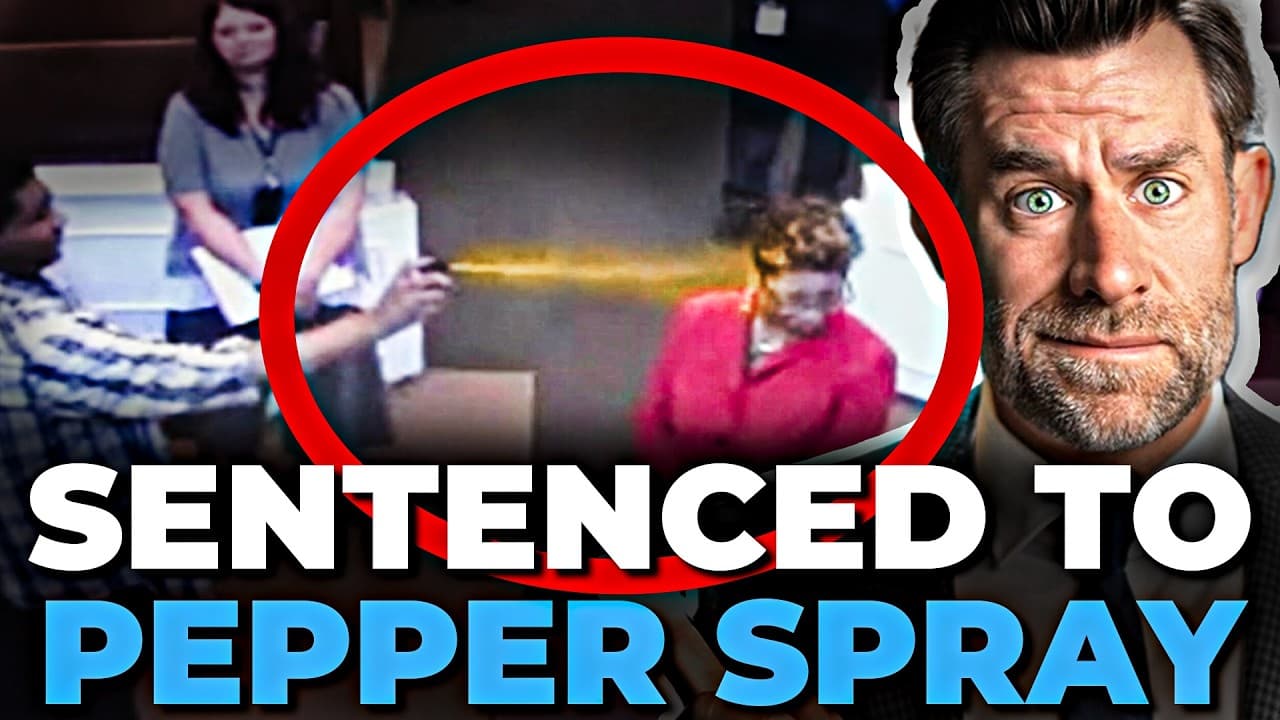
Judges in the U.S. have implemented creative and unconventional punishments, such as public shaming, mandatory marriage, and writing assignments, to fit crimes and reduce recidivism rates. While these sentences can sometimes lower reoffending rates, they raise constitutional concerns regarding cruel and unusual punishment and potential violations of religious freedoms.
Transcript
- Everyone knows a judge can sentence you to jail or give you a fine, (mellow music) but did you know that they have a ton of discretion to fashion a punishment to fit the crime? And much to Hester Prynne dismay, they could force you to wear a scarlet letter, force you to listen to Barry Manilow, or make you live in a terrible apartment. For exampl... Read More
Key Insights
- Judges like Michael Cicconetti use creative punishments, such as public shaming, to fit crimes, reducing recidivism to 10% in his court.
- Critics argue that such punishments can demean defendants and may not deter others, raising constitutional concerns under the 8th Amendment.
- Creative sentencing sometimes involves religious elements, as seen with Judge Mike Norman's church attendance mandate, sparking First Amendment debates.
- Banishment within state lines remains technically legal in Georgia, raising questions on constitutional interpretations of punishment boundaries.
- Public shaming, like wearing signboards, is upheld by courts if deemed related to rehabilitation, despite its controversial nature.
- Judges have imposed unconventional conditions like marriage or writing compliments, highlighting personal autonomy and First Amendment challenges.
- Alternative sentencing focuses on rehabilitation, aiming to address high recidivism rates and overcrowding in prisons.
- Legal challenges to creative sentences often face hurdles, as defendants and victims sometimes agree to unconventional terms to avoid harsher penalties.
Install to Summarize YouTube Videos and Get Transcripts
Explore YouTube Video Summarizer or Get YouTube Transcript Extractor
Questions & Answers
Q: What is the impact of Judge Cicconetti's creative sentencing?
Judge Cicconetti's creative sentencing has significantly reduced recidivism in his courtroom to 10%, compared to the national average of 75%. His approach involves offering offenders alternative punishments that relate to their crimes, such as public shaming or symbolic acts of restitution, which many defendants choose over traditional sentences.
Q: How do critics view creative sentencing?
Critics argue that creative sentencing can be demeaning to defendants and may not effectively deter future crimes. They raise concerns about the constitutionality of such punishments, particularly under the 8th Amendment, which prohibits cruel and unusual punishment, and question whether public shaming or forced actions violate individual rights.
Q: What constitutional issues arise from religious mandates in sentencing?
Religious mandates in sentencing, such as Judge Norman's requirement for church attendance, raise First Amendment concerns. The amendment protects individuals' freedom to practice or not practice religion, and compelling someone to attend religious services as part of a sentence can be seen as a violation of this right, leading to legal challenges and debates.
Q: Is banishment still a legal punishment?
Banishment remains a legal punishment in some forms, as seen in Georgia, where offenders can be restricted from all but one county within the state. This practice raises questions about constitutional interpretations, as the Georgia Constitution prohibits banishment beyond state limits, yet allows intrastate restrictions for rehabilitative or protective purposes.
Q: What role does public shaming play in creative sentencing?
Public shaming is a common element in creative sentencing, intended to make offenders face the community and understand the impact of their actions. While courts have upheld some public shaming sentences as rehabilitative, critics compare them to outdated practices like stocks and pillories, questioning their effectiveness and humanity.
Q: How do unconventional conditions like marriage impact defendants?
Unconventional conditions like forced marriage, as seen in Judge Rogers' court, challenge personal autonomy and raise legal concerns under the 14th Amendment, which protects the right to marry. Such conditions can be coercive, especially when defendants face jail time, leading to debates on their legality and ethical implications.
Q: Why do courts uphold creative sentences despite challenges?
Courts often uphold creative sentences if they are deemed to serve rehabilitative purposes and relate to the crime. Judges have broad discretion in sentencing, and unless a sentence is proven to violate constitutional rights directly, it may be considered a legitimate attempt to address issues like recidivism and overcrowded prisons.
Q: What are the broader implications of creative sentencing on the justice system?
Creative sentencing highlights the tension between traditional justice practices and innovative approaches aimed at rehabilitation. While such sentences can reduce recidivism and address systemic issues like overcrowding, they also raise significant constitutional and ethical questions, prompting ongoing debates about the balance between punishment, deterrence, and individual rights.
Summary & Key Takeaways
-
Judges across the U.S. employ creative sentencing, offering unconventional punishments to fit crimes, aiming to reduce recidivism and provide justice beyond traditional means. These include public shaming, religious mandates, and unique conditions like marriage or writing assignments.
-
Critics argue that such sentences can demean defendants and may not deter others, citing potential violations of constitutional rights, such as the 8th Amendment's prohibition against cruel and unusual punishment and the First Amendment's religious freedoms.
-
Despite legal challenges, creative sentencing persists, often upheld by courts if deemed rehabilitative. These practices highlight ongoing debates about the balance between punishment, deterrence, and constitutional rights within the justice system.
Read in Other Languages (beta)
Share This Summary 📚
Summarize YouTube Videos and Get Video Transcripts with 1-Click
Try YouTube Summary with ChatGPT & Claude or YouTube Transcript Generator
Explore More Summaries from LegalEagle 📚





Summarize YouTube Videos and Get Video Transcripts with 1-Click
Try YouTube Summary with ChatGPT & Claude or YouTube Transcript Generator