Liechtenstein, San Marino, Monaco and Andorra in WW1 - Live And Let Live I OUT OF THE TRENCHES
TL;DR
Exploration of microstates' roles and quiet sectors in WWI.
Transcript
Hi, I'm Batman and this is Out of the Trenches where I sit here in my Batcave and answer all your questions about the First World War or Batman. Tristan Reveur writes: "Could you tell us something about the smaller European states like Luxembourg, Liechtenstein, San Marino, Monaco, and Andorra? A few of them were at the war too, weren't they? What ... Read More
Key Insights
- Liechtenstein remained neutral during World War I despite economic ties to Austria-Hungary, leading to economic devastation post-war.
- San Marino declared neutrality, upsetting Italy, which suspected espionage, leading to diplomatic tensions and volunteer participation in the Italian Army.
- Monaco experienced political unrest but played no significant role in WWI, with France assuming its protection by treaty in 1918.
- Andorra declared war on Germany but did not engage in combat, remaining technically at war until 1958 due to exclusion from the Treaty of Versailles.
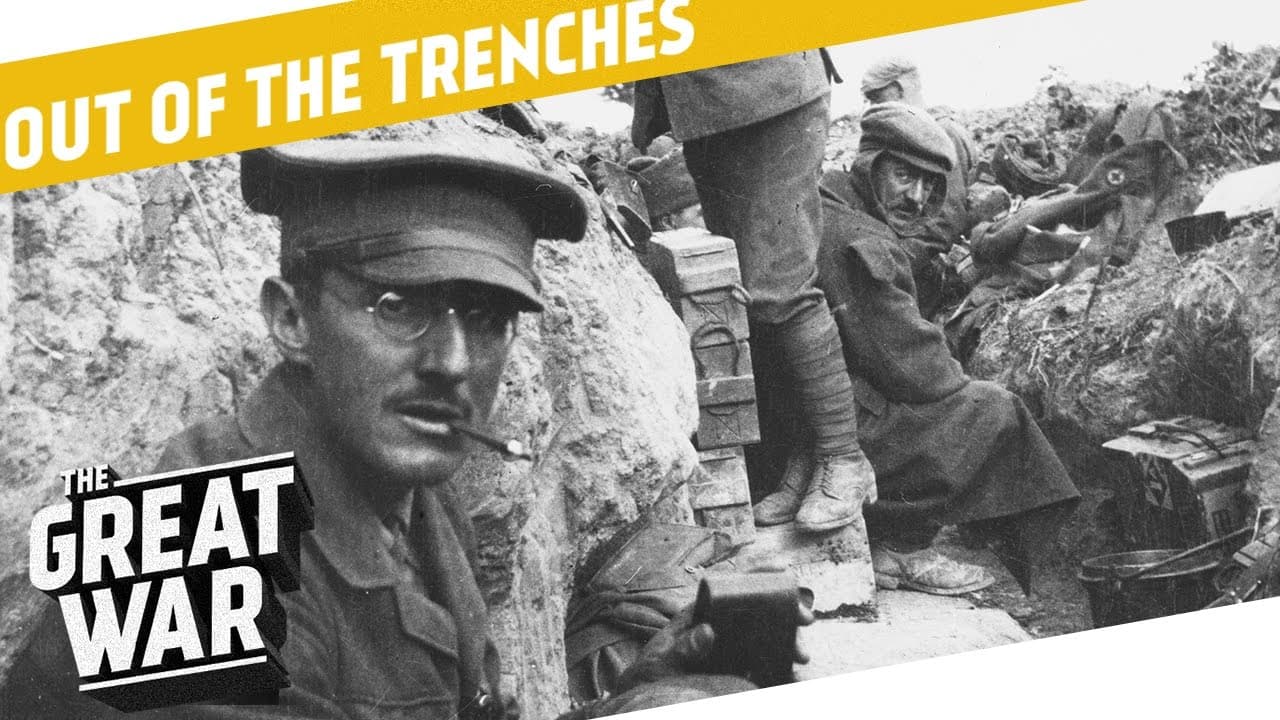
- Quiet sectors on the Western Front allowed for a 'live-and-let-live' attitude, where soldiers often refrained from firing on each other.
- In these quiet sectors, soldiers sometimes engaged in informal truces, enhancing their quality of life compared to more active battle zones.
- High command was wary of inactivity in quiet sectors, often ordering raids to maintain an offensive spirit among troops.
- The live-and-let-live policy was fragile and could be easily broken by acts of aggression, leading to increased animosity between opposing forces.
Install to Summarize YouTube Videos and Get Transcripts
Explore YouTube Video Summarizer or Get YouTube Transcript Extractor
Questions & Answers
Q: What was Liechtenstein's role during World War I?
Liechtenstein maintained a neutral stance during World War I, despite its economic ties to Austria-Hungary. The ruling prince had interests in the Habsburg Empire, but the country's neutrality, established since the Austro-Prussian War of 1866, was preserved. After Austria-Hungary's defeat, Liechtenstein suffered economically, leading to a customs union with Switzerland.
Q: How did San Marino's neutrality affect its relationship with Italy during the war?
San Marino's neutrality during World War I displeased Italy, which suspected the microstate of harboring Austro-Hungarian spies. This suspicion led Italy to attempt a forced occupation by cutting San Marino's telephone lines. Despite this, San Marino maintained its neutrality, with two groups of volunteers joining the Italian Army, one in combat and the other in a military hospital.
Q: What was Monaco's political situation during World War I?
Monaco experienced significant political unrest during World War I, following a revolution in 1910 that ended the absolute rule of its princes. Prince Albert I suspended the new constitution during the war. Despite the internal turmoil, Monaco played no real role in the conflict, and a treaty in July 1918 placed Monaco under France's protection.
Q: Why did Andorra remain technically at war with Germany until 1958?
Andorra declared war on Germany during World War I but did not participate in any fighting. This declaration was largely symbolic, and Andorra was not included in the Treaty of Versailles, which formally ended the war for most countries. As a result, Andorra remained technically at war with Germany until 1958, when the situation was finally resolved.
Q: What characterized the quiet sectors on the Western Front during World War I?
Quiet sectors on the Western Front were areas with minimal fighting, allowing soldiers to adopt a 'live-and-let-live' attitude. These sectors provided a respite from the intense battles elsewhere, with soldiers often refraining from firing on each other. This informal truce allowed for a better quality of life, with soldiers engaging in activities like reading and trench customization.
Q: How did high command respond to the inactivity in quiet sectors?
High command was concerned about the inactivity in quiet sectors, fearing it might diminish the offensive spirit among troops. To counter this, they ordered patrols and raids into enemy trenches, sometimes resulting in fabricated reports of raids. These actions were often unpopular among soldiers, who sometimes warned the enemy of impending artillery to avoid unnecessary casualties.
Q: What impact did the live-and-let-live policy have on soldiers' experiences?
The live-and-let-live policy allowed soldiers in quiet sectors to experience a relatively peaceful existence compared to those in active combat zones. Soldiers enjoyed a greater chance of survival and engaged in activities like reading or playing music. However, this fragile truce could be disrupted by acts of aggression, leading to increased animosity and a return to hostilities.
Q: How did interpersonal relationships between opposing troops affect the live-and-let-live policy?
Interpersonal relationships between opposing troops played a significant role in the success of the live-and-let-live policy. While some regiments, like the Germans and Scots, had animosities, others, such as the British and Saxons, got along better. These relationships influenced the extent to which informal truces were respected, although they could be easily broken by external factors.
Summary & Key Takeaways
-
The video explores the roles of European microstates like Liechtenstein, San Marino, Monaco, and Andorra during World War I, highlighting their neutrality and limited involvement. It also discusses the quieter sectors along the Western Front where soldiers often engaged in informal truces, enhancing their quality of life.
-
Liechtenstein's economic ties to Austria-Hungary led to post-war devastation despite its neutrality. San Marino faced diplomatic tensions with Italy due to suspected espionage, while Monaco experienced political unrest but remained uninvolved in the conflict. Andorra's war declaration on Germany was symbolic, lasting until 1958.
-
Quiet sectors on the Western Front allowed for a 'live-and-let-live' attitude, where soldiers often refrained from engaging in combat, focusing instead on survival and informal truces. However, these truces were fragile and could be disrupted by high command's orders for raids to maintain an offensive spirit.
Read in Other Languages (beta)
Share This Summary 📚
Summarize YouTube Videos and Get Video Transcripts with 1-Click
Try YouTube Summary with ChatGPT & Claude or YouTube Transcript Generator
Explore More Summaries from The Great War 📚
Summarize YouTube Videos and Get Video Transcripts with 1-Click
Try YouTube Summary with ChatGPT & Claude or YouTube Transcript Generator