How China Plans to Grade 1.3 Billion People
TL;DR
China plans to rate citizens based on behavior by 2020.
Transcript
China wants to grade its 1.3 billion people based on how good or bad of a citizen they've been critics of China's plan have pointed to the black mirror episode where everyone gets raided in their daily interactions you want to cookie with that on the house sounds awesome in China's version your acquaintances wouldn't grade you that would be done by... Read More
Key Insights
- China's Social Credit System aims to rate 1.3 billion people based on their behavior, with trials already underway in several cities.
- The system is intended to restore public trust amid corruption and financial scandals by rewarding good behavior and punishing bad behavior.
- Local trials cover 6% of the population, using government data to blacklist individuals from services like flights and train travel.
- Criteria for social credit scores vary by location, with activities like volunteering improving scores, while traffic violations can reduce them.
- A poor social credit score may result in restricted access to services, employment, and even housing, impacting daily life significantly.
- Technology, particularly Big Data, plays a crucial role in collecting and analyzing citizen data for the Social Credit System.
- The system has received mixed reactions domestically, with some urban elites supporting it, while international critics view it as a control mechanism.
- There is skepticism about China's ability to integrate diverse local systems into a cohesive national framework.
Install to Summarize YouTube Videos and Get Transcripts
Explore YouTube Video Summarizer or Get YouTube Transcript Extractor
Questions & Answers
Q: What is the purpose of China's Social Credit System?
The purpose of China's Social Credit System is to evaluate and rate citizens based on their behavior to promote trust and integrity in society. It aims to reward good behavior and penalize bad actions, thereby restoring public trust amid issues like corruption and financial scandals.
Q: How does the Social Credit System affect citizens?
The Social Credit System affects citizens by determining their access to various services and opportunities based on their behavior. A poor credit score can lead to restrictions on travel, employment, housing, and education, significantly impacting an individual's quality of life and social standing.
Q: What technologies are used in the Social Credit System?
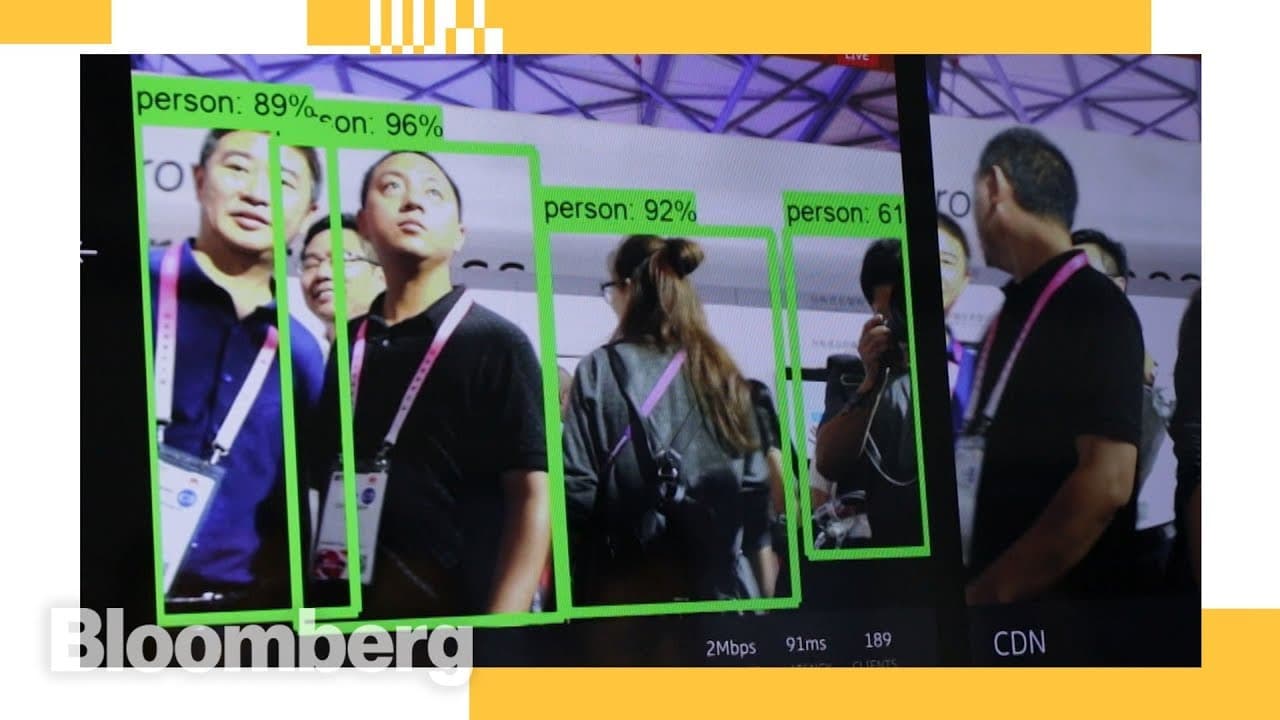
The Social Credit System utilizes technologies like Big Data to collect and analyze vast amounts of information on citizens. This data is used to monitor behaviors and assign credit scores. Facial recognition technology is also being considered to identify individuals violating rules, such as jaywalking.
Q: What are the criteria for determining social credit scores?
Criteria for determining social credit scores vary by location but generally include activities like volunteering, donating blood, and obeying traffic laws. Negative behaviors, such as violating traffic rules or not leashing dogs, can lower scores. The criteria aim to encourage pro-social behavior and discourage rule-breaking.
Q: How has the Social Credit System been received domestically?
Domestically, the Social Credit System has received mixed reactions. Some urban educated elites support it as a means to promote honesty and societal standards. However, others are concerned about privacy violations and the potential for excessive state control over individual lives.
Q: What are international concerns about the Social Credit System?
Internationally, there are concerns that the Social Credit System represents a sinister expansion of state control over citizens. Critics argue that it could lead to excessive surveillance and a loss of personal freedoms, as the state gains more power to influence and monitor individual behavior and thoughts.
Q: What challenges does China face in implementing the Social Credit System?
China faces challenges in integrating diverse local systems into a unified national framework. The complexity of collating and standardizing data from various regions, each with its own criteria and methods, poses significant logistical and technical hurdles that need to be overcome for a cohesive system.
Q: What impact could the Social Credit System have on foreigners in China?
Foreigners in China could also be affected by the Social Credit System, as their behavior may be subject to scrutiny. A poor credit score could result in denied or revoked visas and residence permits, limiting their ability to live and work in China and affecting their overall experience in the country.
Summary & Key Takeaways
-
China's Social Credit System aims to evaluate citizens based on their behavior, with the goal of creating a nationwide network by 2020. The system is designed to promote trust and honesty by rewarding positive actions and penalizing negative ones.
-
Trials for the Social Credit System are currently underway in various cities, covering approximately 6% of the population. The system uses government data to impose restrictions on individuals with low scores, affecting their access to services and opportunities.
-
The initiative has sparked mixed reactions, with some supporting the promotion of honesty, while others, particularly international observers, criticize it as an intrusive extension of state control over citizens' lives.
Read in Other Languages (beta)
Share This Summary 📚
Summarize YouTube Videos and Get Video Transcripts with 1-Click
Try YouTube Summary with ChatGPT & Claude or YouTube Transcript Generator
Explore More Summaries from Bloomberg Originals 📚






Summarize YouTube Videos and Get Video Transcripts with 1-Click
Try YouTube Summary with ChatGPT & Claude or YouTube Transcript Generator