What Are the Stories of Pele and the White Buffalo Calf Woman?
TL;DR
Pele, the Hawaiian fire goddess, embodies both creation and destruction, while the White Buffalo Calf Woman brings order and culture to the Buffalo Nation. Pele's story highlights themes of loyalty and regeneration, whereas the White Buffalo Calf Woman emphasizes harmony and the sacredness of life. Both stories illustrate the powerful influence of goddesses in mythology.
Transcript
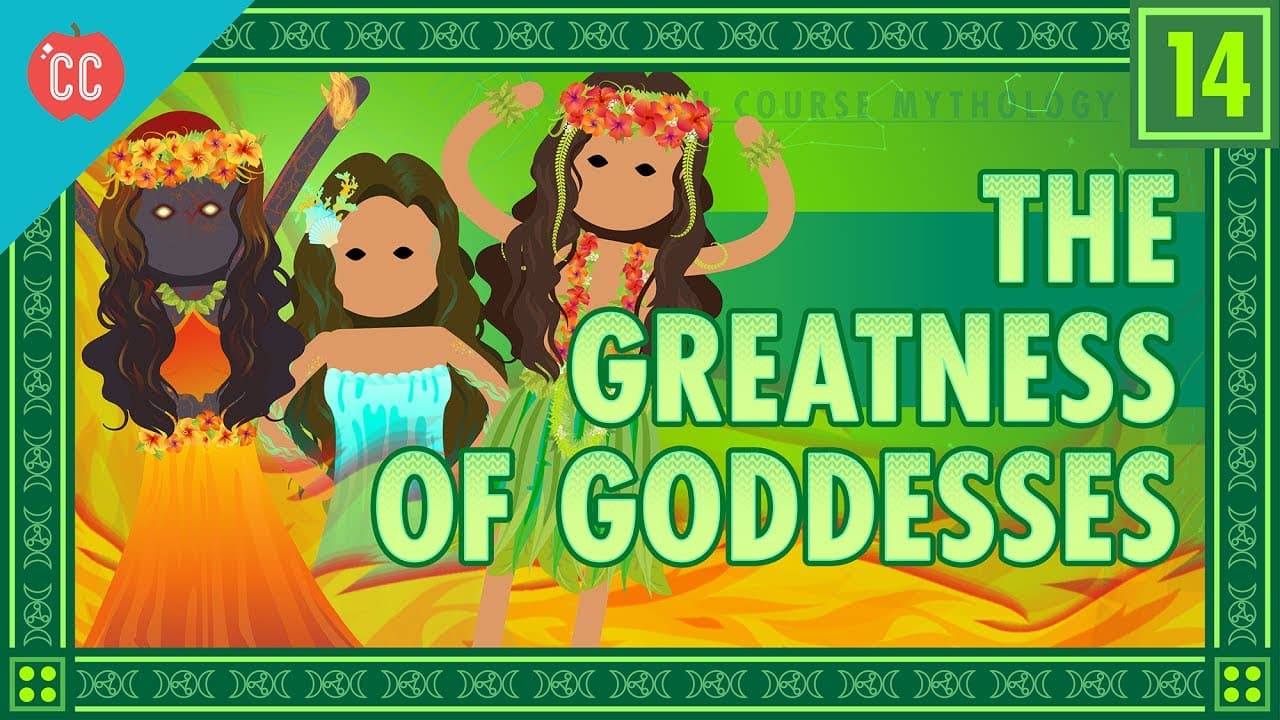
Aloha I'm Mike Rugnetta, and this is Crash Course Mythology and today we're going to continue looking at goddesses, and what makes them so great! In this episode we'll focus on two myths: one about a volcano goddess, and another about White Buffalo Calf Woman. We're going to look at these myths a bit more in-depth than we usually do, and head to pl... Read More
Key Insights
- Pele is a Hawaiian fire goddess known for her dual nature of creation and destruction.
- Pele exemplifies the 'Triple-Goddess' archetype, embodying life, death, and regeneration.
- Hi'iaka, Pele's sister, showcases loyalty and magic by reviving the prince Lohiau.
- The White Buffalo Calf Woman is a culture bringer to the Buffalo Nation, offering sacred gifts.
- The Chanunpa, or sacred pipe, symbolizes unity between the earth and sky, and between men and women.
- Pele's interactions with her sisters highlight themes of loyalty, promise-keeping, and the consequences of betrayal.
- The White Buffalo Calf Woman emphasizes the importance of consent and respect in interactions with the divine.
- Both stories illustrate how goddesses influence human behavior and societal order through their actions.
Install to Summarize YouTube Videos and Get Transcripts
Explore YouTube Video Summarizer or Get YouTube Transcript Extractor
Questions & Answers
Q: What is the story of Pele, the Hawaiian fire goddess?
Pele is a Hawaiian fire goddess who embodies both creation and destruction. Her story involves her sister Hi'iaka, who is tasked with reviving the prince Lohiau. Despite tensions and betrayal, Pele's actions highlight themes of loyalty, promise-keeping, and the regenerative power of nature. Ultimately, harmony is restored among the characters.
Q: Who is the White Buffalo Calf Woman in Native American mythology?
The White Buffalo Calf Woman is a culture bringer to the Buffalo Nation in Native American mythology. She provides sacred gifts, including the Chanunpa, or sacred pipe, which symbolizes unity between earth and sky, and between men and women. Her teachings emphasize harmony, respect, and the sacredness of life, shaping cultural practices and societal norms.
Q: How does the story of Pele illustrate themes of loyalty and betrayal?
Pele's story involves her sister Hi'iaka, who is sent to revive the prince Lohiau. Despite Hi'iaka's loyalty and efforts, Pele's destructive actions result in betrayal when she destroys the Lehua groves. This betrayal leads to tensions, but ultimately, the story resolves with themes of regeneration and restored harmony, highlighting the complex nature of loyalty and consequences.
Q: What is the significance of the Chanunpa in the story of the White Buffalo Calf Woman?
The Chanunpa, or sacred pipe, is a significant gift from the White Buffalo Calf Woman to the Buffalo Nation. It symbolizes the connection between the earth and sky, and between men and women, reinforcing the unity and harmony of all living things. The pipe serves as a tool for prayer and ceremonies, embodying the sacredness of life and cultural continuity.
Q: How do the stories of Pele and the White Buffalo Calf Woman compare?
Both stories feature powerful goddesses who influence human behavior and societal norms. Pele's story highlights themes of loyalty, betrayal, and regeneration, while the White Buffalo Calf Woman emphasizes harmony, respect, and cultural unity. Despite their different cultural contexts, both goddesses demonstrate the profound impact of divine figures in mythology, shaping moral and social values.
Q: What lessons can be learned from the story of Pele?
Pele's story teaches lessons about loyalty, the consequences of betrayal, and the regenerative power of nature. Her interactions with her sister Hi'iaka and the prince Lohiau highlight the importance of keeping promises and the complex nature of relationships. The story also illustrates how destructive actions can lead to renewal and restored harmony, offering insights into the cyclical nature of life.
Q: What role does the White Buffalo Calf Woman play in the Buffalo Nation's culture?
The White Buffalo Calf Woman plays a crucial role as a culture bringer to the Buffalo Nation. She introduces sacred gifts and practices, such as the Chanunpa, which symbolize unity and harmony. Her teachings emphasize respect, consent, and the sacredness of life, shaping the cultural and spiritual identity of the Buffalo Nation, and reinforcing the importance of living in harmony with the natural world.
Q: How do goddesses in mythology influence human behavior and societal norms?
Goddesses in mythology, such as Pele and the White Buffalo Calf Woman, influence human behavior and societal norms through their actions and teachings. They embody powerful forces of nature and cultural values, shaping moral and social frameworks. Their stories often highlight themes of loyalty, respect, and the consequences of actions, offering lessons on how to live harmoniously with others and the natural world.
Summary & Key Takeaways
-
Pele, the Hawaiian fire goddess, controls both creation and destruction through her volcanic powers. Her story with her sister Hi'iaka involves themes of loyalty, betrayal, and regeneration. Hi'iaka revives the prince Lohiau, leading to tensions with Pele, but ultimately, harmony is restored.
-
The White Buffalo Calf Woman brings sacred gifts and cultural practices to the Buffalo Nation, emphasizing unity and the sacredness of life. Her introduction of the Chanunpa, or sacred pipe, symbolizes the connection between earth and sky, and between men and women, reinforcing societal harmony.
-
Both goddesses, Pele and the White Buffalo Calf Woman, highlight the powerful influence of divine figures in mythology. Through their interactions with humans and other deities, they teach lessons about loyalty, respect, and the consequences of one's actions, shaping cultural and social norms.
Read in Other Languages (beta)
Share This Summary 📚
Summarize YouTube Videos and Get Video Transcripts with 1-Click
Try YouTube Summary with ChatGPT & Claude or YouTube Transcript Generator
Explore More Summaries from CrashCourse 📚






Summarize YouTube Videos and Get Video Transcripts with 1-Click
Try YouTube Summary with ChatGPT & Claude or YouTube Transcript Generator