What Was Japan's Role in World War 1?
TL;DR
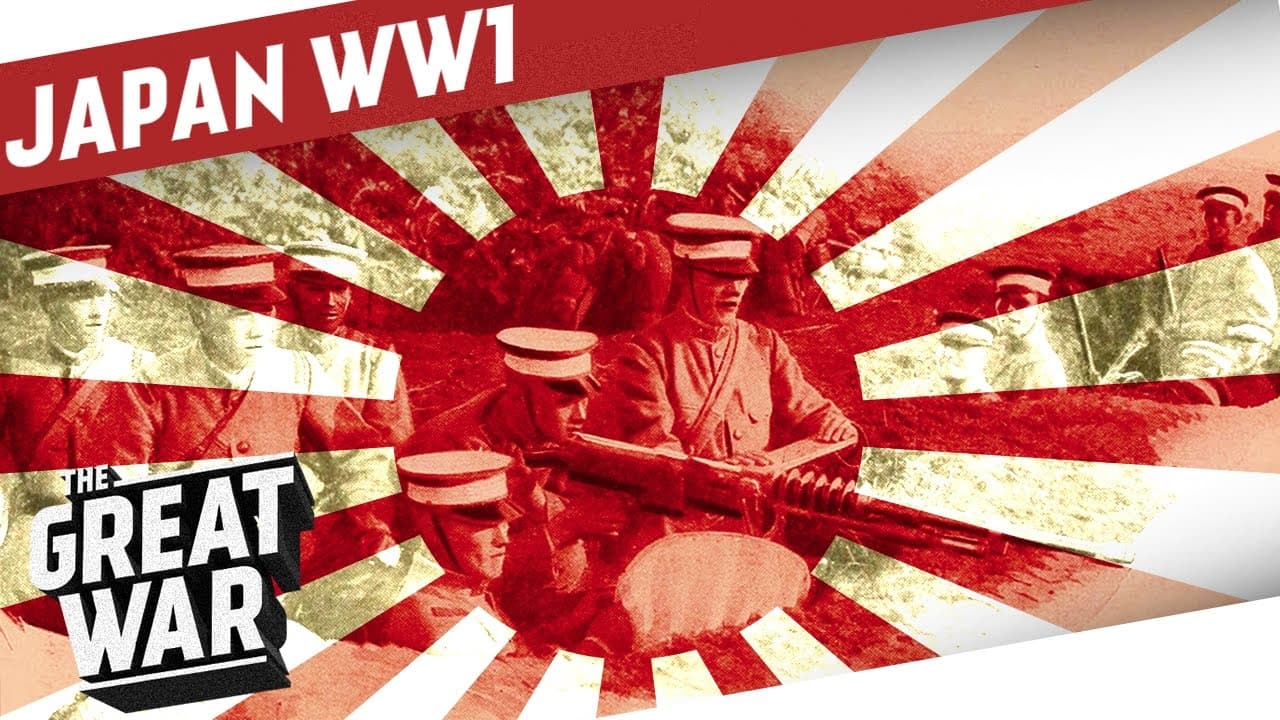
Japan's involvement in World War 1 marked a significant shift from isolation to becoming a global power. Japan joined the Entente, capturing German territories such as Tsingtao and providing naval support in the Pacific and Mediterranean. This participation led to increased influence in Asia and a seat at the Versailles peace negotiations, solidifying Japan's status as a major world power.
Transcript
It was far from Europe, and yet Japan still helped a lot with the global Allied war effort, but what was going on in japan itself? And what had been going on in the years leading up to the war? That’s what I’m going to talk about today. I’m Indy Neidell; welcome to a Great War special episode about Japan and the First World War. A Civil War in Japa... Read More
Key Insights
- Japan's modernization began with the Meiji Restoration, transitioning from a feudal to an industrial society.
- The Meiji constitution of 1889 established a government system that persisted until 1945, sharing sovereignty between the emperor and state organs.
- Japan's military expansion was driven by a desire to prevent foreign dominance, notably in Korea and mainland Asia.
- The Anglo-Japanese alliance of 1902 was a defensive pact against Russian ambitions in Asia.
- Japan's victory in the Russo-Japanese War (1904-05) established its military prowess and expanded its influence over Korea.
- During WW1, Japan captured German territories in the Pacific and supported the Allies with naval operations in the Mediterranean.
- Japan's 21 points aimed to secure commercial dominance in China during WW1, reflecting its imperial ambitions.
- WW1 catalyzed Japan's transformation into an industrialized nation, expanding its influence and creating a middle class.
Install to Summarize YouTube Videos and Get Transcripts
Explore YouTube Video Summarizer or Get YouTube Transcript Extractor
Questions & Answers
Q: How did Japan modernize before World War 1?
Japan's modernization began with the Meiji Restoration in 1868, transitioning from a feudal society to a centralized imperial state. The government abolished feudal domains, established a conscription system, and focused on industrialization. The Meiji constitution of 1889 created a parliamentary system, fostering political and economic reforms that paved the way for Japan's emergence as a modern nation.
Q: What was the significance of the Anglo-Japanese alliance?
The Anglo-Japanese alliance, signed in 1902, was significant as it marked Japan's first major international alliance, focusing on mutual defense against Russian expansion in Asia. This alliance provided Japan with diplomatic support and recognition from a Western power, strengthening its position in Asia and contributing to its victory in the Russo-Japanese War.
Q: How did Japan's military evolve during the Meiji era?
During the Meiji era, Japan's military evolved from samurai-dominated forces to a modern, centralized army and navy under imperial control. The Conscription Law of 1873 established mandatory military service, and reforms focused on industrialization and technological advancement. These changes enabled Japan to project power regionally, as evidenced by victories in the Sino-Japanese and Russo-Japanese wars.
Q: What role did Japan play in World War 1?
In World War 1, Japan joined the Entente and focused on capturing German territories in the Pacific, such as Tsingtao. The Japanese Navy played a crucial role in convoy protection and anti-submarine warfare in the Mediterranean. Japan's involvement expanded its influence in Asia and secured a position at the Versailles peace negotiations, enhancing its status as a world power.
Q: Why did Japan issue the 21 points to China during WW1?
Japan issued the 21 points to China in 1915 to assert commercial dominance and reinforce its influence in the region. The demands aimed to secure economic privileges and territorial concessions, reflecting Japan's imperial ambitions. Although moderate compared to other powers' plans, the 21 points were part of Japan's strategy to consolidate its position in China and Asia.
Q: How did Japan's victory in the Russo-Japanese War impact its status?
Japan's victory in the Russo-Japanese War (1904-05) significantly enhanced its international status by demonstrating its military capabilities against a major European power. The victory secured Japan's influence over Korea and Manchuria, increased its geopolitical standing, and marked its emergence as a formidable imperial power, paving the way for future territorial expansions and alliances.
Q: What was the impact of WW1 on Japan's society and economy?
World War 1 had a profound impact on Japan's society and economy, leading to a wartime economic boom that fostered industrial growth and the creation of a middle class. The war accelerated Japan's transformation into an urbanized, industrialized nation. It also spurred the development of modern labor movements and expanded Japan's imperial possessions and influence in Asia.
Q: How did Japan's involvement in WW1 influence its post-war position?
Japan's involvement in WW1 positioned it as a major world power, earning a seat at the Versailles peace negotiations as part of 'the big five'. The war expanded Japan's influence and territories in Asia, enhanced its naval capabilities, and solidified its status on the global stage. This newfound power and influence shaped Japan's strategic and diplomatic directions in the post-war era.
Summary & Key Takeaways
-
Japan's participation in WW1 marked a pivotal change from isolation to global influence. The Meiji Restoration laid the groundwork for modernization, leading to military and industrial growth. By joining the Entente, Japan captured German territories and provided naval support, gaining a seat at the Versailles peace negotiations and solidifying its status as a world power.
-
The Meiji constitution of 1889 established a government system that lasted until 1945, sharing sovereignty between the emperor and various state organs. Japan's military expansion aimed to prevent foreign dominance, particularly in Korea and mainland Asia, culminating in the Russo-Japanese War victory and the annexation of Korea.
-
During WW1, Japan captured German territories in the Pacific and supported the Allies with naval operations in the Mediterranean. The 21 points aimed to secure dominance in China, reflecting Japan's imperial ambitions. The war spurred Japan's transformation into an industrialized nation, expanding its influence and creating a middle class.
Read in Other Languages (beta)
Share This Summary 📚
Summarize YouTube Videos and Get Video Transcripts with 1-Click
Try YouTube Summary with ChatGPT & Claude or YouTube Transcript Generator
Explore More Summaries from The Great War 📚

Summarize YouTube Videos and Get Video Transcripts with 1-Click
Try YouTube Summary with ChatGPT & Claude or YouTube Transcript Generator