How Did Global Trade Influence Art History?
TL;DR
Global trade has profoundly influenced art by facilitating the exchange of materials and ideas across cultures. For example, the vibrant cochineal red dye from Central America became a European sensation, while the Silk Road enabled the spread of artistic motifs and techniques. These exchanges resulted in syncretism, where elements from different cultures blend to create new art forms.
Transcript
In 1520, Spanish conquistador Hernán Cortés gushed about the red textiles he came across in the so-called “new” world. He called the outfits given to him by Emperor Montezuma the Second so colorful and finely made “that in all the world there could be none like them.” But, he was wrong. About a lot of things, including the rareness of the red. ... Read More
Key Insights
- Cochineal insects were a major source of red dye, which became a valuable trade commodity in Europe.
- The Silk Road was a vast trade network that facilitated the exchange of goods and ideas across Asia.
- Syncretism is the blending of different cultural elements to create new artistic expressions.
- The Crusades led to a significant exchange of art and materials between the Middle East and Europe.
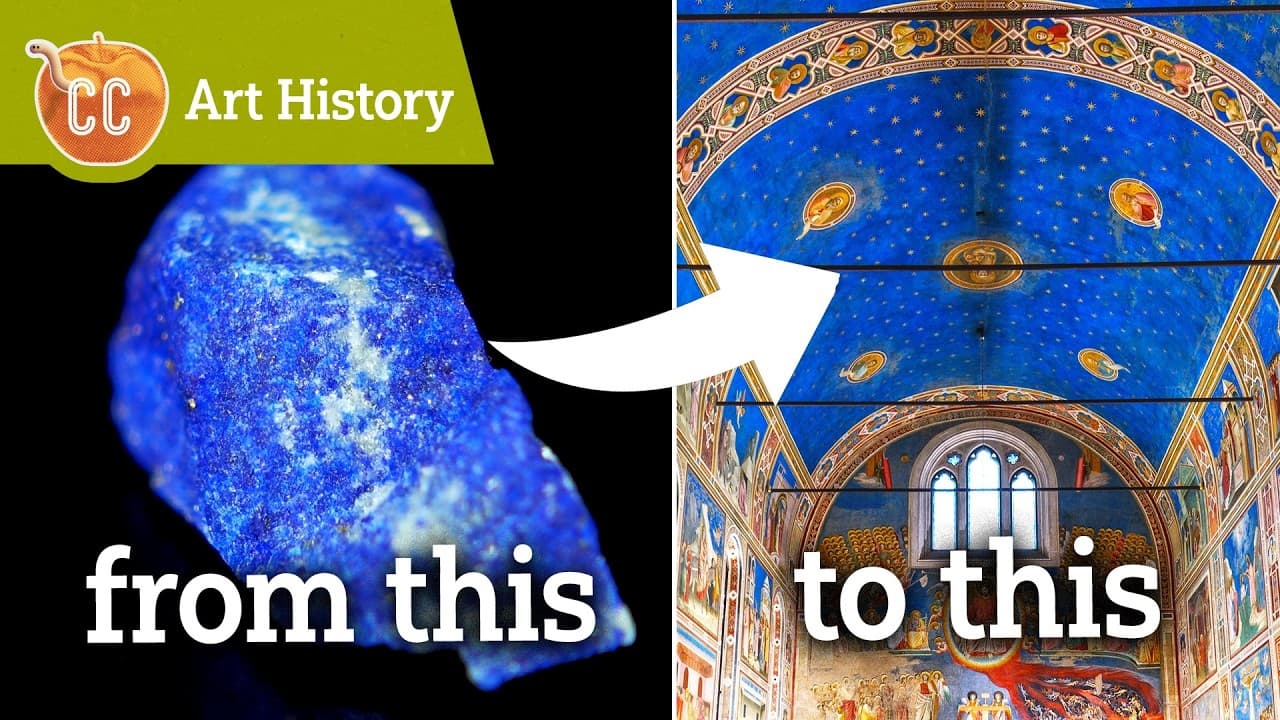
- Lapis lazuli, mined in Afghanistan, became a prized material in Europe for its ultramarine pigment.
- Buon fresco is a durable painting technique where pigments are applied to wet plaster.
- Trade networks allowed for the exchange of artistic motifs, such as the contrapposto pose from Greek art.
- Art reflects a multi-directional flow of influences, as seen in the blending of Greek, Indian, and Central Asian styles.
Install to Summarize YouTube Videos and Get Transcripts
Explore YouTube Video Summarizer or Get YouTube Transcript Extractor
Questions & Answers
Q: How did cochineal red dye become a global commodity?
Cochineal red dye, derived from cochineal insects native to Central America, became a global commodity due to its vibrant color and high value. When Spanish conquistadors discovered it, they introduced it to Europe, where it quickly became as valuable as silver. Its use spread rapidly in luxury textiles and artwork, making it a sought-after trade item.
Q: What role did the Silk Road play in art history?
The Silk Road was a crucial trade network that connected various cultures across Asia, facilitating the exchange of goods and cultural ideas. This led to syncretism in art, where elements from different cultures blended to create new artistic expressions. It allowed for the spread of motifs, techniques, and materials, influencing art across continents.
Q: What is syncretism in art?
Syncretism in art refers to the blending of elements from different cultures to create new artistic expressions. It occurs when cultural influences merge, resulting in artworks that incorporate diverse motifs, styles, and techniques. This phenomenon is evident in historical art, where Greek, Indian, and Central Asian styles, for example, combined to form unique creations.
Q: How did the Crusades influence European art?
The Crusades, despite being a period of conflict, facilitated a significant exchange of art and materials between the Middle East and Europe. European artists gained access to new materials like lapis lazuli, which was used to create the ultramarine pigment. This pigment became a symbol of wealth and status in European art, influencing artistic practices and aesthetics.
Q: What is the significance of lapis lazuli in art?
Lapis lazuli, a deep blue rock mined in Afghanistan, became highly prized in Europe for its ability to produce ultramarine pigment. This pigment was literally worth its weight in gold and was used in high-status artworks, such as Giotto's frescoes in the Arena Chapel. Its introduction during the Crusades marked a significant moment in the history of art materials.
Q: What is buon fresco painting?
Buon fresco is a painting technique where pigments are applied to wet plaster, allowing the materials to fuse together and become part of the structure. This method is known for its durability, as seen in Giotto's frescoes in the Arena Chapel, which have lasted over seven hundred years. It was a popular technique for large-scale wall paintings during the Renaissance.
Q: How did contrapposto influence art across cultures?
Contrapposto, a pose where a figure shifts its weight onto one leg, originated in Classical Greek art and influenced artists across cultures. It was adopted in Buddhist statues from Gandhara, demonstrating the cross-cultural exchange of artistic techniques. This pose became a symbol of relaxed elegance and was used to convey naturalism and dynamism in sculptures.
Q: How do trade networks influence artistic motifs?
Trade networks facilitate the exchange of artistic motifs by connecting diverse cultures and enabling the flow of ideas and materials. As goods and stories travel along these routes, artists adopt and adapt motifs from different regions, leading to the creation of artworks that reflect a blend of cultural influences. This results in a rich tapestry of artistic expression that transcends geographic boundaries.
Summary & Key Takeaways
-
Trade has historically influenced art by enabling the exchange of materials and ideas across cultures. Cochineal red dye from Central America became a European sensation, while the Silk Road spread artistic motifs and techniques. These exchanges resulted in syncretism, where elements from different cultures blend to create new art forms.
-
The Silk Road was not just a physical route but a network that facilitated the exchange of goods and cultural ideas. This led to syncretism in art, where elements from different cultures blended to create new artistic expressions, such as the use of contrapposto in Buddhist statues.
-
The Crusades, despite being a period of conflict, resulted in a significant exchange of art and materials between the Middle East and Europe. This included the introduction of lapis lazuli, which was used to create the ultramarine pigment, a symbol of wealth and status in European art.
Read in Other Languages (beta)
Share This Summary 📚
Summarize YouTube Videos and Get Video Transcripts with 1-Click
Try YouTube Summary with ChatGPT & Claude or YouTube Transcript Generator
Explore More Summaries from CrashCourse 📚






Summarize YouTube Videos and Get Video Transcripts with 1-Click
Try YouTube Summary with ChatGPT & Claude or YouTube Transcript Generator