Royal Marines - Anonymous Warfare - Latvian Riflemen I OUT OF THE TRENCHES
TL;DR
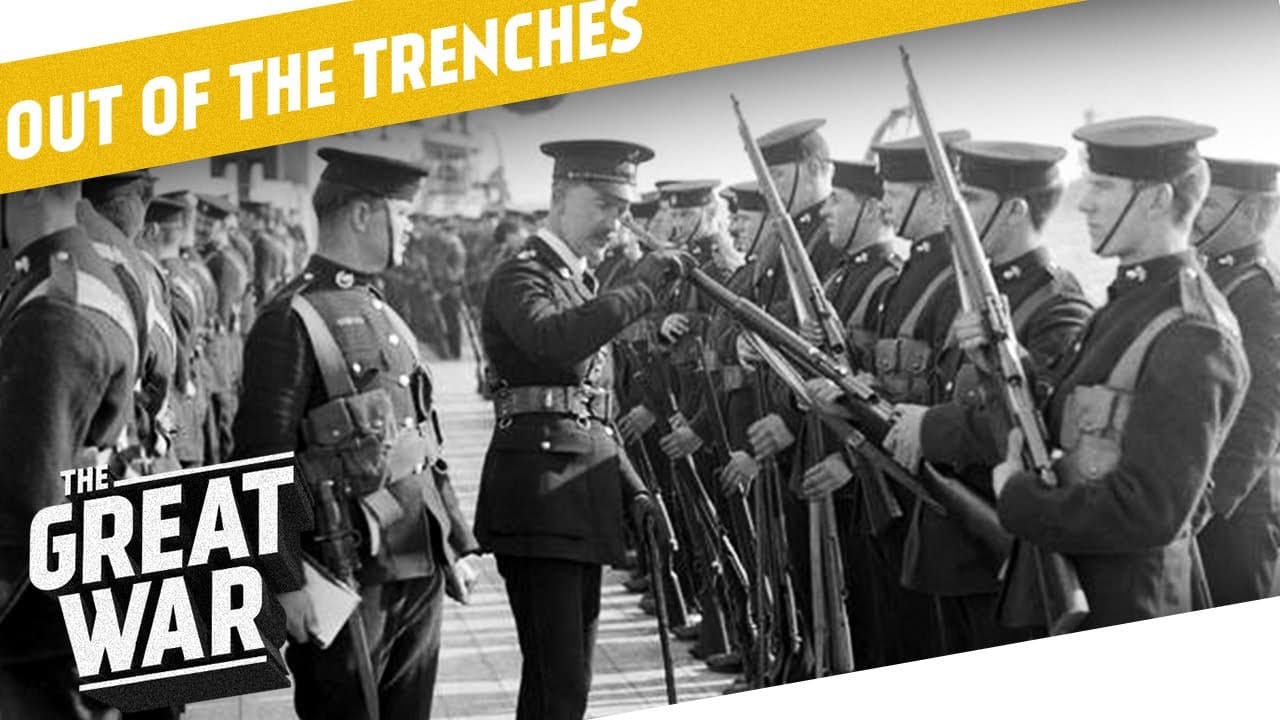
Exploration of Royal Marines' roles and other nations' Marines in WWI.
Transcript
hi I'm not Indi nadell and this is another exciting episode of out of the trenches where I sit here in the chair of wisdom to answer all of your questions about the first World War uh Dark Legacy writes uh for out of the trenches hey Indian team greetings from London I'm a huge fan of the show and I can tell everyone works very hard my great-grandf... Read More
Key Insights
- Royal Marines primarily served on Navy ships before WWI, transitioning to light infantry roles during the war.
- They played significant roles in amphibious warfare, notably at Gallipoli, aiding in establishing beachheads.
- The Royal Navy Division combined Marines and surplus Naval personnel, fighting alongside Belgian defenders.
- Marine forces existed in other nations, including France, Germany, and Russia, each with distinct roles.
- Most WWI deaths were caused by explosives and machine guns rather than individual combat, challenging media portrayals.
- Latvian Riflemen were key in defending their homeland and later joined Bolsheviks due to resentment against Russian officers.
- The Estonian Defense Forces and Lithuanian Rifleman's Union were established post-WWI, reflecting national independence movements.
- The multiethnic composition of troops in empires led to chaos and independence movements, influencing post-war dynamics.
Install to Summarize YouTube Videos and Get Transcripts
Explore YouTube Video Summarizer or Get YouTube Transcript Extractor
Questions & Answers
Q: What was the role of the Royal Marines in World War I?
The Royal Marines served primarily on Navy ships before WWI but transitioned to light infantry roles during the war. They were involved in amphibious warfare, most notably at Gallipoli, where they helped establish beachheads for regular infantry. Their expertise was crucial in consolidating positions before larger forces arrived.
Q: Did other nations have similar marine forces during WWI?
Yes, other nations like France, Germany, and Russia had marine forces during WWI. These forces played various roles, such as safeguarding beaches, defending strategic locations, and participating in smaller skirmishes. Each nation's marines had distinct responsibilities tailored to their military strategies and needs.
Q: How did the portrayal of soldiers in WWI evolve over time?
Initially, soldiers were seen as brave frontline fighters. However, by the 1970s, the narrative shifted to view them as tragic victims. This change reflected broader societal attitudes toward war and was influenced by historical analyses, such as John Keegan's work, which emphasized the soldiers' actual combat experiences.
Q: Who were the Latvian Riflemen, and what was their significance?
The Latvian Riflemen were a military unit defending the Latvian homeland during WWI. They were highly motivated, familiar with the territory, and skilled in winter camouflage. Their initial successes were followed by heavy casualties, leading to resentment against Russian officers. This discontent contributed to their later alignment with the Bolsheviks.
Q: What were the post-WWI developments in Baltic states' military forces?
After WWI, Baltic states like Estonia and Lithuania established their national defense forces. The Estonian Defense Forces were formed in 1918, while Lithuania created the Lithuanian Rifleman's Union in 1919. These developments were part of broader independence movements and reflected the region's desire for self-determination.
Q: How did the multiethnic composition of troops affect empires during WWI?
The multiethnic composition of troops in empires like Russia, Austria-Hungary, and Germany led to significant challenges. It fueled chaos and independence movements as various ethnic groups sought autonomy. This dynamic contributed to the empires' instability and influenced the post-war geopolitical landscape.
Q: What were the primary causes of soldier casualties in WWI?
Most WWI soldier casualties were caused by explosives and machine guns rather than individual combat. This reflects the impersonal and mechanized nature of the war, where long-range and automated weapons played a dominant role in the battlefield, challenging traditional combat narratives.
Q: How did the Royal Navy Division differ from standard army units?
The Royal Navy Division was unique, combining Royal Marines and surplus Naval personnel. They wore navy blue uniforms with khaki accents and were allowed to grow beards. Despite their army-like role, they received naval pay, which was lower than army pay, highlighting their distinct position between the Navy and Army.
Summary & Key Takeaways
-
The Royal Marines transitioned from naval roles to infantry positions during WWI, participating in key battles like Gallipoli. Their expertise in amphibious warfare was crucial in establishing beachheads for the regular infantry.
-
Other nations also fielded marine forces, with roles varying from safeguarding beaches to defending strategic locations. The war's high casualty rates were primarily due to explosives and machine guns, challenging traditional combat narratives.
-
Latvian Riflemen played a pivotal role in defending their territory and later joined Bolsheviks due to dissatisfaction with Russian leadership. Post-war, Baltic states formed national defense forces, reflecting broader independence movements.
Read in Other Languages (beta)
Share This Summary 📚
Summarize YouTube Videos and Get Video Transcripts with 1-Click
Try YouTube Summary with ChatGPT & Claude or YouTube Transcript Generator
Explore More Summaries from The Great War 📚
Summarize YouTube Videos and Get Video Transcripts with 1-Click
Try YouTube Summary with ChatGPT & Claude or YouTube Transcript Generator