WW1 Trucks and Logistics I THE GREAT WAR On The Road
TL;DR
Exploration of WW1 logistics and the crucial role of trucks.
Transcript
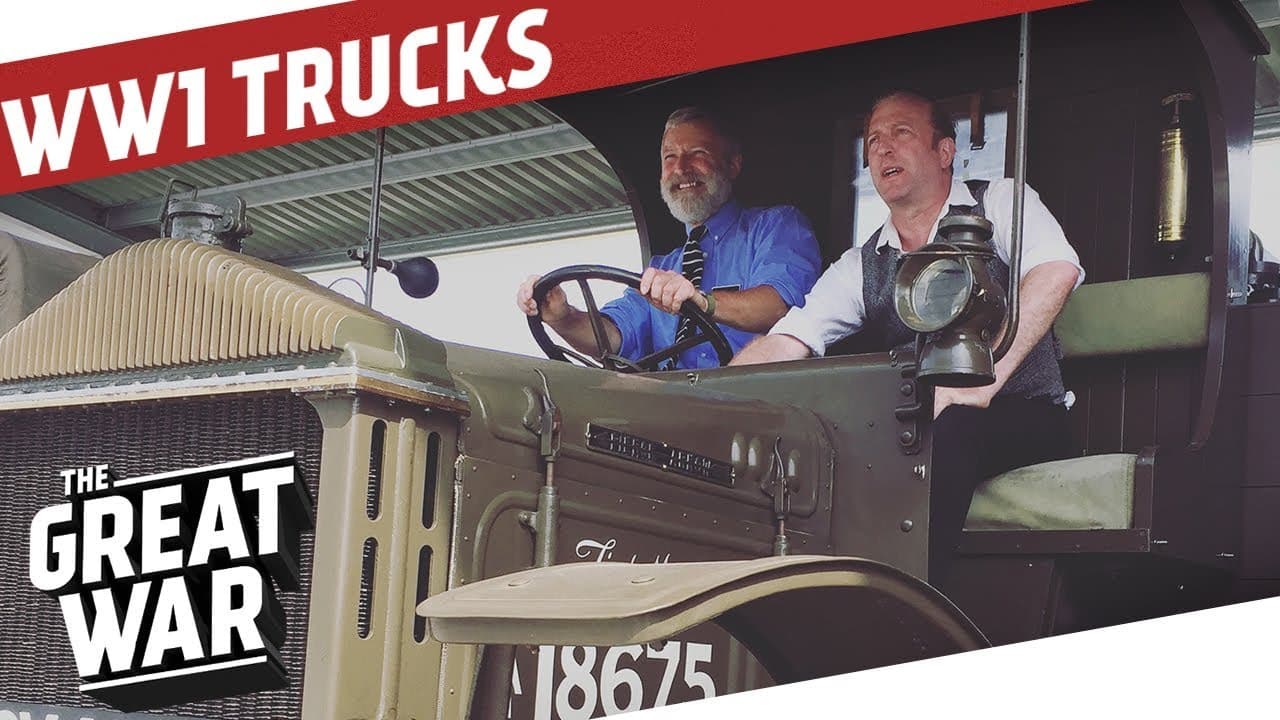
i'm indy neidell and this is going to be a somewhat unusual episode of the great war on the road now you might guess from the company I'm keeping that I am at the Tank Museum Bovington and I am or we've shot a bunch of tank things with David Willy who is the curator there but today well I'm not sitting in a tank and today we're gonna talk about som... Read More
Key Insights
- Logistics in WW1 were crucial, involving complex systems to supply armies, including railways, motorized vehicles, and horse transport.
- The British government standardized vehicle controls pre-WW1 to ensure soldiers could drive any commandeered truck easily.
- Light railways were pivotal in transporting supplies close to the front lines, with Britain eventually laying 2,000 miles of narrow-gauge tracks.
- Motorized transport, including trucks and buses, became increasingly essential, supplementing traditional horse-drawn logistics.
- The British Army utilized around 1,000 London buses for military transport in WW1, showcasing the shift towards motorized logistics.
- American vehicles, such as Holt tractors, were imported to support the British military, highlighting international cooperation.
- Mobile artillery on trucks enhanced battlefield mobility and adaptability, countering enemy artillery with rapid repositioning.
- WW1 logistics highlighted the importance of oil, as mechanization demanded fuel for vehicles, ships, and emerging technologies.
Install to Summarize YouTube Videos and Get Transcripts
Explore YouTube Video Summarizer or Get YouTube Transcript Extractor
Questions & Answers
Q: How did logistics play a crucial role in WW1?
Logistics were vital in WW1 for maintaining army supplies, involving complex systems like railways, motorized vehicles, and horse transport. By 1918, supplying one division required 1,000 tons of supplies daily, highlighting the scale and importance of logistics in sustaining military operations.
Q: What was the British government's role in vehicle standardization before WW1?
Before WW1, the British government standardized vehicle controls to ensure soldiers could easily operate commandeered trucks. This involved setting the pedal order to accelerator, clutch, and brake, facilitating quick adaptation by soldiers to different vehicles and improving logistical efficiency.
Q: What role did light railways play in WW1 logistics?
Light railways were pivotal in transporting supplies close to the front lines, with Britain laying 2,000 miles of narrow-gauge tracks. These railways extended the reach of main rail lines, enabling efficient supply delivery while avoiding artillery range, thus supporting frontline operations effectively.
Q: How did motorized transport impact WW1 logistics?
Motorized transport, including trucks and buses, became essential in WW1, supplementing traditional horse-drawn logistics. The British Army used around 1,000 London buses for military transport, demonstrating a significant shift towards motorization, which enhanced supply chain efficiency and battlefield mobility.
Q: What was the significance of American vehicles in British WW1 logistics?
American vehicles, such as Holt tractors, were crucial in supporting British logistics during WW1. These vehicles were imported to meet the growing demands of the military, showcasing international cooperation and the importance of diverse resources in sustaining wartime logistics and operations.
Q: How did mobile artillery on trucks change WW1 warfare?
Mobile artillery on trucks enhanced battlefield mobility and adaptability, countering enemy artillery through rapid repositioning. This mobility made artillery less vulnerable to counterbattery fire and allowed for flexible, strategic deployment, significantly impacting the dynamics of warfare during WW1.
Q: What role did oil play in WW1 logistics?
Oil was crucial in WW1 logistics as mechanization demanded fuel for vehicles, ships, and emerging technologies. Despite the prevalence of horses, the need for oil highlighted the transition to mechanized warfare and underscored the strategic importance of securing oil resources during the war.
Q: What challenges did Germany face in WW1 logistics?
Germany faced significant logistical challenges in WW1, including shortages of raw materials like rubber, food, and leather. These shortages impacted both military and civilian supply chains, contributing to the eventual weakening of Germany's war effort and highlighting the critical role of logistics in wartime sustainability.
Summary & Key Takeaways
-
Indy Neidell and David Willey discuss the often-overlooked logistics of WW1, focusing on the crucial role of trucks and transport systems. They explore how armies were supplied and the innovations in transportation that supported military operations.
-
The episode highlights the British government's foresight in standardizing vehicle controls and the extensive use of light railways and motorized transport to maintain supply lines. The discussion underscores the logistical challenges and innovations during WW1.
-
The conversation reveals the international dimension of WW1 logistics, with Britain importing American vehicles and utilizing mobile artillery to enhance battlefield mobility. The episode emphasizes the critical role of logistics in sustaining military efforts during the war.
Read in Other Languages (beta)
Share This Summary 📚
Summarize YouTube Videos and Get Video Transcripts with 1-Click
Try YouTube Summary with ChatGPT & Claude or YouTube Transcript Generator
Explore More Summaries from The Great War 📚

Summarize YouTube Videos and Get Video Transcripts with 1-Click
Try YouTube Summary with ChatGPT & Claude or YouTube Transcript Generator