What Impact Did Franz Joseph's Death Have on WWI?
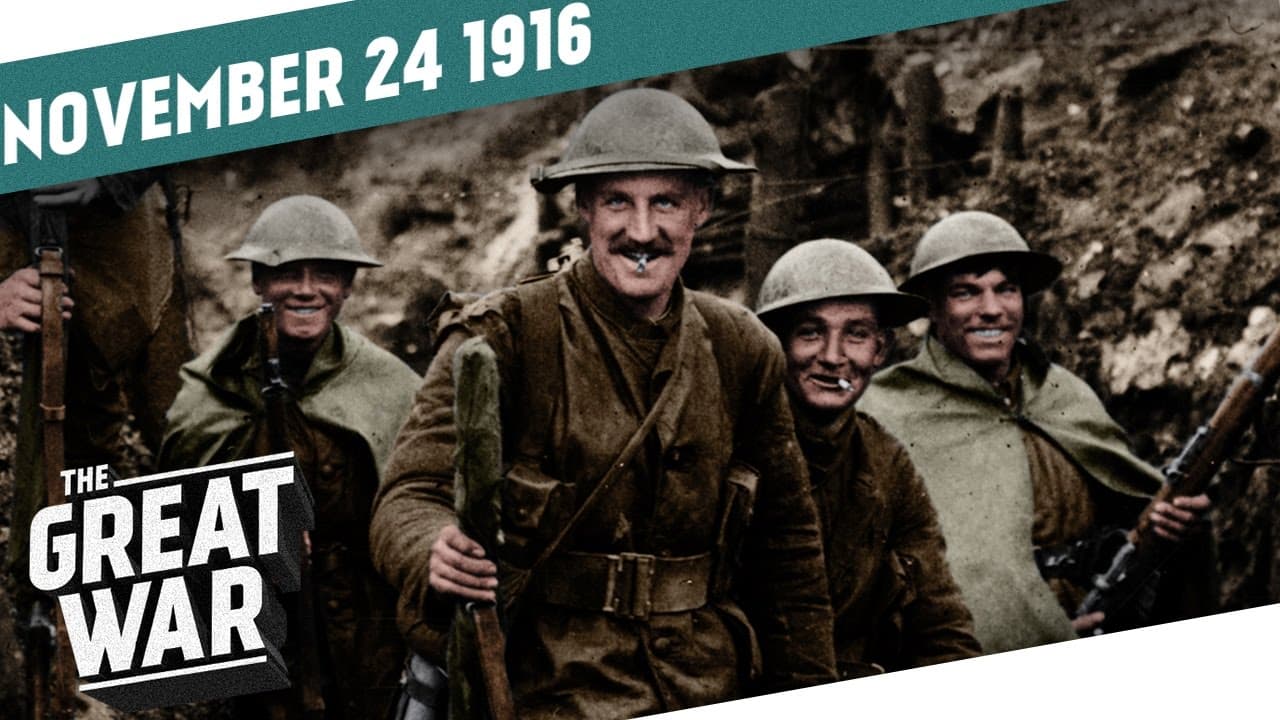
TL;DR
Franz Joseph's death marked a significant turning point during World War I. As the Austro-Hungarian Emperor, his reign saw the declaration of war on Serbia, which escalated into the global conflict. His passing and the succession of Archduke Karl introduced new dynamics, as Karl was known for his anti-war stance, potentially influencing the empire's military strategies.
Transcript
Austro-Hungarian Emperor Franz Josef has been on the imperial throne for a long time. In fact, among European monarchs in history, only Louis XIV had a longer reign. Franz Josef came to power in 1848, and was pretty young at the time, having been born in 1830 and he has seen enormous changes in European culture, society, and industry. It was he at ... Read More
Key Insights
- Franz Joseph reigned from 1848 to 1916, witnessing vast changes in Europe.
- His declaration of war on Serbia in 1914 escalated into World War I.
- Franz Joseph's death in 1916 was a shock to the Austro-Hungarian Empire.
- Archduke Karl, his successor, was anti-war, influencing future policies.
- The Battle of the Somme ended with over a million total casualties.
- The Battle of Verdun also contributed significantly to the war's death toll.
- The Central Powers advanced in Romania, capturing key territories.
- The Allies gained ground in the Balkans, taking Monastir from the Germans.
Install to Summarize YouTube Videos and Get Transcripts
Explore YouTube Video Summarizer or Get YouTube Transcript Extractor
Questions & Answers
Q: What was the significance of Franz Joseph's death during WWI?
Franz Joseph's death was significant as it marked the end of an era for the Austro-Hungarian Empire. His reign saw the empire's entry into World War I following his declaration of war on Serbia. His passing introduced Archduke Karl, who had different views, particularly being anti-war, potentially influencing the empire's future military and diplomatic strategies.
Q: How did the Battle of the Somme impact World War I?
The Battle of the Somme was one of the bloodiest battles in World War I, with over a million total casualties. It highlighted the brutal nature of trench warfare and the devastating impact of modern weaponry. The battle's end marked a shift in military strategies as both sides prepared for new offensives in 1917, learning from the costly lessons of the Somme.
Q: What changes occurred in the Austro-Hungarian Empire after Franz Joseph's death?
After Franz Joseph's death, Archduke Karl ascended to the throne. Known for his anti-war stance, Karl's leadership introduced potential changes in the empire's approach to the war. His views contrasted with the previous aggressive policies, possibly leading to shifts in military strategies and diplomatic efforts within the Austro-Hungarian Empire.
Q: What were the outcomes of the Battle of Verdun?
The Battle of Verdun resulted in significant casualties, with estimates of over 600,000 total by the end of 1916. It was one of the longest and most grueling battles of World War I, symbolizing the devastating impact of prolonged trench warfare. The battle's high death toll and strategic importance underscored the intense struggle between French and German forces.
Q: How did the Central Powers advance in Romania during WWI?
The Central Powers, led by German and Austro-Hungarian forces, made significant advances in Romania by late 1916. They captured key territories, including Craiova, and moved towards Bucharest. These advances were facilitated by strategic military maneuvers and the challenging winter conditions, which the Central Powers navigated effectively to gain an upper hand in the region.
Q: What was the significance of the Allies capturing Monastir?
The capture of Monastir by the Allies was a strategic victory in the Balkans. It demonstrated the effectiveness of the combined forces of French, Serbian, and Russian troops. The victory disrupted German and Bulgarian control in the region, boosting Allied morale and providing a critical foothold for further operations in the Balkans during World War I.
Q: Who was Archduke Karl and what were his views on the war?
Archduke Karl was the successor to Emperor Franz Joseph in the Austro-Hungarian Empire. Known for his anti-war stance, Karl's views were a departure from the aggressive policies of his predecessor. His leadership introduced the possibility of a more diplomatic approach to conflicts, potentially altering the empire's military engagements and strategies during World War I.
Q: What role did machine guns play in World War I?
Machine guns played a crucial role in World War I, contributing significantly to the high casualty rates. Their rapid-fire capability made them effective defensive weapons, particularly in trench warfare. The widespread use of machine guns led to devastating losses on both sides, exemplified by battles like the Somme and Verdun, where they were responsible for a large number of deaths.
Summary & Key Takeaways
-
Franz Joseph's death marked a pivotal moment in World War I. His long reign saw the Austro-Hungarian Empire's involvement in the war, beginning with the declaration against Serbia. His successor, Archduke Karl, was known for his anti-war views, potentially altering the empire's future military engagements.
-
The Battle of the Somme concluded with significant casualties on both sides, highlighting the war's brutality. The British and French forces suffered over 146,000 deaths, while German casualties were estimated at over 164,000. The battle's end signaled a shift in strategies for the coming year.
-
In Romania, the Central Powers made significant advances, capturing Craiova and moving towards Bucharest. Meanwhile, in the Balkans, the Allies captured Monastir, marking a strategic victory. These movements reflected the ongoing shifts in power during this stage of the war.
Read in Other Languages (beta)
Share This Summary 📚
Summarize YouTube Videos and Get Video Transcripts with 1-Click
Try YouTube Summary with ChatGPT & Claude or YouTube Transcript Generator
Explore More Summaries from The Great War 📚
Summarize YouTube Videos and Get Video Transcripts with 1-Click
Try YouTube Summary with ChatGPT & Claude or YouTube Transcript Generator