What Happened in Transcaucasia During WW1?
TL;DR
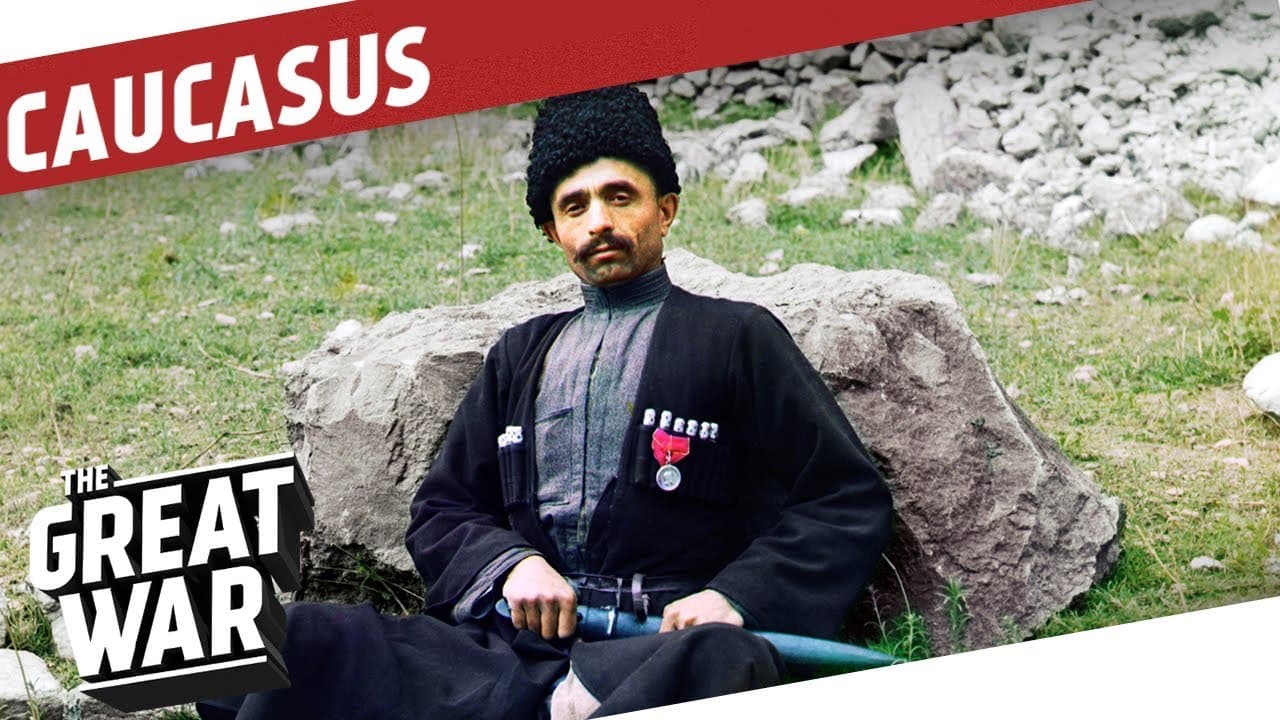
Transcaucasia, a region of diverse ethnicities and cultures, became a focal point during World War I due to its strategic location and resources. The conflict saw tensions between the Ottoman Empire and Russia, with local groups like Armenians, Azerbaijanis, and Georgians caught in the turmoil. The war exacerbated existing ethnic and political tensions, leading to violence and instability.
Transcript
It is often called a museum of ethnology, since the region is home to a vast variety of peoples, with dozens of different languages, cultures, and customs. That has historically created tensions and those tensions came to ahead in the Great War in Transcaucasia. I’m Indy Neidell; welcome to a Great War special episode about Transcaucasia and the Fi... Read More
Key Insights
- Transcaucasia is a region with a rich tapestry of ethnic groups and languages, historically marked by conflict.
- During World War I, Transcaucasia was strategically important to both the Ottoman Empire and Russia.
- The region's economic significance grew in the late 19th century due to oil and minerals, attracting Russian imperialism.
- Ethnic and political tensions in Transcaucasia were exacerbated by the war, leading to violence and instability.
- The Ottomans and Russians sought to exploit local ethnic groups for their own strategic goals.
- The Young Turk Revolution and subsequent events stirred political aspirations and unrest in Transcaucasia.
- The Russian Revolution of 1917 further destabilized Transcaucasia, leading to a power vacuum and chaos.
- Neither the Ottomans nor Russians had concrete plans for Transcaucasia, viewing it more as a burden than a strategic asset.
Install to Summarize YouTube Videos and Get Transcripts
Explore YouTube Video Summarizer or Get YouTube Transcript Extractor
Questions & Answers
Q: How did World War I impact Transcaucasia?
World War I had a profound impact on Transcaucasia, a region marked by ethnic diversity and strategic importance. The conflict exacerbated existing tensions between local ethnic groups and major powers like Russia and the Ottoman Empire. The war led to violence, instability, and a power vacuum, especially after the Russian Revolution of 1917, which left the region in chaos.
Q: What strategic importance did Transcaucasia hold during WW1?
Transcaucasia was strategically important during World War I due to its location between the Ottoman Empire and Russia, as well as its rich resources, including oil and minerals. The region served as a battleground for influence and control, with both empires seeking to leverage local ethnic groups to gain an advantage in the broader conflict.
Q: How did ethnic tensions manifest in Transcaucasia during the war?
Ethnic tensions in Transcaucasia during World War I were exacerbated by the conflict, leading to violence and instability. The diverse ethnic groups, including Armenians, Azerbaijanis, and Georgians, were caught between the strategic interests of the Ottoman Empire and Russia. These tensions were further inflamed by political aspirations and the chaos following the Russian Revolution.
Q: What role did the Young Turk Revolution play in Transcaucasia?
The Young Turk Revolution of 1908 played a significant role in Transcaucasia by stirring political aspirations and unrest among the region's ethnic groups. The revolution was seen as part of a broader movement towards representative government and freedom, influencing political dynamics and contributing to the tensions that erupted during World War I.
Q: How did the Russian Revolution affect Transcaucasia?
The Russian Revolution of 1917 had a destabilizing effect on Transcaucasia, creating a power vacuum and exacerbating existing ethnic and political tensions. The collapse of imperial rule and the subsequent chaos left the region in turmoil, with various factions vying for control and influence amidst the broader conflict of World War I.
Q: What were the economic implications of World War I for Transcaucasia?
World War I had significant economic implications for Transcaucasia, a region rich in resources like oil and minerals. The conflict disrupted trade and production, leading to shortages and economic instability. The strategic importance of its resources attracted Russian imperialism, further complicating the region's economic and political landscape during the war.
Q: Why was Transcaucasia considered a burden by the Ottomans and Russians?
Despite its strategic importance, Transcaucasia was considered a burden by both the Ottomans and Russians due to its complex ethnic composition and persistent instability. The region's diverse ethnic groups and political aspirations made it difficult to control, leading both empires to view it as more of a liability than a strategic asset during World War I.
Q: What was the outcome of Enver Pasha's offensive in Transcaucasia?
Enver Pasha's offensive in Transcaucasia during World War I ended in failure, with the Battle of Sarikamis resulting in a significant defeat for the Ottoman army. The offensive aimed to deliver a decisive victory and incite rebellion among local Muslims, but it ultimately weakened the Ottoman forces and failed to achieve its strategic objectives.
Summary & Key Takeaways
-
Transcaucasia, home to diverse ethnic groups, became a hotspot during World War I due to its strategic location between the Ottoman Empire and Russia. The region's economic resources attracted Russian interest, while ethnic and political tensions simmered. The war exacerbated these tensions, leading to violence and instability.
-
The Ottoman Empire and Russia both sought to leverage local ethnic groups for strategic advantages during the war. The Young Turk Revolution and subsequent political changes stirred aspirations for autonomy among Transcaucasia's ethnic groups, further complicating the region's dynamics.
-
The Russian Revolution of 1917 led to a power vacuum in Transcaucasia, exacerbating existing tensions and leading to chaos. Despite its strategic importance, neither the Ottomans nor Russians had clear plans for the region, viewing it as a burden rather than an asset.
Read in Other Languages (beta)
Share This Summary 📚
Summarize YouTube Videos and Get Video Transcripts with 1-Click
Try YouTube Summary with ChatGPT & Claude or YouTube Transcript Generator
Explore More Summaries from The Great War 📚
Summarize YouTube Videos and Get Video Transcripts with 1-Click
Try YouTube Summary with ChatGPT & Claude or YouTube Transcript Generator