GlaxoSmithKline CEO: More Transparency Is Needed in Drug Pricing
TL;DR
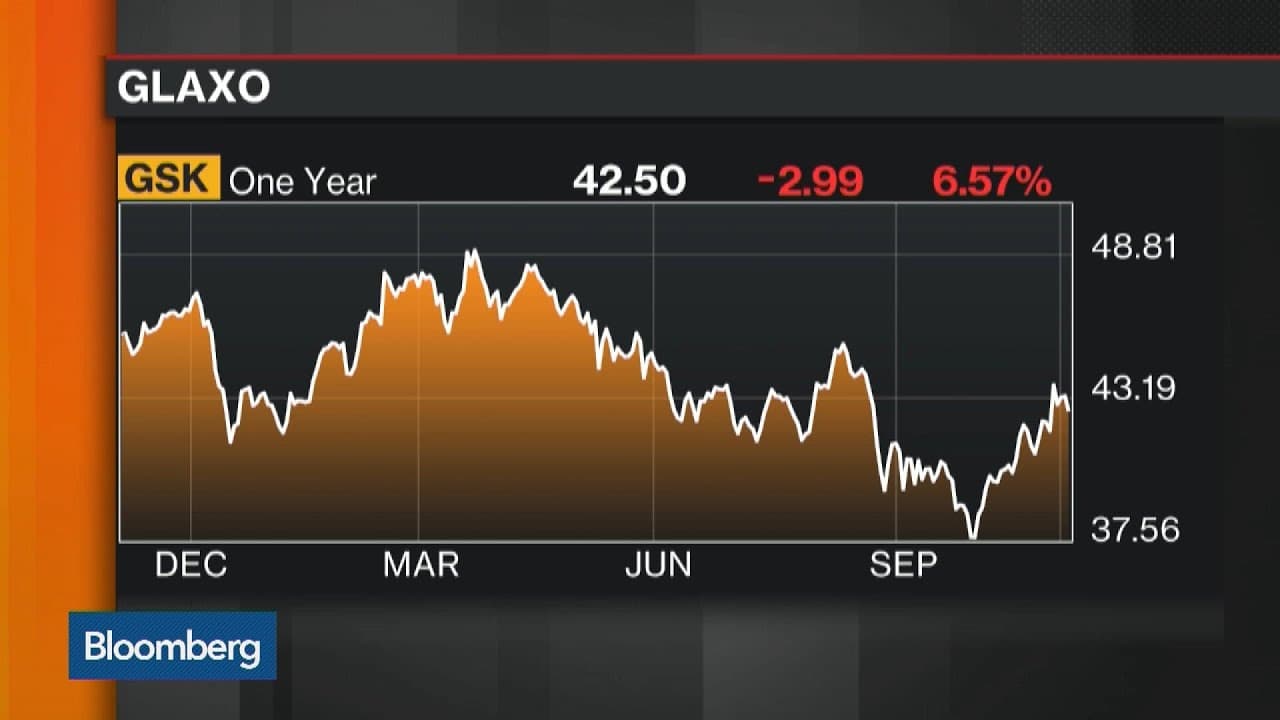
GSK CEO discusses drug pricing, growth strategy, and industry challenges.
Transcript
let's begin with the obvious the elephant in the room if we may you've been reluctant today to talk about the Takeover approach from fizer why well we just never comment on rumors around m& you know if we commented on this one we'd have to comment on everyone so no comment the question as you must understand cuts to the heart of why shareholders ar... Read More
Key Insights
- GSK's CEO emphasizes the importance of innovation and R&D investment for long-term growth, despite current shareholder frustrations over stock prices.
- The company is focused on organic growth rather than mergers and acquisitions, aiming to build a leading consumer healthcare and vaccine business.
- GSK has returned £35 billion to shareholders over seven years, highlighting its commitment to shareholder value while navigating patent expirations.
- The CEO argues for transparency in drug pricing, noting that list prices do not reflect actual costs due to significant discounts and rebates.
- GSK competes with different companies across various therapeutic areas, not just one large competitor, which diversifies its competitive strategy.
- The CEO believes that companies should pay taxes as part of their societal role, despite competitive tax strategies by rivals like Pfizer.
- GSK's strategy includes expanding global access to medicines, leveraging volume sales in emerging markets at lower price points.
- The CEO envisions a sustainable business model that balances innovation incentives with affordable access to medicines worldwide.
Install to Summarize YouTube Videos and Get Transcripts
Explore YouTube Video Summarizer or Get YouTube Transcript Extractor
Questions & Answers
Q: What is GSK's approach to handling shareholder frustrations regarding stock prices?
GSK's CEO acknowledges shareholder frustrations but emphasizes the company's focus on long-term growth through innovation and R&D investment. The company aims to deliver value by building a leading consumer healthcare and vaccine business, returning £35 billion to shareholders over seven years, and avoiding costly acquisitions.
Q: How does GSK view mergers and acquisitions in the pharmaceutical industry?
GSK's CEO expresses skepticism about relying heavily on mergers and acquisitions as a survival strategy. He believes that sustainable growth in the pharmaceutical industry is driven by innovation and R&D. GSK focuses on organic growth and strategic investments rather than acquiring other companies.
Q: What is GSK's stance on drug pricing and transparency?
The CEO advocates for greater transparency in drug pricing, noting that list prices do not accurately reflect what is paid due to discounts and rebates. He calls for a sensible discussion on pricing to ensure medicines remain affordable while maintaining incentives for innovation.
Q: How does GSK compete in the pharmaceutical industry?
GSK competes with different companies across various therapeutic areas, such as HIV, respiratory, and rare diseases. The company does not focus on a single large competitor, which allows it to diversify its competitive strategy and address specific market needs effectively.
Q: What is GSK's perspective on corporate tax responsibility?
GSK's CEO believes that companies should pay taxes as part of their societal role, despite competitive tax strategies by rivals like Pfizer. He argues that paying taxes is essential for contributing to society and maintaining a balanced corporate responsibility.
Q: How does GSK plan to increase global access to medicines?
GSK's strategy involves expanding access to medicines globally by leveraging volume sales in emerging markets at lower price points. The company aims to build a sustainable business model that balances innovation incentives with affordable access to medicines worldwide.
Q: What are some of GSK's recent R&D achievements?
GSK's CEO highlights the company's R&D achievements, noting that 80% of the 40 drugs and vaccines presented are first-in-class. These innovations aim to cure diseases and provide lifetime protection against dangerous diseases, showcasing GSK's commitment to advancing healthcare.
Q: How does GSK balance innovation with affordability in its business model?
GSK's business model focuses on balancing innovation incentives with affordable access to medicines. The company invests in R&D to drive innovation while expanding global access through volume sales in emerging markets, ensuring that medicines are accessible to a broader population at sustainable price points.
Summary & Key Takeaways
-
Andrew Witty, CEO of GlaxoSmithKline, discusses the company's focus on innovation and organic growth as opposed to mergers and acquisitions. He highlights the importance of transparency in drug pricing and the company's commitment to shareholder value through strategic investments and returns.
-
Witty addresses the competitive landscape, emphasizing GSK's diversified approach across different therapeutic areas. He advocates for corporate tax responsibility and outlines GSK's strategy to increase global medicine access through volume sales in emerging markets.
-
The CEO reflects on his tenure, expressing pride in GSK's R&D achievements and the company's long-term vision for sustainable growth. He underscores the need to balance innovation with affordability to ensure widespread access to essential medicines.
Read in Other Languages (beta)
Share This Summary 📚
Summarize YouTube Videos and Get Video Transcripts with 1-Click
Try YouTube Summary with ChatGPT & Claude or YouTube Transcript Generator
Explore More Summaries from Bloomberg Originals 📚

Summarize YouTube Videos and Get Video Transcripts with 1-Click
Try YouTube Summary with ChatGPT & Claude or YouTube Transcript Generator