How Did the 2nd Battle of the Marne Turn the Tide?
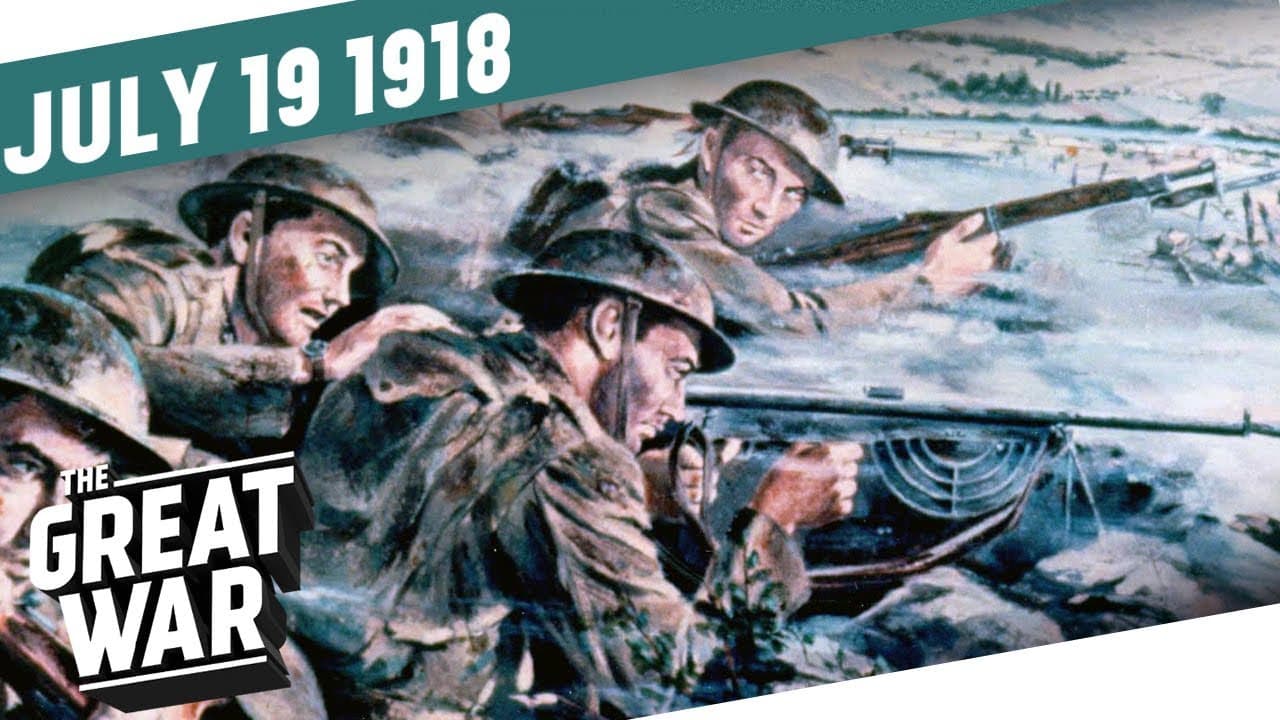
TL;DR
The Second Battle of the Marne marked a significant turning point on the Western Front during World War I. The Allies, forewarned of the German attack, effectively countered with a defense in depth strategy, leading to a successful counterattack. This battle halted the German advance and set the stage for future Allied offensives, ultimately contributing to the end of the war.
Transcript
This week, after nearly four months of withstanding the might of the Kaiserschlacht, the German Spring Offensives, week after week after week, the Allied counter attack finally comes. I’m Indy Neidell; welcome to the Great War. Last week there was a lot of action far to the east in Siberia, but it was primarily a week of planning, as the Germans fi... Read More
Key Insights
- The Second Battle of the Marne was a crucial turning point in World War I.
- Allied forces successfully countered the German offensive with a defense in depth strategy.
- The battle involved significant coordination between French, American, and Italian troops.
- Allied artillery and air power played a key role in blunting the German advance.
- The German failure at the Marne forced them to postpone their planned Flanders offensive.
- The battle demonstrated the effectiveness of surprise and coordination in military strategy.
- The involvement of American troops was pivotal in the success of the Allied counterattack.
- The battle marked the beginning of a series of Allied offensives that would lead to the end of the war.
Install to Summarize YouTube Videos and Get Transcripts
Explore YouTube Video Summarizer or Get YouTube Transcript Extractor
Questions & Answers
Q: How did the Allies counter the German offensive at the Second Battle of the Marne?
The Allies countered the German offensive at the Second Battle of the Marne by implementing a defense in depth strategy. This involved lightly manning the front trenches and concentrating forces further back, allowing them to withstand the initial German assault and then launch a powerful counterattack. French and American artillery played a crucial role in blunting the German advance, and the coordinated efforts of Allied forces ultimately led to a successful counterattack.
Q: What role did American troops play in the Second Battle of the Marne?
American troops played a pivotal role in the Second Battle of the Marne. They were involved in crucial defensive and offensive actions, including holding ground against German assaults and participating in the successful Allied counterattack. The American 3rd Division, in particular, earned the nickname 'the Rock of the Marne' for their steadfast defense, and their involvement significantly contributed to the overall success of the Allied forces in halting the German advance.
Q: What was the significance of the Second Battle of the Marne in World War I?
The Second Battle of the Marne was significant because it marked a turning point on the Western Front during World War I. The successful Allied counterattack halted the last major German offensive and shifted the momentum in favor of the Allies. This battle demonstrated the effectiveness of new defensive tactics and set the stage for a series of Allied offensives that eventually led to the end of the war. It was a critical moment that showcased the growing strength and coordination of the Allied forces.
Q: How did the use of artillery and air power impact the battle?
Artillery and air power had a significant impact on the Second Battle of the Marne. Allied artillery, particularly French and American, was used effectively to disrupt German advances and protect key positions. The use of air power, including French bombers, further hindered German movements by targeting bridges and supply lines. These coordinated efforts helped to neutralize the German offensive and played a crucial role in the success of the Allied counterattack, highlighting the importance of combined arms tactics in modern warfare.
Q: What were the outcomes of the Second Battle of the Marne for the German forces?
The outcomes of the Second Battle of the Marne were detrimental to the German forces. Their offensive failed to achieve its objectives, and the successful Allied counterattack forced them to retreat. The failure at the Marne meant that the Germans had to postpone their planned offensive in Flanders, and it marked the beginning of a series of setbacks that eroded their strategic position. The battle also contributed to a decline in German morale and weakened their overall war effort, ultimately leading to their eventual defeat.
Q: Why was the element of surprise important in the Allied counterattack?
The element of surprise was crucial in the Allied counterattack during the Second Battle of the Marne because it caught the German forces off guard and disrupted their plans. The Allies managed to concentrate their forces and launch the counterattack within a short timeframe, largely at night, which minimized the chances of detection. This surprise element allowed the Allies to exploit weaknesses in the German lines, achieving significant tactical gains and contributing to the overall success of the operation.
Q: What challenges did the German forces face during the battle?
During the Second Battle of the Marne, the German forces faced several challenges, including effective Allied defensive tactics and the element of surprise in the Allied counterattack. The defense in depth strategy used by the Allies negated the initial impact of the German stormtrooper tactics. Additionally, Allied artillery and air power created significant obstacles, disrupting German movements and supply lines. These challenges, coupled with the unexpected strength of the Allied response, ultimately led to the failure of the German offensive.
Q: How did the Second Battle of the Marne influence subsequent military operations?
The Second Battle of the Marne influenced subsequent military operations by shifting the strategic initiative to the Allies. The successful counterattack demonstrated the effectiveness of new defensive tactics and combined arms operations, setting a precedent for future Allied offensives. It marked the beginning of a series of coordinated attacks that exploited German weaknesses, leading to their eventual retreat and the end of the war. The battle also boosted Allied morale and confidence, reinforcing the belief that victory was achievable.
Summary & Key Takeaways
-
The Second Battle of the Marne was a pivotal event in World War I, marking a turning point on the Western Front. The Allies, forewarned of the German offensive, implemented a defense in depth strategy that effectively countered the German stormtrooper tactics. This led to a successful Allied counterattack, halting the German advance and setting the stage for future offensives.
-
During the battle, French and American artillery played a crucial role in blunting the German advance, while coordinated attacks by French, American, and Italian troops helped to regain lost ground. The success of the Allied counterattack marked the beginning of a series of offensives that would eventually lead to the end of the war.
-
The battle demonstrated the importance of surprise and coordination in military strategy, as the Allies managed to concentrate their forces and launch a counterattack within days. The involvement of American troops was pivotal, and their actions earned them praise and recognition, contributing significantly to the Allied victory at the Marne.
Read in Other Languages (beta)
Share This Summary 📚
Summarize YouTube Videos and Get Video Transcripts with 1-Click
Try YouTube Summary with ChatGPT & Claude or YouTube Transcript Generator
Explore More Summaries from The Great War 📚




Summarize YouTube Videos and Get Video Transcripts with 1-Click
Try YouTube Summary with ChatGPT & Claude or YouTube Transcript Generator