What Was the German Afghanistan Expedition of 1915?
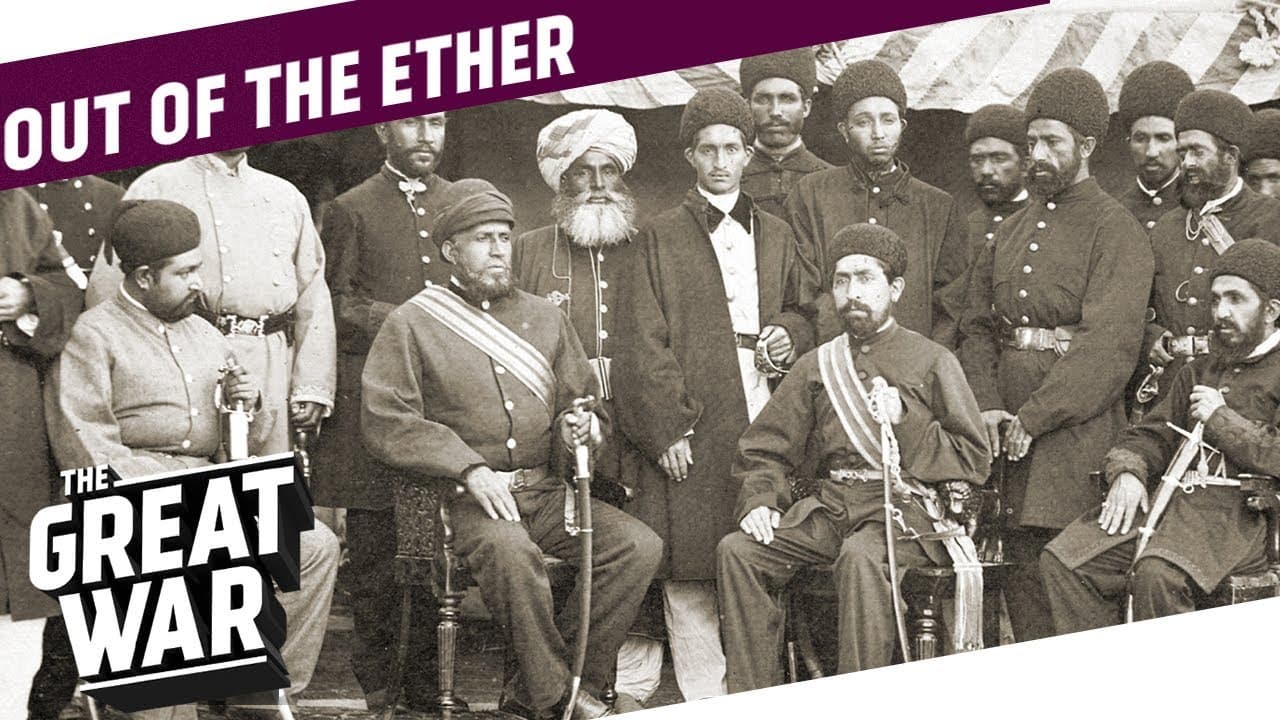
TL;DR
The German Afghanistan Expedition of 1915, led by Mahendra Pratap and German officers, aimed to incite Afghan support against the British during World War I. Despite initial hopes, the expedition failed to secure Afghanistan's allegiance, but it sparked Afghan nationalism, leading to the Third Anglo-Afghan War and eventual Afghan independence recognition by Britain.
Transcript
I'm indy neidell and this is out of the ether where I sit here in the chair of wisdom and read your most interesting enlightening or even controversial comments Now I have only one comment to read today and it's quite a long one So you got to bear with me but it's a good one. Jack sharp writes about the German Afghanistan expedition Hi Indy flow an... Read More
Key Insights
- The German Afghanistan Expedition aimed to gain Afghan support against the British during World War I.
- Led by Mahendra Pratap, Oskar Niedermayer, and Werner Otto von Hentig, the expedition sought to destabilize British rule in India.
- The expedition traveled through Europe and the Middle East, facing harsh conditions and military threats.
- Afghanistan's emir, Habibullah Khan, remained neutral despite German promises of support and resources.
- The expedition's failure contributed to rising Afghan nationalism and the eventual Third Anglo-Afghan War.
- The British intercepted a German codebook during the expedition, aiding their intelligence efforts.
- The expedition highlighted geopolitical tensions in the Middle East during World War I.
- The aftermath of the expedition influenced Afghanistan's path towards independence in 1919.
Install to Summarize YouTube Videos and Get Transcripts
Explore YouTube Video Summarizer or Get YouTube Transcript Extractor
Questions & Answers
Q: What was the purpose of the German Afghanistan Expedition of 1915?
The German Afghanistan Expedition of 1915 aimed to secure Afghan support against the British during World War I. Led by Mahendra Pratap and German officers, the expedition sought to destabilize British rule in India by encouraging Afghanistan to join the Central Powers. Despite promises of gold and military aid, the mission ultimately failed to gain Afghan allegiance.
Q: Who led the German Afghanistan Expedition, and what were their goals?
The expedition was led by Mahendra Pratap, Oskar Niedermayer, and Werner Otto von Hentig. Their goals included inciting Afghan support against the British, creating chaos in British India, and establishing a link between Germany and Afghanistan through Persia. The leaders hoped to weaken British influence and gain strategic advantages for the Central Powers.
Q: What challenges did the German expedition face during their journey?
The expedition faced numerous challenges, including harsh travel conditions such as extreme heat and dehydration, military threats from British and Russian forces, and difficulties in traversing hostile territories. They also struggled with dwindling supplies, disease, and the need to avoid capture by enemy patrols, all of which hindered their progress and mission success.
Q: Why did the emir of Afghanistan, Habibullah Khan, remain neutral during the expedition?
Habibullah Khan remained neutral due to concerns about the repercussions of aligning with Germany. Despite German promises of support and resources, the emir feared losing British financial aid and supplies, which were crucial for his rule. Additionally, he was wary of provoking British and Russian hostility, which could destabilize Afghanistan's position in the region.
Q: What impact did the expedition have on Afghan nationalism?
Though the expedition failed to achieve its immediate goals, it sparked a rise in Afghan nationalism. The local population became increasingly dissatisfied with the emir's neutrality, feeling emboldened by the idea of independence. This growing nationalism eventually contributed to the Third Anglo-Afghan War and Afghanistan's subsequent recognition as an independent nation by Britain in 1919.
Q: How did the intercepted German codebook impact the British during World War I?
The interception of the German codebook during the expedition provided the British with valuable intelligence, allowing them to decipher German communications. This breakthrough improved British military strategies and intelligence operations, offering a significant advantage in monitoring and countering German activities in the region and elsewhere during World War I.
Q: What were the long-term effects of the German Afghanistan Expedition on the region?
The expedition's long-term effects included heightened Afghan nationalism and a shift towards independence. It influenced Afghanistan's political landscape, contributing to the Third Anglo-Afghan War and the eventual Anglo-Afghan Treaty, where Britain recognized Afghanistan's independence. The mission also underscored the geopolitical complexities in the Middle East during World War I.
Q: What happened to the leaders of the expedition after its failure?
After the expedition's failure, Oskar Niedermayer returned to Germany and continued military service, eventually serving in World War II until his death in Soviet custody in 1948. Werner Otto von Hentig worked in the German Embassy in Istanbul and later held various government positions. He opposed the Nazi Party and served as German ambassador to Indonesia post-World War II, passing away in 1984.
Summary & Key Takeaways
-
The German Afghanistan Expedition of 1915 aimed to secure Afghan support against the British, led by Mahendra Pratap and German officers. Despite promises of gold and military aid, Afghanistan remained neutral, fearing British and Russian reactions. The mission's failure fueled Afghan nationalism, leading to the Third Anglo-Afghan War and eventual independence recognition by Britain.
-
The expedition faced numerous challenges, including harsh travel conditions and military threats from British and Russian forces. The emir of Afghanistan, Habibullah Khan, was cautious and did not commit to the German cause, despite initial interest. The mission's failure highlighted the complexities of Middle Eastern geopolitics during World War I.
-
While the expedition did not achieve its immediate goals, it had long-term impacts on Afghan nationalism and independence. The intercepted German codebook provided the British with valuable intelligence. The mission's legacy influenced Afghanistan's political landscape and its eventual recognition as an independent nation by Britain in 1919.
Read in Other Languages (beta)
Share This Summary 📚
Summarize YouTube Videos and Get Video Transcripts with 1-Click
Try YouTube Summary with ChatGPT & Claude or YouTube Transcript Generator
Explore More Summaries from The Great War 📚




Summarize YouTube Videos and Get Video Transcripts with 1-Click
Try YouTube Summary with ChatGPT & Claude or YouTube Transcript Generator