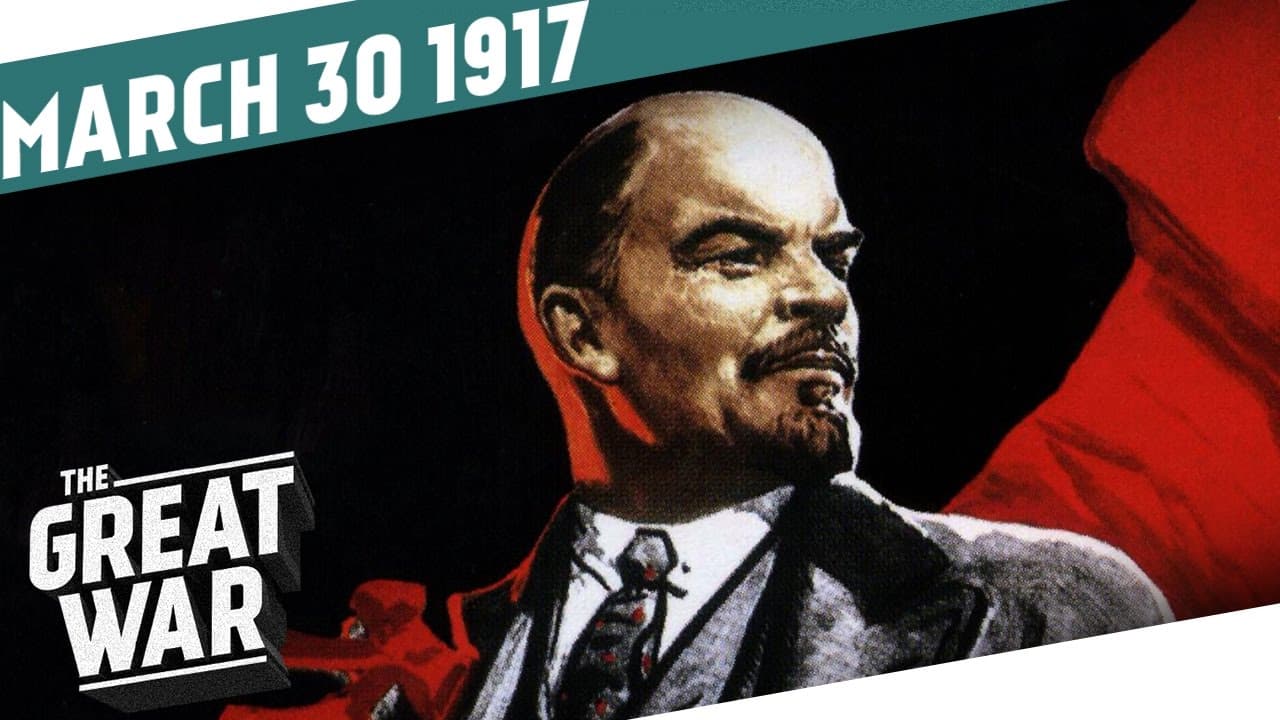
How Did Lenin Return to Russia in 1917?
TL;DR
Vladimir Lenin returned to Russia with German support, intending to destabilize the Russian government. Meanwhile, the British faced a defeat at the First Battle of Gaza due to strategic missteps and logistical challenges. The Toplica Uprising ended with a brutal crackdown by the Central Powers, highlighting the harsh realities of occupied territories during World War I.
Transcript
If you plan a battle, of course you need soldiers and weapons, and a battle plan, but that’s not all you need - you also need time, timing, and water. I’m Indy Neidell; welcome to the Great War. Last week the allies made small advances in the west, the Balkans, and Macedonia. There was a munitions strike in Britain, rival factions attempting to lea... Read More
Key Insights
- Lenin returned to Russia with German assistance to incite unrest.
- The First Battle of Gaza was a strategic defeat for the British.
- Timing and water resources were critical in the Gaza battle.
- The Toplica Uprising was the only popular uprising in occupied territory during WWI.
- The Petrograd Soviet called for an end to the war, challenging the Provisional Government.
- British optimism in Palestine mirrored past misjudgments in Mesopotamia.
- Technological advancements in aviation surpassed land speed records by 1917.
- The brutal suppression of the Toplica Uprising led to war crime charges against Bulgarian officers.
Install to Summarize YouTube Videos and Get Transcripts
Explore YouTube Video Summarizer or Get YouTube Transcript Extractor
Questions & Answers
Q: How did Lenin return to Russia in 1917?
Lenin returned to Russia in 1917 with the assistance of Germany, which provided him with railway facilities from Switzerland. The Germans hoped that his presence would incite civil unrest and weaken Russia's war effort, ultimately leading to Russia's withdrawal from World War I. This strategic move was part of Germany's broader plan to destabilize the Eastern Front.
Q: What was the outcome of the First Battle of Gaza?
The First Battle of Gaza resulted in a strategic defeat for the British forces. Despite initial successes in encircling the town, delays caused by dense fog and logistical challenges led to a breakdown in command. The British were forced to retreat due to a critical shortage of water, and the battle ended with the Turks maintaining control of the region.
Q: What was the Toplica Uprising?
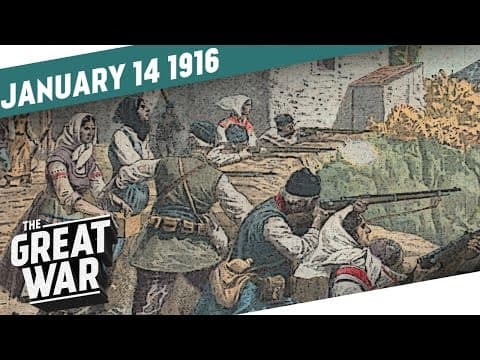
The Toplica Uprising was a popular resistance movement in Serbia during World War I, occurring in an area occupied by the Central Powers. It was the only significant uprising in occupied territory during the war. Despite its suppression by the Central Powers, the uprising demonstrated the resilience of occupied populations and led to postwar war crime charges against Bulgarian officers for their brutal actions.
Q: Why did the Petrograd Soviet call for an end to the war?
The Petrograd Soviet issued a call for an end to World War I as part of its efforts to assert control over the Russian Provisional Government and promote peace. The Soviet's proclamation appealed to the proletariat of the Austro-German coalition, urging them to reject their governments' war aims and unite for peace. This reflected the growing anti-war sentiment among Russian workers and soldiers.
Q: What role did timing and water play in the First Battle of Gaza?
Timing and water were critical factors in the First Battle of Gaza. The British forces faced delays due to dense fog and navigational errors, which disrupted their battle plans. Additionally, the availability of water was crucial in the desert environment; the British were forced to retreat because they could not secure sufficient water supplies, highlighting the importance of logistical planning in warfare.
Q: What were the technological advancements in aviation during WWI?
During World War I, aviation technology advanced significantly, with aircraft becoming faster and more powerful. By 1917, some planes could fly at speeds exceeding the land speed record, reaching 135 miles per hour and carrying multiple passengers. These advancements made aircraft increasingly important in reconnaissance and combat roles, changing the dynamics of warfare.
Q: How did British optimism affect their military strategy in Palestine?
British optimism in Palestine, similar to previous campaigns in Mesopotamia, led to strategic misjudgments. Despite needing more divisions to defend Egypt, the British launched an offensive into Palestine with fewer troops, underestimating Ottoman defenses. This hubris contributed to the failure at the First Battle of Gaza, as logistical challenges and overconfidence in their plans led to a British retreat.
Q: What were the consequences of the Toplica Uprising for Bulgarian officers?
The suppression of the Toplica Uprising involved harsh measures by the Central Powers, particularly Bulgarian forces, who were accused of setting fire to villages and committing atrocities. After the war, many Bulgarian officers faced war crime charges for their actions during the uprising, reflecting the broader consequences of wartime conduct and the accountability sought by the international community.
Summary & Key Takeaways
-
Vladimir Lenin's return to Russia was facilitated by Germany, aiming to destabilize the Russian government and end its involvement in World War I. His arrival marked a significant moment in Russian history, as it contributed to the eventual Bolshevik Revolution.
-
The First Battle of Gaza was a British attempt to advance into Palestine, but it ended in failure due to poor timing, logistical challenges, and underestimating Ottoman defenses. Despite initial successes, delays and communication breakdowns led to a British retreat.
-
The Toplica Uprising in Serbia was a significant resistance movement against the occupying Central Powers. Despite its eventual suppression, it highlighted the resilience of occupied populations and the harsh measures taken by occupiers, leading to postwar war crime charges against Bulgarian officers.
Read in Other Languages (beta)
Share This Summary 📚
Summarize YouTube Videos and Get Video Transcripts with 1-Click
Try YouTube Summary with ChatGPT & Claude or YouTube Transcript Generator
Explore More Summaries from The Great War 📚
Summarize YouTube Videos and Get Video Transcripts with 1-Click
Try YouTube Summary with ChatGPT & Claude or YouTube Transcript Generator