Hand Grenades - The Belgian Army - Flemish Nationalism I OUT OF THE TRENCHES
TL;DR
Discussion on Belgian army's role and WWI military innovations.
Transcript
this episode of out of the trenches is sponsored by the Great Courses plus I'm Indie nidel and I'm sitting here in the chair of Madness to answer all your questions about the first world war yes the chair of madness here in my apartment in lovely Stockholm Sweden uh a bunch of you have written in asking to see it again so I thought I'd shoot one of... Read More
Key Insights
- The Belgian Army, led by King Albert, maintained a defensive stance during most of WWI, focusing on protecting their sovereignty rather than aligning with British or French offensive strategies.
- Tensions existed between Flemish and Walloon soldiers in the Belgian Army due to language barriers, with French being the official language of the military and administration.
- The German Army attempted to exploit Flemish-Walloon tensions by promoting Flemish autonomy to weaken Belgian unity during the war.
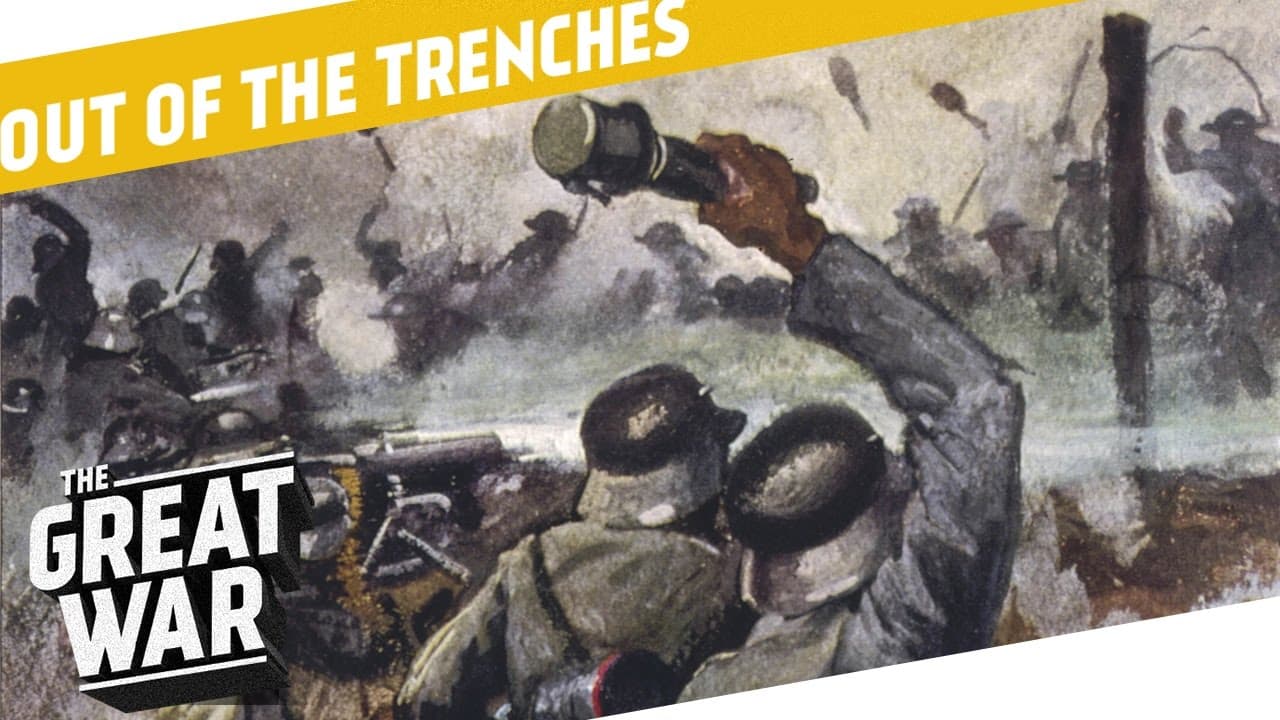
- Hand grenades and mortars, considered obsolete before WWI, were reintroduced as effective solutions to trench warfare stalemates, particularly on the Western Front.
- Military commanders quickly recognized the utility of grenades for clearing enemy trenches, leading to the formation of specialized bomb squads in the British Army.
- The design of hand grenades evolved during WWI, with the British Mills bomb offering improved grip and the German stick grenade, known as a 'potato masher,' allowing for greater throwing distance.
- Mortars were vital in WWI for their ability to destroy enemy fortifications by firing shells at steep angles, making them effective against entrenched positions.
- Educational resources, like The Great Courses Plus, offer extensive lectures on military history, including the strategic blunders and innovations of WWI.
Install to Summarize YouTube Videos and Get Transcripts
Explore YouTube Video Summarizer or Get YouTube Transcript Extractor
Questions & Answers
Q: How did the Belgian Army's strategy differ from the British and French during WWI?
The Belgian Army, led by King Albert, focused on a defensive strategy to protect Belgian sovereignty, rather than joining the British and French in offensive operations. This was due to their desire to maintain independence and neutrality, despite Allied pressure to integrate into their battle plans.
Q: What role did language play in the tensions within the Belgian Army?
Language played a significant role in creating tensions within the Belgian Army, as French was the official language of administration and the military. Flemish soldiers often felt marginalized, leading to a divide that the German Army attempted to exploit by promoting Flemish autonomy to weaken Belgian unity.
Q: Why were hand grenades and mortars reintroduced during WWI?
Hand grenades and mortars were reintroduced during WWI as effective solutions to the stalemate of trench warfare. These weapons allowed forces to clear enemy trenches and fortifications, leading to their widespread use and the development of specialized squads for their deployment.
Q: How did the design of hand grenades evolve during WWI?
The design of hand grenades evolved significantly during WWI. The British Mills bomb was designed with a pineapple shape for better grip, while the German stick grenade, known as a 'potato masher,' featured a long handle for increased throwing distance. These innovations enhanced their effectiveness in trench warfare.
Q: What was the strategic significance of mortars in WWI?
Mortars were strategically significant in WWI for their ability to destroy enemy fortifications by firing shells at steep angles, ideal for targeting trenches and concrete pillboxes. Their effectiveness in trench warfare made them a crucial component of military operations on the Western Front.
Q: How did the German Army attempt to exploit Belgian internal tensions?
The German Army attempted to exploit Belgian internal tensions by promoting Flemish autonomy, categorizing Flemish citizens as oppressed, and establishing separate Flemish and Walloon administrative sections. This strategy aimed to weaken Belgian unity and gain strategic advantages during the war.
Q: What educational resources are available for learning about WWI military history?
The Great Courses Plus offers extensive educational resources on military history, including lectures by experts on strategic blunders and innovations of WWI. These courses provide in-depth insights into the complexities and developments of the war, catering to history enthusiasts and scholars alike.
Q: How did the British Army organize its bomb squads during WWI?
The British Army organized its bomb squads during WWI into groups of nine men, including two grenade throwers, two grenade carriers, two bayonet men, two soldiers in reserve, and led by a non-commissioned officer. This structure ensured effective deployment of grenades in trench warfare, with troops selected for bravery and capability.
Summary & Key Takeaways
-
The Belgian Army, under King Albert, focused on defending its territory during WWI, resisting pressure from British and French forces to join offensive operations. This decision maintained Belgian neutrality, although it led to criticism from Allied media.
-
Language barriers in the Belgian Army created tensions between Flemish and Walloon soldiers, with French as the official language. The Germans exploited this divide by promoting Flemish autonomy to weaken Belgian unity.
-
WWI saw the reintroduction of hand grenades and mortars as key military tools. These weapons, once considered obsolete, were effective in trench warfare, leading to innovations in their design and specialized units for their deployment.
Read in Other Languages (beta)
Share This Summary 📚
Summarize YouTube Videos and Get Video Transcripts with 1-Click
Try YouTube Summary with ChatGPT & Claude or YouTube Transcript Generator
Explore More Summaries from The Great War 📚
Summarize YouTube Videos and Get Video Transcripts with 1-Click
Try YouTube Summary with ChatGPT & Claude or YouTube Transcript Generator