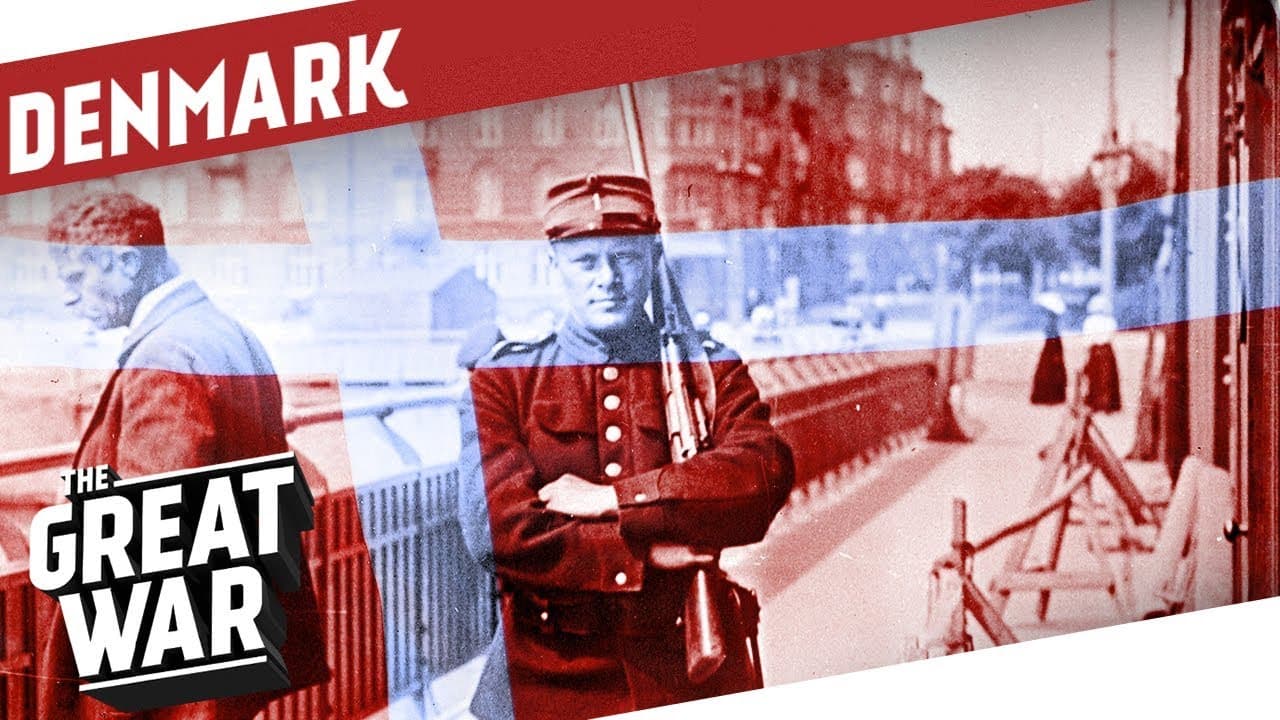
Between Gulasch Barons and Defending Neutrality - Denmark in WW1 I THE GREAT WAR Special
TL;DR
Denmark maintained neutrality during WW1 while facing internal and external challenges.
Transcript
We’ve done a series of specials about what was going on in some of the neutral nations of Europe during the Great War, and today I’m going to look at Denmark. I’m Indy Neidell; welcome to a Great War Special episode about Denmark during the First World War. In 1864, Prussia and Austria had gone to war with Denmark over the duchies of Schleswig and ... Read More
Key Insights
- Denmark pursued strict neutrality during WW1 due to past conflicts with Germany and the desire to avoid further territorial losses.
- Denmark's strategic location at the Baltic Sea's mouth made neutrality challenging, facing pressure from Germany and Britain.
- The Danish economy thrived during the war by trading agricultural goods like butter and bacon with both Britain and Germany.
- Approximately 30,000 Danes conscripted into the German army faced low morale, hoping for reunification with Denmark after an Allied victory.
- The Danish military mobilized early in the war, but its outdated defenses would have been inadequate against a German invasion.
- Economic disparities emerged as 'goulash barons' profited from wartime trade, causing public resentment.
- Denmark sold its Virgin Islands to the US to prevent German use if occupied, receiving $25 million in gold.
- Post-war, Denmark regained Northern Schleswig through a plebiscite, but political tensions arose over Central Schleswig's status.
Install to Summarize YouTube Videos and Get Transcripts
Explore YouTube Video Summarizer or Get YouTube Transcript Extractor
Questions & Answers
Q: Why did Denmark choose neutrality during WW1?
Denmark chose neutrality during WW1 due to its historical conflicts with Germany, particularly the loss of Schleswig and Holstein in 1864. This 'national trauma' influenced Danish politics toward avoiding further territorial losses or endangering its independence. Additionally, Denmark's strategic location and desire to maintain trade with major powers further supported its neutral stance.
Q: How did Denmark's economy perform during WW1?
Denmark's economy thrived during WW1 by capitalizing on its agricultural output. The country exported goods like butter and bacon to both Britain and Germany, creating economic opportunities despite wartime challenges. However, this trade led to the rise of 'goulash barons,' a new wealthy elite that faced public resentment due to perceived profiteering and economic disparities.
Q: What role did the Danish military play during WW1?
The Danish military mobilized early in WW1 to safeguard neutrality, expanding its forces significantly. However, the defenses, particularly around Copenhagen, were outdated and deemed inadequate against modern artillery. Despite the mobilization, Denmark avoided direct conflict, and the military served more as a deterrent than an active participant in the war.
Q: What was the impact of Danish nationals in the German army during WW1?
Approximately 30,000 Danish nationals, living in territories lost to Germany, were conscripted into the German army. These individuals faced low morale, as many hoped for an Allied victory that might lead to reunification with Denmark. The conscription highlighted the complex national identity issues stemming from historical territorial changes and wartime pressures.
Q: How did Denmark handle its colonial possessions during WW1?
During WW1, Denmark sold its remaining colonial possessions in the Caribbean, specifically the Virgin Islands, to the United States for $25 million in gold. This decision was partly strategic, as it prevented the islands from potentially falling into German hands if Denmark were occupied. The sale reflected Denmark's pragmatic approach to its colonial interests amid global conflict.
Q: What were the political changes in Denmark post-WW1?
Post-WW1, Denmark experienced significant political changes, particularly regarding the reunification of Schleswig. Northern Schleswig was returned to Denmark, but Central Schleswig voted to remain with Germany, causing nationalist tensions. The resulting Easter Crisis led to the resignation of Prime Minister Zahle and a reduction in the Danish monarchy's power, highlighting the political complexities of post-war territorial adjustments.
Q: What was the significance of the 'goulash barons' during WW1 in Denmark?
The 'goulash barons' were a new wealthy elite in Denmark who profited from the wartime trade boom, particularly in agricultural exports. Their wealth accumulation led to significant public resentment, as many Danes viewed them as profiteers exploiting the war for personal gain. This economic disparity highlighted the social tensions within Denmark during and after the war.
Q: How did Denmark's strategic location affect its WW1 experience?
Denmark's strategic location at the mouth of the Baltic Sea made neutrality a complex endeavor during WW1. The country faced pressure from Germany to mine the Danish straits, which could have been seen as a hostile act by Britain. Despite these challenges, Denmark managed to maintain its neutral stance, balancing its trade relations with both major powers while navigating the geopolitical tensions of the time.
Summary & Key Takeaways
-
Denmark maintained neutrality during WW1, influenced by past conflicts with Germany and strategic considerations. The country balanced trade with Britain and Germany, focusing on agricultural exports. Despite internal political changes and economic disparities, Denmark avoided direct conflict and regained Northern Schleswig post-war.
-
Denmark's strategic position at the Baltic Sea's mouth posed challenges to its neutrality during WW1. The Danish military mobilized, but outdated defenses and economic pressures from wartime trade highlighted internal and external tensions. Post-war, Denmark navigated political challenges over territorial reunification.
-
Economic booms from wartime trade created wealth disparities, with 'goulash barons' profiting amid public resentment. Denmark sold its Virgin Islands to the US to prevent German use. After the war, Denmark regained Northern Schleswig, but political tensions persisted over Central Schleswig's status.
Read in Other Languages (beta)
Share This Summary 📚
Summarize YouTube Videos and Get Video Transcripts with 1-Click
Try YouTube Summary with ChatGPT & Claude or YouTube Transcript Generator
Explore More Summaries from The Great War 📚
Summarize YouTube Videos and Get Video Transcripts with 1-Click
Try YouTube Summary with ChatGPT & Claude or YouTube Transcript Generator