How Jeff Bezos Became the King of E-Commerce
TL;DR
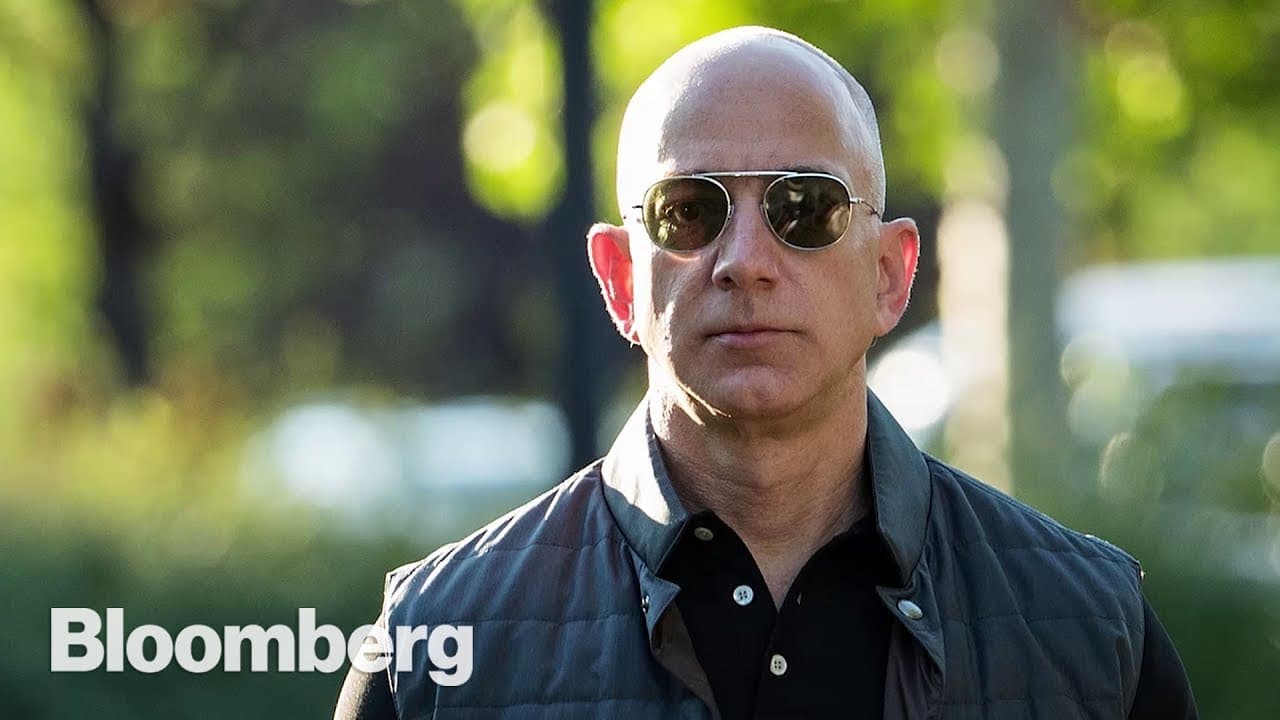
Jeff Bezos revolutionized e-commerce by founding Amazon.
Transcript
In 1994, a young, Wall Street hotshot named Jeff Bezos was at a crossroads in his career: Continue amassing a small fortune... ...or abandon it all to sell books? That decision would single-handedly change the history of e-commerce, publishing, film, TV, journalism, and quite possibly interstellar travel. That decision also represents a recurring ... Read More
Key Insights
- Jeff Bezos made a pivotal career decision in 1994, leaving Wall Street to start an online bookstore that would become Amazon.
- Bezos's early fascination with technology and space exploration influenced his innovative approach to business and vision for the future.
- Amazon's initial success was unexpected, quickly surpassing sales expectations and expanding from books to a wide range of products.
- The dot-com crash tested Amazon's resilience, but Bezos's long-term vision and charisma helped the company thrive amid challenges.
- Amazon's business model focuses on reinvestment rather than immediate profits, driving its expansion into new markets and technologies.
- Bezos's ventures extend beyond e-commerce, including space exploration with Blue Origin and media ownership with The Washington Post.
- Amazon Prime has been a key driver of customer loyalty and revenue growth, creating a robust ecosystem around the platform.
- Bezos's strategic decisions and willingness to take risks have positioned Amazon as a dominant force in global commerce.
Install to Summarize YouTube Videos and Get Transcripts
Explore YouTube Video Summarizer or Get YouTube Transcript Extractor
Questions & Answers
Q: What was Jeff Bezos's career background before founding Amazon?
Before founding Amazon, Jeff Bezos had a successful career on Wall Street, where he quickly rose through the ranks to become the youngest-ever Vice President at Bankers Trust Company and later a Senior Vice President at DE Shaw and Co. His experience in finance and technology laid the groundwork for his entrepreneurial journey.
Q: How did Jeff Bezos come up with the idea for Amazon?
Jeff Bezos recognized the untapped potential of the internet while working at DE Shaw and Co., observing its rapid growth. He identified books as an ideal product to sell online due to their ease of packaging and the internet's capacity to serve as an infinite library, leading to the founding of Amazon.
Q: What challenges did Amazon face during the dot-com crash?
During the dot-com crash, many questioned Amazon's sustainability, fearing the bubble would burst. However, Jeff Bezos's long-term vision and ability to convey confidence to stockholders allowed Amazon to weather the storm, eliminate competition, and strengthen its market position, ultimately leading to its continued success.
Q: How has Amazon Prime contributed to the company's growth?
Amazon Prime has significantly contributed to the company's growth by fostering customer loyalty and creating a comprehensive ecosystem around the platform. The service encourages frequent purchases and boosts revenue, while word-of-mouth promotion further expands its user base, solidifying Amazon's market dominance.
Q: What is Jeff Bezos's approach to Amazon's profits and reinvestment?
Jeff Bezos prioritizes reinvestment over immediate profits, channeling cash flow back into Amazon's core businesses and new ventures. This strategy fuels innovation and expansion, allowing Amazon to explore emerging technologies and markets, ensuring its long-term growth and competitiveness in the global marketplace.
Q: What other ventures has Jeff Bezos pursued beyond Amazon?
Beyond Amazon, Jeff Bezos has pursued ventures in space exploration with Blue Origin, aiming to enable millions to live and work in space. He also acquired The Washington Post, expanding his influence into media. These diverse interests reflect his vision for innovation and impact across industries.
Q: How does Jeff Bezos's leadership style differ from other entrepreneurs?
Jeff Bezos's leadership style is characterized by a focus on long-term vision, strategic risk-taking, and reinvestment. Unlike more reactionary entrepreneurs, Bezos maintains a steady course despite short-term challenges, emphasizing innovation and growth. His charisma and ability to convey confidence further distinguish his approach.
Q: What impact has Jeff Bezos had on global commerce?
Jeff Bezos has revolutionized global commerce by transforming Amazon from a garage startup into a dominant e-commerce platform. His strategic decisions, focus on customer experience, and willingness to explore new markets have reshaped retail, influencing consumer behavior and setting new standards for online business worldwide.
Summary & Key Takeaways
-
Jeff Bezos's decision to leave Wall Street and start an online bookstore in 1994 was a turning point that led to the creation of Amazon, now a global e-commerce giant. His innovative approach and long-term vision have driven Amazon's expansion into various industries and technologies.
-
Amazon's initial success was marked by rapid sales growth, exceeding expectations and expanding beyond books. Despite challenges like the dot-com crash, Bezos's leadership and commitment to reinvestment have helped Amazon maintain its market dominance and explore new ventures.
-
Beyond e-commerce, Bezos has ventured into space exploration with Blue Origin and media ownership with The Washington Post. His strategic decisions and risk-taking have positioned Amazon as a leader in global commerce, while his personal influence extends to various industries.
Read in Other Languages (beta)
Share This Summary 📚
Summarize YouTube Videos and Get Video Transcripts with 1-Click
Try YouTube Summary with ChatGPT & Claude or YouTube Transcript Generator
Explore More Summaries from Bloomberg Originals 📚





Summarize YouTube Videos and Get Video Transcripts with 1-Click
Try YouTube Summary with ChatGPT & Claude or YouTube Transcript Generator