The History and Evolution of Shareholder Activism
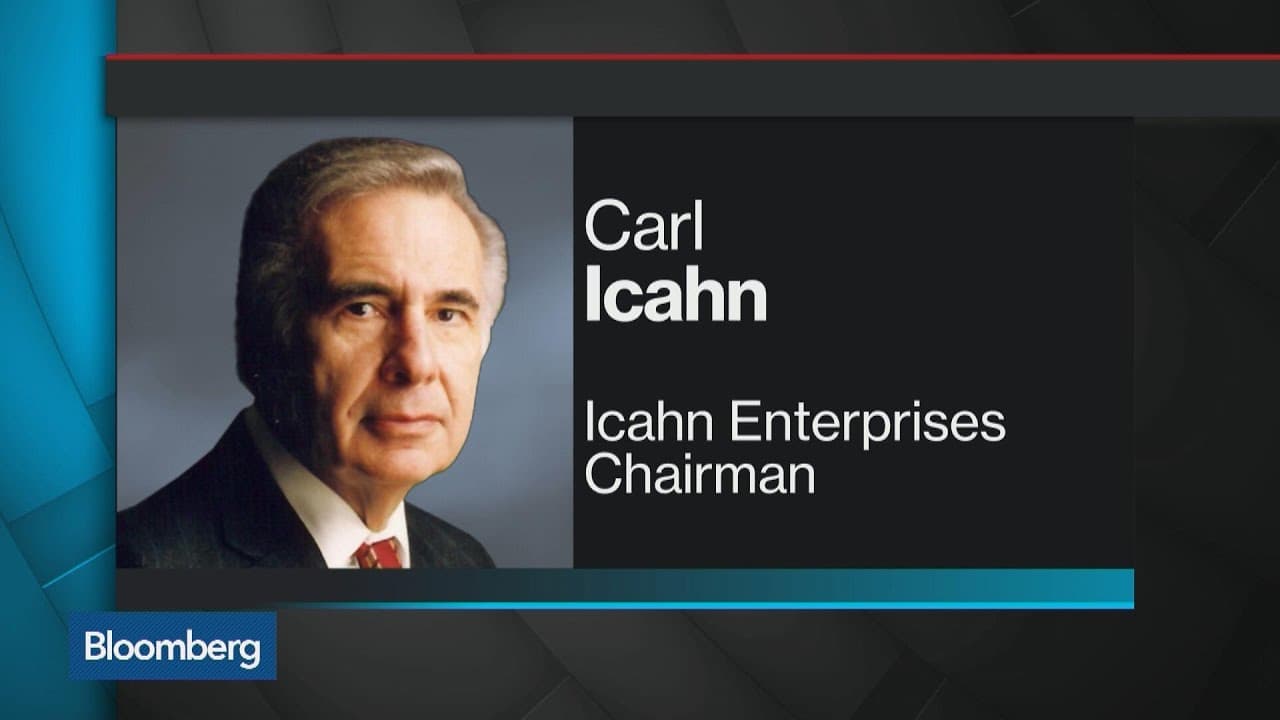
TL;DR
The discussion explores the evolution and impact of shareholder activism.
Transcript
it's nice to have your book come out at the right time there's a new there's a new bout of activism what is different with a Carl iconik activism Now versus the history of it the sprawl of it that's in dear chairman well I think the main thing that has been happening now is uh you have this a bloom of hedge fund activism and a lot of that has been ... Read More
Key Insights
- Shareholder activism has evolved significantly, with hedge fund activism becoming more prominent due to passive investor support.
- In the 1950s, shareholder activism was more of a public relations game involving individual investors, unlike today's institutional focus.
- The 1980s and 1990s saw increased aggression in activism, largely driven by corporate raiders and hedge fund activists.
- Larry Fink of BlackRock emphasizes the need for long-term activist support, expressing dissatisfaction with short-term profit-focused activists.
- There is a growing movement among large institutions to develop better governance practices, with leaders like Jamie Dimon and Warren Buffett spearheading efforts.
- The role of passive shareholders has transformed from being disengaged to actively involved and sophisticated in today's market.
- Carl Icahn's approach to activism remains economically driven, but he now must appeal to more engaged and informed shareholders.
- The book 'Dear Chairman' provides a historical perspective on shareholder activism, highlighting its transition from a graceful practice to a more contentious one.
Install to Summarize YouTube Videos and Get Transcripts
Explore YouTube Video Summarizer or Get YouTube Transcript Extractor
Questions & Answers
Q: How has shareholder activism evolved over the decades?
Shareholder activism has evolved from a public relations-focused activity involving individual investors in the 1950s to a more aggressive and institutional-driven practice. The 1980s and 1990s saw the rise of corporate raiders and hedge fund activists, leading to a more contentious environment. Today, large institutions play a significant role, focusing on governance improvements.
Q: What role do hedge funds play in modern shareholder activism?
Hedge funds have become central to modern shareholder activism, often driving campaigns aimed at increasing shareholder value. They have been supported by passive investors, but recent trends indicate a shift as large institutions seek to promote better governance practices. The focus is moving towards longer-term value creation rather than short-term gains.
Q: What concerns does Larry Fink of BlackRock have regarding shareholder activism?
Larry Fink of BlackRock has expressed concerns about activists focused solely on short-term financial gains, such as higher dividends and share buybacks. He advocates for supporting activists with a longer-term perspective, emphasizing the importance of sustainable value creation and improved governance practices.
Q: How have passive shareholders' roles changed in activism?
Passive shareholders have transitioned from being largely disengaged and exploitable in the early days of activism to becoming more involved and sophisticated. Today, they play a crucial role in supporting or opposing activist campaigns, influencing the direction of corporate governance and shareholder value strategies.
Q: What historical perspective does the book 'Dear Chairman' provide?
The book 'Dear Chairman' offers a historical perspective on shareholder activism, tracing its evolution from a courteous and charming practice to the aggressive and contentious environment of today. It highlights key figures and campaigns, illustrating how activism has shaped corporate governance over the years.
Q: How does Carl Icahn's approach to activism compare over the years?
Carl Icahn's approach to activism remains focused on economic gains, but the context has shifted. In the past, he could exploit disengaged shareholders, but today, he must appeal to more informed and involved institutional investors, requiring a more strategic approach to gain their support.
Q: What are some key governance challenges highlighted in the discussion?
Key governance challenges include balancing short-term financial gains with long-term value creation, improving corporate governance practices, and addressing the influence of large institutional investors. Leaders like Jamie Dimon and Warren Buffett are working to establish best practices, aiming to enhance governance standards across industries.
Q: What potential role could Washington play in shareholder activism?
While Jeff Gramm does not provide specific recommendations for Washington's role, there is an implication that market forces should ideally reward well-governed companies. Regulatory bodies could focus on ensuring transparency and fairness in activist campaigns, fostering an environment that supports sustainable corporate governance practices.
Summary & Key Takeaways
-
The discussion centers on the evolution of shareholder activism, highlighting the shift from individual investors to institutional involvement. Hedge fund activism has grown, supported by large passive investors, but recent changes suggest a shift towards better governance practices.
-
The aggressive nature of activism emerged in the 1980s and 1990s, driven by corporate raiders and hedge fund activists. Larry Fink of BlackRock calls for longer-term activist support, contrasting with those focused on immediate financial gains.
-
Carl Icahn exemplifies the economic motivations behind activism, but changes in shareholder engagement require new strategies. 'Dear Chairman' offers a historical view of activism's transformation from a courteous practice to a more combative one.
Read in Other Languages (beta)
Share This Summary 📚
Summarize YouTube Videos and Get Video Transcripts with 1-Click
Try YouTube Summary with ChatGPT & Claude or YouTube Transcript Generator
Explore More Summaries from Bloomberg Originals 📚






Summarize YouTube Videos and Get Video Transcripts with 1-Click
Try YouTube Summary with ChatGPT & Claude or YouTube Transcript Generator