How Covid Transforms Luxury Fashion Industry
TL;DR
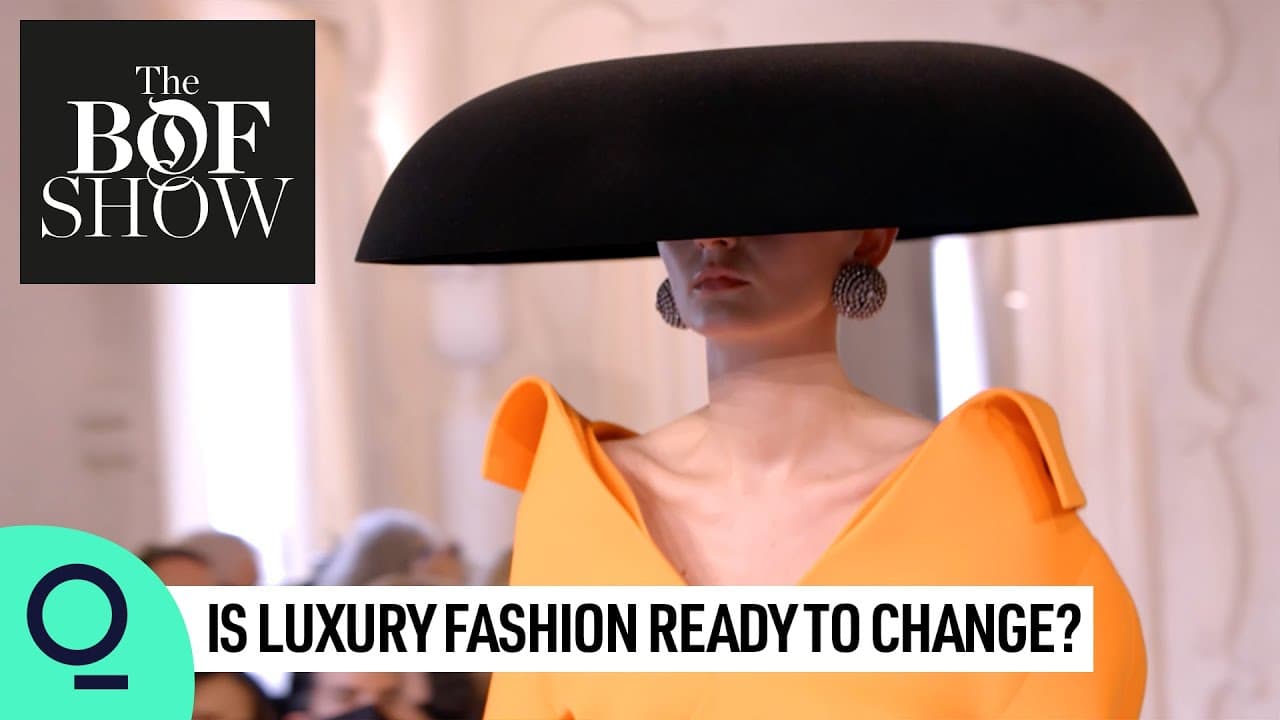
The luxury fashion industry is undergoing significant changes due to the Covid-19 pandemic, emphasizing sustainability and innovation. Designers like Demna Gvasalia and Marine Serre are leading the charge by incorporating sustainable practices and questioning traditional norms. The industry is balancing creativity with business needs, as it adapts to a more global and inclusive market.
Transcript
What we wear says a lot about who we are. Yet fashion is also a $2.5 trillion industry that touches everyone on Earth. I'm Imran Amed. I first started trying to make sense of the fashion business 15 years ago, as it was being transformed by technology, globalization, and shifting consumer values. And so stuff like this would just end up in a landfi... Read More
Key Insights
- Covid-19 has significantly impacted the luxury fashion industry, leading to a focus on sustainability and innovation.
- Designers like Demna Gvasalia and Marine Serre are pushing for sustainable practices and questioning traditional norms.
- The luxury fashion market experienced a severe downturn in 2020, but major brands have rebounded with record profits by mid-2021.
- Balenciaga's creative director, Demna Gvasalia, emphasizes couture's modernity and sustainability by producing only what is ordered.
- Marine Serre focuses on upcycling and using regenerated fabrics to create unique, sustainable fashion pieces.
- The fashion industry is becoming more global and inclusive, with a shift from Western-centric clientele to a diverse international audience.
- The pandemic has forced the fashion industry to adapt, using technology for creative and business innovation.
- Fashion is a reflection of societal changes, with designers addressing issues like gender identity and systemic racism.
Install to Summarize YouTube Videos and Get Transcripts
Explore YouTube Video Summarizer or Get YouTube Transcript Extractor
Questions & Answers
Q: How has Covid-19 impacted the luxury fashion industry?
Covid-19 has significantly impacted the luxury fashion industry, causing a severe downturn in 2020 with a more than 20% drop in revenues. However, major brands have rebounded with record profits by mid-2021. The pandemic has accelerated the industry's shift towards sustainability and innovation, as designers and brands adapt to new consumer demands and global market changes.
Q: What role does sustainability play in the current fashion industry?
Sustainability plays a crucial role in the current fashion industry as designers and brands increasingly focus on eco-friendly practices. This includes using sustainable materials, reducing waste, and promoting ethical production methods. Designers like Demna Gvasalia and Marine Serre are leading the charge by incorporating sustainable practices into their work, reflecting a broader industry trend towards environmental consciousness.
Q: Who are some key designers leading change in the fashion industry?
Key designers leading change in the fashion industry include Demna Gvasalia of Balenciaga and Marine Serre. Gvasalia is known for his innovative approach to couture, emphasizing sustainability by producing only what is ordered. Marine Serre focuses on upcycling and using regenerated fabrics to create unique, sustainable fashion pieces. Both designers are challenging traditional norms and driving the industry towards a more sustainable future.
Q: How is the fashion industry adapting to a more global market?
The fashion industry is adapting to a more global market by embracing diversity and inclusivity, shifting from a Western-centric focus to catering to a diverse international audience. This includes expanding digital presence, incorporating global cultural influences, and addressing issues like gender identity and systemic racism. The industry is also leveraging technology for creative and business innovation, reaching a broader global audience.
Q: What changes are being made in fashion shows post-pandemic?
Post-pandemic, fashion shows have adapted by incorporating digital elements and focusing on sustainability. Designers are using technology to create virtual fashion experiences, reducing the environmental impact of traditional shows. Additionally, there is a greater emphasis on inclusivity and diversity in casting, with designers like Demna Gvasalia featuring men, women, and non-binary models in their couture shows. These changes reflect the industry's shift towards a more sustainable and inclusive future.
Q: How does Demna Gvasalia approach sustainability in fashion?
Demna Gvasalia approaches sustainability in fashion by emphasizing couture's modernity and sustainability. At Balenciaga, he focuses on producing only what is ordered, reducing waste and promoting a more sustainable consumption model. Gvasalia's designs often incorporate themes of sustainability and social issues, reflecting his commitment to raising awareness and encouraging responsible fashion practices within the industry.
Q: What is Marine Serre's approach to sustainable fashion?
Marine Serre's approach to sustainable fashion involves using upcycled and regenerated fabrics to create unique, environmentally friendly pieces. Her studio is filled with old garments that are repurposed into new designs, highlighting the importance of reducing waste and promoting ethical production methods. Serre's work reflects a commitment to sustainability and innovation, challenging traditional fashion norms and encouraging a more responsible industry.
Q: How has the fashion industry's view on gender and inclusivity evolved?
The fashion industry's view on gender and inclusivity has evolved significantly, with a growing emphasis on diversity and representation. Designers are challenging traditional gender norms, featuring men, women, and non-binary models in their shows. The industry is also addressing issues like systemic racism and promoting inclusivity in both design and business practices. This evolution reflects a broader societal shift towards equality and acceptance, with fashion serving as a powerful medium for change.
Summary & Key Takeaways
-
The luxury fashion industry is evolving due to Covid-19, with an increased focus on sustainability and innovation. Designers like Demna Gvasalia and Marine Serre are leading the way by incorporating sustainable practices and challenging traditional norms. The industry is adapting to a more global and inclusive market, balancing creativity with business needs.
-
Covid-19 has forced the luxury fashion industry to rethink its practices, emphasizing sustainability and innovation. Designers such as Demna Gvasalia and Marine Serre are at the forefront of this change, using sustainable materials and questioning traditional norms. The industry is becoming more global and inclusive, adapting to new consumer demands.
-
The pandemic has reshaped the luxury fashion industry, highlighting the importance of sustainability and innovation. Designers like Demna Gvasalia and Marine Serre are pioneering sustainable practices and challenging traditional norms. The industry is adapting to a more global and inclusive market, balancing creativity with business needs.
Read in Other Languages (beta)
Share This Summary 📚
Summarize YouTube Videos and Get Video Transcripts with 1-Click
Try YouTube Summary with ChatGPT & Claude or YouTube Transcript Generator
Explore More Summaries from Bloomberg Originals 📚




Summarize YouTube Videos and Get Video Transcripts with 1-Click
Try YouTube Summary with ChatGPT & Claude or YouTube Transcript Generator