How Russia Paid Right-Wing Influencers
TL;DR
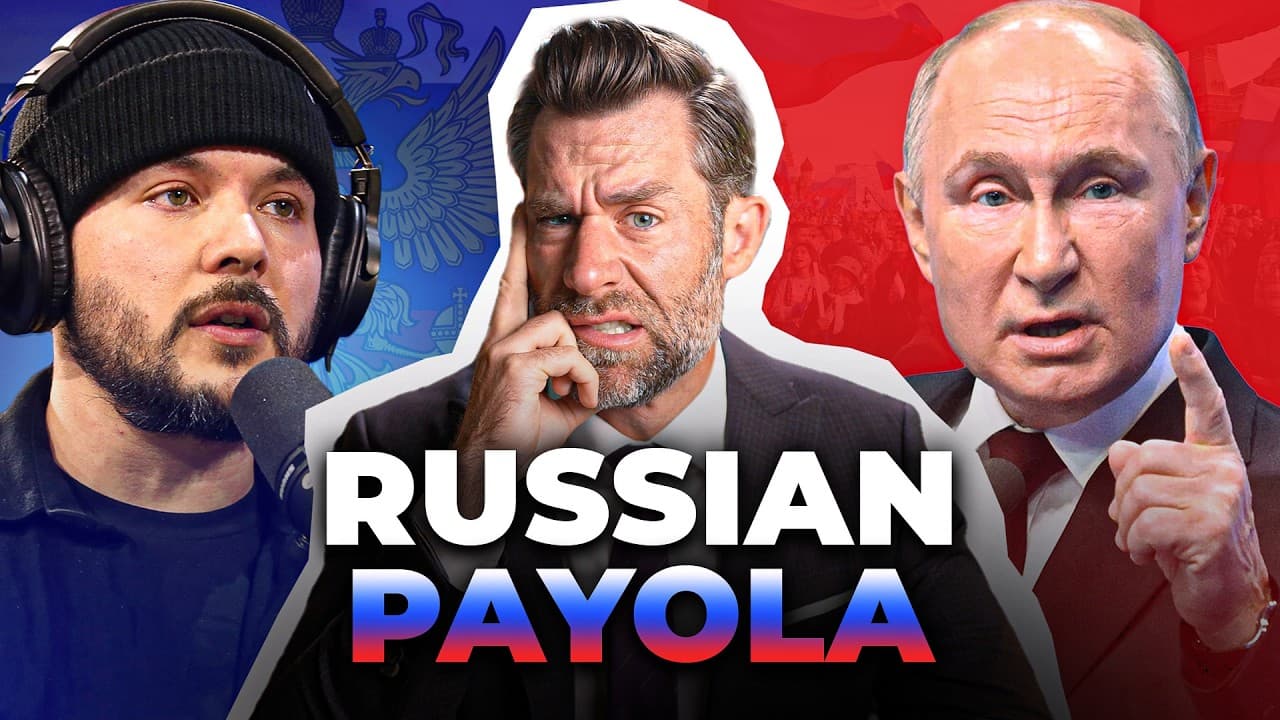
Russia allegedly paid right-wing influencers by laundering almost $10 million through shell corporations to a Tennessee-based media company identified as Tenant Media. The Justice Department indicted RT workers Constantine Kalashnikov and Elena Afanasyeva, while influencers including Tim Pool, Dave Rubin, and Benny Johnson said they did not know the money’s source. Read on to understand the alleged payment structure, the evidence connecting Tenant Media, and how the influencers responded.
Transcript
- So it turns out those right wing media personalities who were spewing insane pro-Russia misinformation were paid by Russia. The Justice Department indicted two people working for the TV network Russia Today for illegally funneling $10 million to right wing YouTubers to push narratives favorable to the Kremlin. The indictment goes after Tenant Med... Read More
Key Insights
- Right-wing influencers allegedly received $10 million from Russia Today to promote pro-Kremlin narratives.
- The Justice Department indicted individuals for illegally funneling money to these influencers.
- The indictment names Tenant Media as the company involved in distributing the funds.
- Influencers like Tim Pool and Dave Rubin claim they were unaware of the Russian connection.
- The indictment suggests that the influencers were paid to amplify messages favorable to Russia.
- Russia Today's involvement was concealed through shell companies and fake identities.
- The FTC requires influencers to disclose material connections, raising questions about compliance.
- Potential legal consequences include violations of the Foreign Agents Registration Act (FARA) and money laundering.
Install to Summarize YouTube Videos and Get Transcripts
Explore YouTube Video Summarizer or Get YouTube Transcript Extractor
Questions & Answers
Q: How did Russia allegedly pay right-wing influencers?
According to the indictment described in the transcript, RT-funded defendants laundered almost $10 million through shell corporations to covertly support a Tennessee-based media company. That company produced videos for YouTube and TikTok without disclosing RT’s involvement and paid several influencers as much as $100,000 per episode.
Q: Who did the Justice Department indict in the alleged scheme?
The Justice Department indicted Constantine Kalashnikov and Elena Afanasyeva, two people accused of secretly working for Russia Today, also known as RT. The transcript emphasizes that these allegations had not yet been proven in court.
Q: Which influencers were associated with Tenant Media?
The transcript identifies Dave Rubin, Tim Pool, and Benny Johnson among Tenant Media’s roster of influencers. Tim Pool and Benny Johnson confirmed that they were named in the indictment.
Q: How was Tenant Media connected to the company described in the indictment?
The indictment called the Tennessee-based recipient “U.S. Company-1” rather than naming it. The transcript connects it to Tenant Media because both used the phrase “a network of heterodox commentators” and shared the same January 19 incorporation date.
Q: What role did Russia Today allegedly play?
The indictment alleges that the defendants were funded by RT and used almost $10 million to covertly support the Tennessee-based company. RT is described in the transcript as a state-controlled broadcaster funded and directed by the Russian government through its state budget.
Q: What did Tim Pool say about his arrangement with Tenant Media?
Tim Pool said Lauren contacted his company about licensing its show under a non-exclusive broadcast license. He said his Culture War company retained ownership and distribution rights, while the license allowed the show to appear on Tenant Media’s YouTube channel on Friday mornings at 10:00 AM and permitted use of his likeness.
Q: How did Tim Pool respond to the allegations?
Pool said that if the allegations were true, he and the other commentators had been deceived and were victims. He stressed that the claims were only allegations, and the transcript says he was allegedly cooperating with federal authorities.
Q: What other actions did the government take during the investigation?
The government seized more than 24 internet domains allegedly directed by the Russian government. The transcript also says the funded company published videos on YouTube and TikTok without disclosing RT’s involvement.
Summary & Key Takeaways
-
Right-wing influencers were allegedly paid by Russia to promote pro-Kremlin narratives, with the Justice Department indicting individuals linked to Russia Today. The indictment reveals how $10 million was funneled through shell companies, implicating influencers like Tim Pool and Dave Rubin, who claim ignorance of the source. This scandal raises significant legal and ethical questions, particularly regarding compliance with the Foreign Agents Registration Act.
-
The Justice Department's indictment details how Tenant Media and its influencers, including Dave Rubin and Tim Pool, were allegedly used to propagate Russian interests. The influencers received substantial payments, purportedly without knowledge of their origin. The indictment highlights covert operations, including the use of fake identities and shell companies, to manipulate U.S. public opinion, emphasizing the need for transparency and accountability in influencer marketing.
-
The alleged payments to right-wing influencers by Russia Today underscore the influence of foreign entities in shaping U.S. public discourse. The indictment accuses individuals of violating FARA by acting as unregistered agents of Russia, using shell companies to obscure the source of funds. This case illustrates the complexities of modern media manipulation and the challenges of enforcing disclosure regulations in the digital age.
Read in Other Languages (beta)
Share This Summary 📚
Summarize YouTube Videos and Get Video Transcripts with 1-Click
Try YouTube Summary with ChatGPT & Claude or YouTube Transcript Generator
Explore More Summaries from LegalEagle 📚



Summarize YouTube Videos and Get Video Transcripts with 1-Click
Try YouTube Summary with ChatGPT & Claude or YouTube Transcript Generator