Russia Fails In The Mountains - Basra Falls I THE GREAT WAR - Week 38
TL;DR
Commanders' overconfidence leads to massive casualties and strategic failures.
Transcript
To be a commander during wartime requires certain skills and attributes, as you may imagine, and one of those must of necessity be a belief in your own abilities and a belief that your forces can accomplish their tasks, especially on the battlefield. But what happens when that belief is at odds with reality? When your belief in your abilities becom... Read More
Key Insights
- The episode highlights the hubris of military commanders during World War I, illustrating how overconfidence and a refusal to acknowledge reality led to disastrous outcomes on multiple fronts.
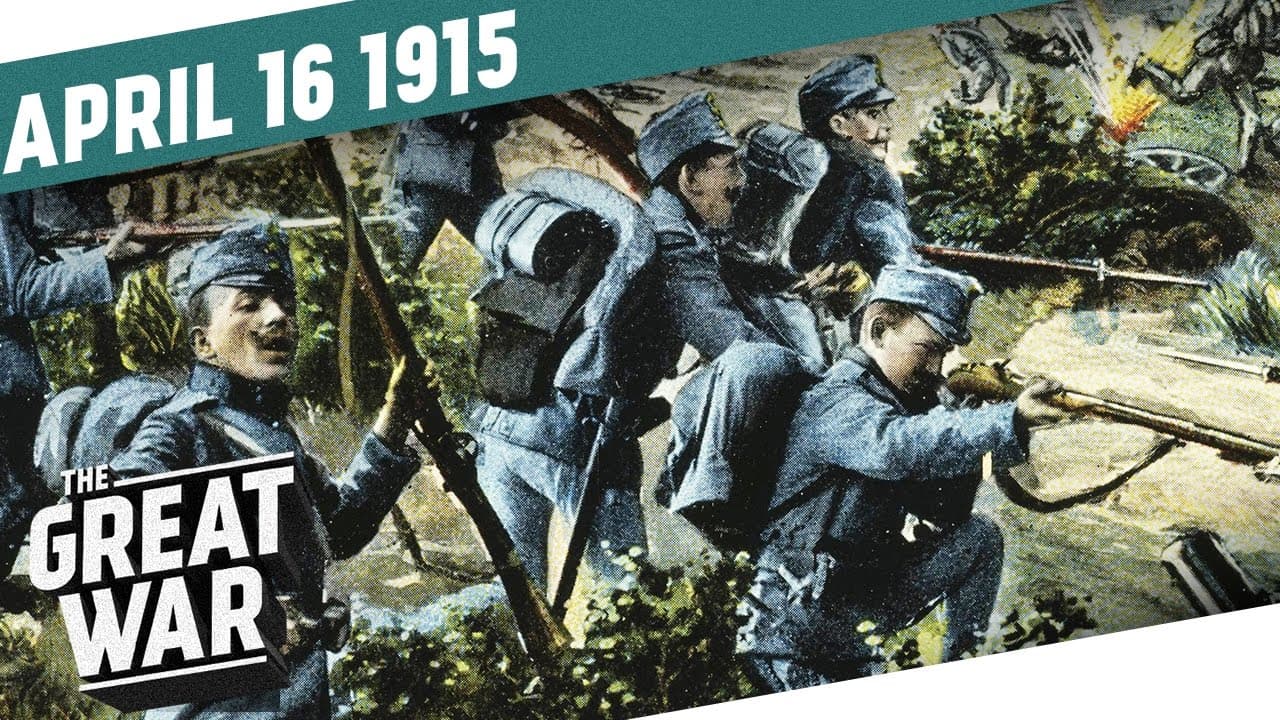
- In the Carpathian Mountains, Conrad von Hotzendorf's poorly conceived offensives resulted in massive Austrian casualties without achieving their objectives, showcasing the dangers of ignoring logistical and strategic limitations.
- The episode draws parallels between the mountain warfare of WWI and the Battle of Stalingrad, emphasizing the severe human cost and the psychological trauma inflicted on both sides due to harsh conditions and relentless offensives.
- The British forces secured a victory at Basra, despite internal communication issues and unauthorized plans for advancing towards Baghdad, highlighting the disjointed nature of British military operations in Mesopotamia.
- Italy's potential entry into the war on the side of the Entente posed a significant threat to Austria, as negotiations with both the Central Powers and the Entente continued, further complicating the geopolitical landscape.
- The episode underscores the growing scale of the war, with new fronts emerging, such as the anticipated Dardanelles campaign, where allied forces underestimated the defensive capabilities of the Ottoman Empire.
- The Armenian genocide began to unfold, with widespread deportations and massacres reported, as the Ottoman Empire sought to scapegoat Armenians for military failures, marking a dark chapter in the conflict.
- The narrative critiques the infallibility complex of leaders like Winston Churchill and Enver Pasha, whose strategic blunders and refusal to accept responsibility led to catastrophic consequences for their nations.
Install to Summarize YouTube Videos and Get Transcripts
Explore YouTube Video Summarizer or Get YouTube Transcript Extractor
Questions & Answers
Q: What was the main reason for the failure of Austrian offensives in the Carpathian Mountains?
The Austrian offensives in the Carpathian Mountains failed primarily due to Conrad von Hotzendorf's ill-conceived strategies, which did not account for the harsh terrain, logistical challenges, and the strength of Russian mountain troops. The Austrians lacked the necessary manpower, training, and equipment to sustain such offensives, leading to massive casualties without achieving their objectives.
Q: How did internal communication issues affect British military operations in Mesopotamia?
Internal communication issues significantly affected British military operations in Mesopotamia. General Sir John Nixon's unauthorized plan to advance towards Baghdad, despite explicit instructions from London not to proceed beyond Basra, exemplifies the disjointed nature of British command. This lack of coordination could have led to strategic missteps and unnecessary risks in the campaign.
Q: What were the implications of Italy's potential entry into World War I on the side of the Entente?
Italy's potential entry into World War I on the side of the Entente posed a significant threat to Austria, as it would open a new front and stretch Austrian military resources even thinner. With 800,000 men in its army, Italy's involvement could have shifted the balance of power and forced Austria to divert attention and resources from other critical fronts.
Q: What were the strategic miscalculations made by the Allied forces regarding the Dardanelles campaign?
The strategic miscalculations made by the Allied forces regarding the Dardanelles campaign included underestimating the defensive capabilities of the Ottoman Empire and assuming an easy victory. Allied commanders believed the Turks were weak due to previous defeats, but this overconfidence ignored the substantial defensive preparations being made by the Ottoman forces, potentially leading to a protracted and costly campaign.
Q: How did the Armenian genocide begin during this period of World War I?
The Armenian genocide began during this period with widespread deportations and massacres as the Ottoman Empire sought to scapegoat Armenians for military failures. On April 15th, the Armenian community appealed to the German ambassador for protection, which was denied, and reports of attacks on villages and mass killings emerged, marking the start of a systematic campaign against Armenians.
Q: What parallels are drawn between the mountain warfare in World War I and the Battle of Stalingrad?
The episode draws parallels between the mountain warfare in World War I and the Battle of Stalingrad by highlighting the severe human cost, harsh conditions, and the relentless nature of the offensives. Both conflicts involved significant psychological trauma and massive casualties, as commanders ignored logistical realities and continued futile attacks, leading to devastating consequences for the troops involved.
Q: How did commanders' belief in their own infallibility impact the course of World War I?
Commanders' belief in their own infallibility significantly impacted the course of World War I by leading to strategic blunders and unnecessary loss of life. Leaders like Conrad von Hotzendorf, Winston Churchill, and Enver Pasha made decisions based on overconfidence and refused to accept responsibility for failures, resulting in disastrous offensives, protracted conflicts, and millions of casualties.
Q: What role did hubris play in the decisions of World War I leaders like Winston Churchill and Enver Pasha?
Hubris played a critical role in the decisions of World War I leaders like Winston Churchill and Enver Pasha by fostering a sense of infallibility and leading to strategic miscalculations. Churchill's assumption of an easy victory at Gallipoli and Pasha's refusal to accept responsibility for defeats in the Caucasus exemplify how overconfidence and a lack of accountability resulted in catastrophic military outcomes and prolonged suffering.
Summary & Key Takeaways
-
The episode examines the detrimental impact of commanders' overconfidence during World War I, leading to failed offensives and massive casualties, particularly in the Carpathian Mountains under Conrad von Hotzendorf's leadership.
-
The British secured Basra, despite internal miscommunication, while Italy's potential alliance shift threatened Austria. New fronts emerged, with the Dardanelles campaign looming, as the war's scale continued to expand.
-
The Armenian genocide began with deportations and massacres, highlighting the Ottoman Empire's scapegoating of Armenians. The episode critiques leaders like Churchill and Pasha for their strategic blunders and refusal to accept responsibility.
Read in Other Languages (beta)
Share This Summary 📚
Summarize YouTube Videos and Get Video Transcripts with 1-Click
Try YouTube Summary with ChatGPT & Claude or YouTube Transcript Generator
Explore More Summaries from The Great War 📚

Summarize YouTube Videos and Get Video Transcripts with 1-Click
Try YouTube Summary with ChatGPT & Claude or YouTube Transcript Generator