What Caused the Yellowstone Park Flood in 2022?
TL;DR
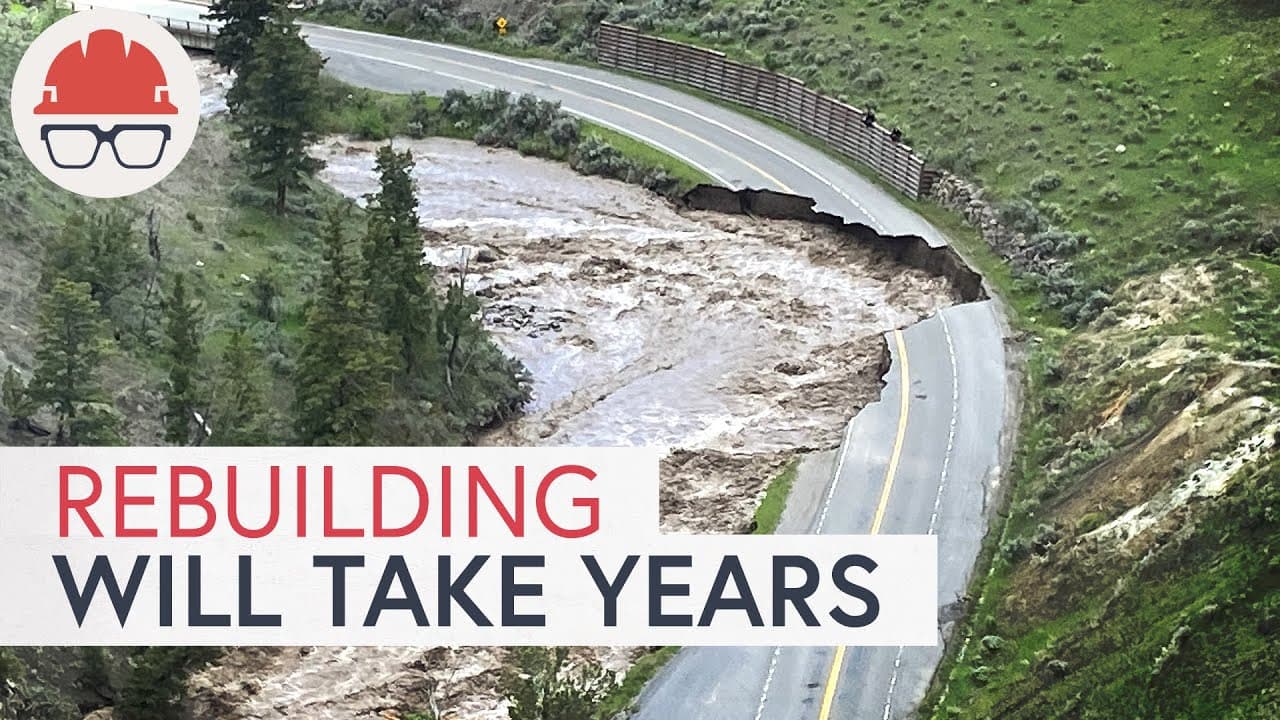
In June 2022, torrential rainfall in Wyoming and Montana led to widespread flooding in Yellowstone National Park, causing significant damage to infrastructure and necessitating the evacuation of over 10,000 people. The National Park Service is working on rebuilding efforts, considering stronger infrastructure to withstand future flooding. The challenge is balancing rapid reconstruction with environmental conservation.
Transcript
Every year, a deluge of tourists stream into Yellowstone National Park, America’s first and possibly most famous national park, and (I would argue) one of the most beautiful and geographically rich places on earth. But this past June of 2022, many of those tourists, along with some of the permanent residents of the area, found themselves at gro... Read More
Key Insights
- Yellowstone National Park experienced severe flooding in June 2022 due to torrential rain and rapid snowmelt.
- Over 10,000 people were evacuated from the park, but remarkably, no injuries or deaths occurred.
- The flooding was exacerbated by rain-on-snow events, a known contributor to flood risks.
- The National Park Service is tasked with rebuilding damaged infrastructure, balancing speed with environmental considerations.
- Reconstruction efforts may involve new roadway alignments and extensive planning to prevent future flood damage.
- The floods caused the Yellowstone River to exceed the 500-year flood stage, affecting communities beyond the park.
- Emergency funds have been released for repairs, but full restoration costs may reach up to a billion dollars.
- Careful planning and design are crucial to ensure sustainable and resilient infrastructure in the park.
Install to Summarize YouTube Videos and Get Transcripts
Explore YouTube Video Summarizer or Get YouTube Transcript Extractor
Questions & Answers
Q: What caused the Yellowstone Park flood in 2022?
The Yellowstone Park flood in 2022 was primarily caused by torrential rainfall combined with rapid snowmelt. This rain-on-snow event led to significant runoff, overwhelming the park's rivers and streams. The intense water flow caused severe damage to infrastructure, necessitating evacuations and prompting extensive rebuilding efforts.
Q: How did the Yellowstone flood impact the park's infrastructure?
The Yellowstone flood caused extensive damage to the park's infrastructure, including roads, bridges, and utilities. Many structures were washed away, and some areas experienced massive washouts and rockslides. The National Park Service is focused on rebuilding this infrastructure with an emphasis on resilience to prevent similar damage in the future.
Q: What is a rain-on-snow event and how does it contribute to flooding?
A rain-on-snow event occurs when rain falls on snow-covered ground, rapidly melting the snowpack and increasing runoff into rivers and streams. This can significantly contribute to flooding, as seen in the Yellowstone flood. The combination of rain and snowmelt can quickly overwhelm watercourses, leading to severe flood conditions.
Q: What are the challenges in rebuilding Yellowstone's infrastructure after the flood?
Rebuilding Yellowstone's infrastructure involves several challenges, including ensuring environmental protection, securing funding, and designing resilient structures. The process requires careful planning and assessments to avoid future flood damage. Balancing quick repairs with long-term sustainability and minimal ecological impact is a key focus for the National Park Service.
Q: How did the Yellowstone flood affect local communities outside the park?
The Yellowstone flood extended beyond the park, impacting local communities along the Yellowstone River, which exceeded the 500-year flood stage. This caused significant damage to homes and infrastructure in these areas. The flood's effects disrupted local economies, particularly those reliant on tourism, and required coordinated recovery efforts.
Q: What measures are being taken to prevent future flooding in Yellowstone?
To prevent future flooding in Yellowstone, the National Park Service is emphasizing resilient infrastructure design and careful planning. This includes considering new roadway alignments, conducting environmental and geotechnical studies, and implementing designs that can withstand extreme weather events. The goal is to create sustainable solutions that balance human access with natural preservation.
Q: Why is it important to balance quick repairs with environmental conservation in Yellowstone?
Balancing quick repairs with environmental conservation in Yellowstone is crucial because hasty construction can harm the park's natural ecosystems. Ensuring that infrastructure is built sustainably protects the park's unique landscapes and biodiversity. Thoughtful planning helps maintain the park's ecological integrity while providing safe and reliable access for visitors.
Q: What role does the Federal Highway Administration play in Yellowstone's recovery efforts?
The Federal Highway Administration plays a significant role in Yellowstone's recovery efforts by amending existing contracts to expedite repairs. Their involvement helps secure funding and resources necessary for rebuilding infrastructure. The administration's expertise ensures that reconstruction projects are efficiently managed and align with federal standards for safety and resilience.
Summary & Key Takeaways
-
In June 2022, Yellowstone National Park faced severe flooding due to intense rainfall and snowmelt, leading to significant infrastructure damage and the evacuation of over 10,000 people. Fortunately, no casualties were reported. The National Park Service is working on rebuilding efforts, prioritizing resilience against future floods while considering environmental impacts.
-
The flooding was intensified by rain-on-snow events, which rapidly increased water flow in the park's rivers. The Yellowstone River exceeded the 500-year flood stage, causing damage both within and outside the park. Emergency funds have been allocated for repairs, but full restoration may take time due to necessary environmental assessments.
-
Reconstruction in Yellowstone involves balancing quick repairs with environmental stewardship. The park's infrastructure must be designed to withstand future natural events without compromising the park's ecological integrity. This careful planning ensures that the park remains a safe and sustainable destination for future visitors.
Read in Other Languages (beta)
Share This Summary 📚
Summarize YouTube Videos and Get Video Transcripts with 1-Click
Try YouTube Summary with ChatGPT & Claude or YouTube Transcript Generator
Explore More Summaries from Practical Engineering 📚


Summarize YouTube Videos and Get Video Transcripts with 1-Click
Try YouTube Summary with ChatGPT & Claude or YouTube Transcript Generator