What Happened in the 90s Pepsi Contest in Philippines?
TL;DR
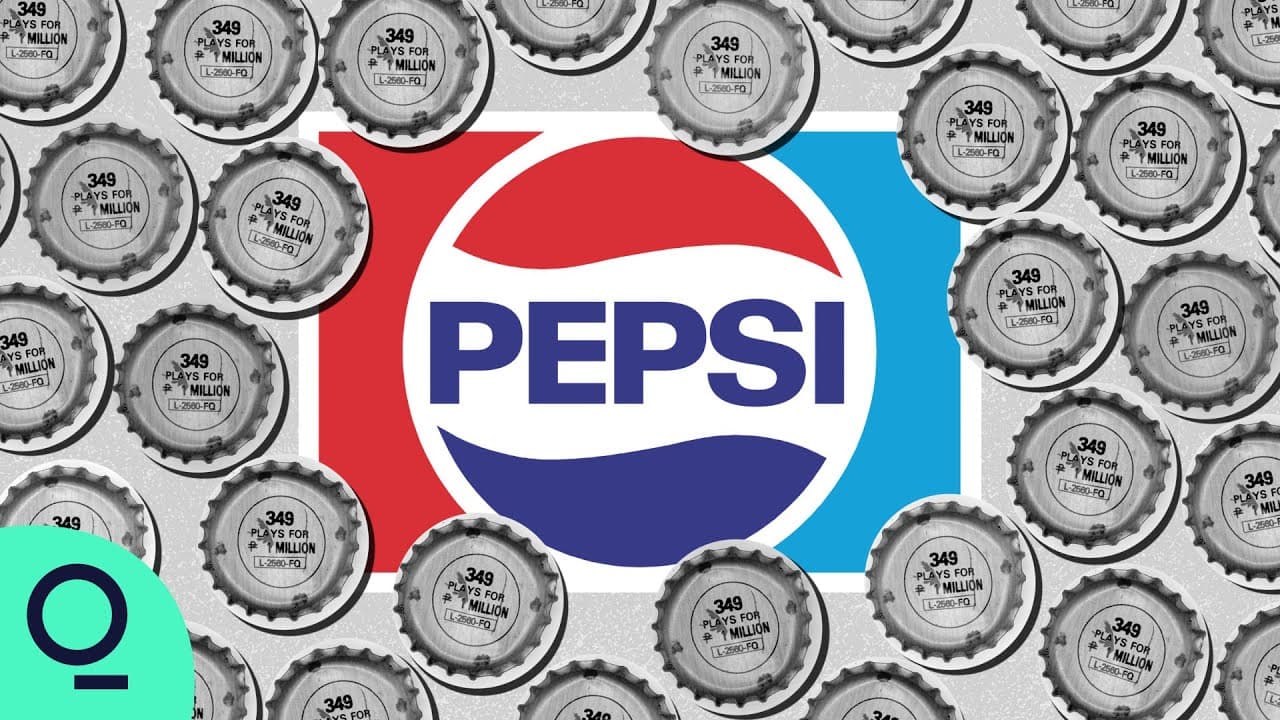
Pepsi's 'Number Fever' campaign in the Philippines went awry due to a printing error, leading to widespread chaos, riots, and even deaths. The campaign initially aimed to boost sales by offering cash prizes but inadvertently printed too many winning caps. This mistake led to massive public unrest and legal battles, severely damaging Pepsi's reputation in the country.
Transcript
pepsi's number fever campaign in the philippines has probably gone down in history as one of the biggest marketing disasters in history mainly because of a human error that led pepsi to print more winning caps than they planned the resulting chaos caused riots civil unrest and even deaths reporting this story took over a year and it resulted in me ... Read More
Key Insights
- Pepsi's 'Number Fever' campaign promised cash prizes to boost sales in the Philippines.
- A printing error led to over 600,000 winning caps being distributed, causing chaos.
- The average monthly income in the Philippines was about $100, making the million-peso prize highly enticing.
- The campaign resulted in riots, injuries, and the deaths of at least five people.
- Pepsi attempted to resolve the issue by offering small compensation, which was largely rejected.
- There were allegations that Pepsi orchestrated violence to frame protest leaders.
- Legal battles ensued, with over 800 winners suing Pepsi for millions of dollars.
- Pepsi's reputation in the Philippines suffered long-term damage, with many avoiding the brand.
Install to Summarize YouTube Videos and Get Transcripts
Explore YouTube Video Summarizer or Get YouTube Transcript Extractor
Questions & Answers
Q: How did the Pepsi 'Number Fever' campaign lead to chaos in the Philippines?
The Pepsi 'Number Fever' campaign led to chaos due to a printing error that resulted in over 600,000 winning caps being distributed. This mistake made thousands believe they had won substantial cash prizes, leading to riots, injuries, and deaths as people demanded their winnings. Pepsi's attempts to compensate with small payments were rejected, causing further unrest and legal battles.
Q: What were the socio-economic conditions in the Philippines during the Pepsi campaign?
During the Pepsi campaign, the Philippines had a low average monthly income of about $100, making the million-peso prize extremely attractive. This economic disparity contributed to the massive public interest in the campaign and the subsequent unrest when the error was discovered. The socio-economic conditions amplified the impact of the campaign's failure, leading to widespread chaos.
Q: What legal actions were taken against Pepsi after the 'Number Fever' fiasco?
After the 'Number Fever' fiasco, legal actions included over 800 winners suing Pepsi for millions of dollars. Vicente del Fierro, a local preacher, led the legal charge, representing the winners in both Filipino and American courts. Arrest warrants were issued for Pepsi executives, and the legal battles highlighted the severe backlash against Pepsi's mishandling of the campaign.
Q: How did Pepsi attempt to resolve the issue with the 'Number Fever' campaign?
Pepsi attempted to resolve the issue by offering small token compensations to those with winning caps. However, these offers were largely rejected by the public, who demanded the promised million-peso prize. Pepsi also faced allegations of orchestrating violence to frame protest leaders, further complicating their efforts to mitigate the situation and restore their reputation.
Q: What impact did the 'Number Fever' disaster have on Pepsi's reputation in the Philippines?
The 'Number Fever' disaster severely damaged Pepsi's reputation in the Philippines. The chaos, violence, and legal battles associated with the campaign left a lasting negative impression. Many Filipinos, especially those affected by the fiasco, avoided the brand, and Pepsi became a taboo word for some. The incident highlighted the risks of marketing errors and their potential to cause significant brand harm.
Q: Were there any allegations of misconduct by Pepsi during the 'Number Fever' campaign?
Yes, there were allegations that Pepsi engaged in misconduct by orchestrating violence to frame protest leaders. Reports suggested that Pepsi paid individuals to incite riots and cause trouble outside their plants. These allegations, although denied by Pepsi, contributed to the controversy and public distrust, exacerbating the backlash against the company during the 'Number Fever' campaign.
Q: What role did Vicente del Fierro play in the legal battle against Pepsi?
Vicente del Fierro, a local preacher, played a crucial role in the legal battle against Pepsi by organizing over 800 winners of the 'Number Fever' campaign to sue the company. He represented them in both Filipino and American courts, seeking justice for the mishandling of the campaign. Del Fierro's efforts highlighted the public's demand for accountability and compensation from Pepsi.
Q: How did the 'Number Fever' campaign affect Pepsi's sales and market position?
The 'Number Fever' campaign initially boosted Pepsi's sales, but the subsequent fiasco led to a significant decline. The chaos and negative publicity surrounding the campaign caused Pepsi's sales to dip, and they were overtaken by Coca-Cola in the market. The long-term impact included a damaged brand image and reduced consumer trust, affecting Pepsi's market position in the Philippines.
Summary & Key Takeaways
-
Pepsi's 'Number Fever' campaign in the Philippines promised substantial cash prizes to boost sales. However, a printing error led to over 600,000 winning caps, causing widespread chaos. The campaign resulted in riots, injuries, and deaths, severely damaging Pepsi's reputation in the country.
-
The Philippines' socio-economic conditions made the million-peso prize highly attractive. This led to massive public unrest when the error was discovered. Legal battles ensued, with over 800 winners suing Pepsi for millions. The incident left a lasting negative impact on Pepsi's brand image.
-
Pepsi's attempts to resolve the issue with small compensations were rejected by the public. Allegations arose that Pepsi orchestrated violence to frame protest leaders. Despite their efforts, Pepsi's reputation suffered, with many Filipinos avoiding the brand due to the traumatic experience.
Read in Other Languages (beta)
Share This Summary 📚
Summarize YouTube Videos and Get Video Transcripts with 1-Click
Try YouTube Summary with ChatGPT & Claude or YouTube Transcript Generator
Explore More Summaries from Bloomberg Originals 📚


Summarize YouTube Videos and Get Video Transcripts with 1-Click
Try YouTube Summary with ChatGPT & Claude or YouTube Transcript Generator