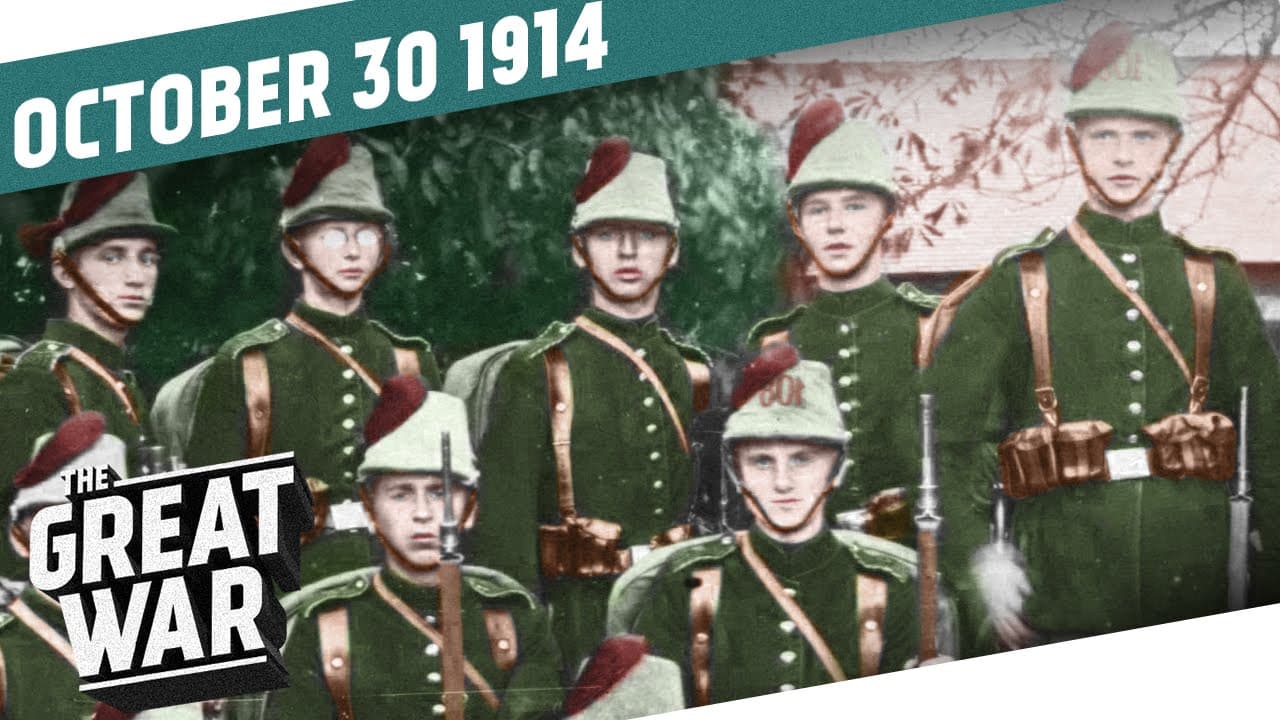
Fresh Meat - The Search For New Recruits I THE GREAT WAR - Week 14
TL;DR
Nations resorted to untrained recruits as WWI casualties mounted.
Transcript
October 30, 1914. In the last three months and two days since the Austro-Hungarian Empire declared war on Serbia, hundreds of thousands of men have died violently in battle. These men were the professional or trained conscript armies of Europe, but with their passing and with no end of the war in sight, the warring nations were now forced to send u... Read More
Key Insights
- The Austro-Hungarian Empire's declaration of war on Serbia led to massive casualties, forcing nations to enlist untrained recruits, including teenagers and middle-aged men, to sustain the war effort.
- The Battle of Ypres saw German recruits face heavy losses due to their inexperience against the well-trained British forces, highlighting the tragic impact of sending unprepared soldiers into battle.
- Belgium's strategic flooding of the countryside thwarted German advances, solidifying King Albert's status as a national hero and securing the allied left flank.
- The British regular army, initially mocked for its small size, demonstrated its effectiveness but suffered severe losses, leading to a shift towards conscription to replenish dwindling numbers.
- Russia's reinforcement with troops from Siberia and Central Asia helped turn the tide against the Germans, forcing a retreat from their attack on Warsaw.
- Austria faced significant challenges, including ammunition shortages, cholera outbreaks, and Slavic soldiers defecting to join the Russians, weakening their military efforts.
- The Ottoman Empire's entry into the conflict with attacks on Russian ports introduced a new front, complicating the war dynamics for the Russians.
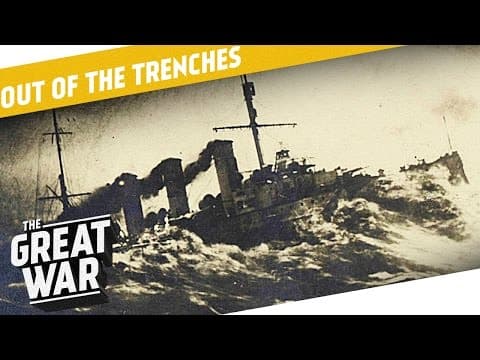
- Naval warfare saw notable incidents, including the sinking of the British super dreadnought Audacious and the German cruiser Emden's raids, impacting morale and strategic positions.
Install to Summarize YouTube Videos and Get Transcripts
Explore YouTube Video Summarizer or Get YouTube Transcript Extractor
Questions & Answers
Q: What was the impact of the Austro-Hungarian Empire's declaration of war on Serbia?
The Austro-Hungarian Empire's declaration of war on Serbia marked the beginning of World War I, leading to widespread conflict across Europe. Within three months, hundreds of thousands of soldiers had died, necessitating the recruitment of untrained men, including teenagers, to replace the fallen and sustain the war effort.
Q: How did Belgium manage to halt the German advance?
Belgium managed to halt the German advance by strategically flooding its countryside. This was achieved by opening the lock gates at Nieuport, which inundated the land with seawater, creating an impassable barrier that forced the Germans to withdraw. This action secured the allied left flank and solidified King Albert's status as a national hero.
Q: What challenges did the British regular army face during the early months of WWI?
During the early months of WWI, the British regular army, though initially mocked for its small size, proved its effectiveness in battle. However, it faced severe losses, with battalions significantly depleted. This necessitated a shift towards conscription to replenish its ranks, marking the end of the fully professional British army era.
Q: How did Russia turn the tide against the Germans on the Eastern Front?
Russia turned the tide against the Germans on the Eastern Front by reinforcing its military with troops from Siberia and Central Asia. These reinforcements arrived over two weeks, providing the necessary manpower to counter the German advances, leading to a Russian victory at the Battle of Warsaw and forcing a German retreat.
Q: What issues weakened the Austrian military efforts during this period?
The Austrian military faced several issues that weakened its efforts, including severe ammunition shortages, with artillery rations limited to four shells per day. Additionally, a cholera outbreak killed thousands and led to soldiers faking symptoms to avoid the front lines, while Slavic soldiers defected to join the Russians, further depleting their forces.
Q: What was the significance of the Ottoman Empire's entry into the war?
The Ottoman Empire's entry into the war was significant as it opened a new front for Russia, complicating its military strategy. The Ottoman Imperial navy's bombing of Russian ports on the Black Sea introduced a third empire for Russia to contend with, adding to the challenges already posed by the German and Austrian forces.
Q: What notable naval incidents occurred during this week of the war?
Notable naval incidents during this week included the sinking of the British super dreadnought Audacious by a German mine, which was a blow to the British Fleet. Additionally, the German cruiser Emden raided allied ships at Penang, sinking a Russian cruiser and a French destroyer before continuing its raiding adventures for several more days.
Q: How did the term 'no-man's land' come to be during this period?
The term 'no-man's land' emerged during this period to describe the space between rival trenches. It became a defining feature of trench warfare, representing the dangerous and often deadly area soldiers had to traverse during assaults. The term encapsulated the desolate and perilous nature of the battlefield in World War I.
Summary & Key Takeaways
-
The early months of World War I saw massive casualties, leading nations to recruit untrained soldiers, including teenagers, to sustain their military efforts. This period was marked by significant battles, such as Ypres, where inexperienced German recruits faced devastating losses against seasoned British troops.
-
Belgium's strategic flooding of its countryside successfully halted German advances, securing the allied left flank and elevating King Albert to national hero status. Meanwhile, the British army, despite its initial small size, proved its effectiveness but faced severe losses, prompting a shift towards conscription.
-
Austria struggled with ammunition shortages, cholera, and defection issues, weakening its military capabilities. The Ottoman Empire's attacks on Russian ports opened a new front, complicating the war for Russia, as naval incidents like the sinking of Audacious highlighted the ongoing maritime conflict.
Read in Other Languages (beta)
Share This Summary 📚
Summarize YouTube Videos and Get Video Transcripts with 1-Click
Try YouTube Summary with ChatGPT & Claude or YouTube Transcript Generator
Explore More Summaries from The Great War 📚

Summarize YouTube Videos and Get Video Transcripts with 1-Click
Try YouTube Summary with ChatGPT & Claude or YouTube Transcript Generator