Romania Joins The War I THE GREAT WAR Week 110
TL;DR
Romania joins WWI, expanding the conflict further.
Transcript
Impossible as it may seem, the war is getting even larger. This week yet another front opened in Southeastern Europe as Romania joined the war. I’m Indy Neidell; welcome to the Great War. Last week at the Somme, the French completed the capture of Maurepas, the Bulgarians were stopped in Macedonia and the Russians in the Carpathians, while other Ru... Read More
Key Insights
- Romania joined World War I on August 27, 1916, declaring war on the Austro-Hungarian Empire, aiming to gain Transylvanian territory.
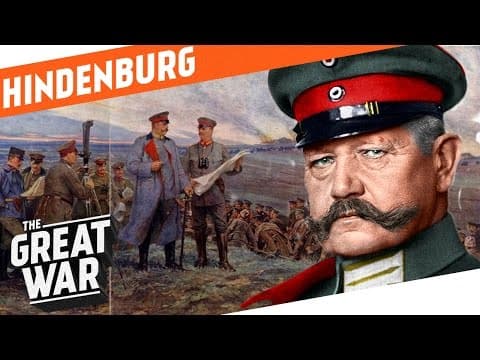
- The German High Command experienced significant changes, with Erich von Falkenhayn replaced by Paul von Hindenburg as Chief of Staff, and Erich Ludendorff as Quartermaster General.
- Hindenburg and Ludendorff initiated the Hindenburg Programme, focusing on increasing artillery and machine gun production and remobilizing the German army.
- Romania's entry into the war was driven by the success of the Russian offensive against Austria, although the Romanian army was poorly equipped and inadequately prepared.
- Despite being a large army on paper, Romania lacked machine guns, artillery, and sufficient munitions, relying on Russia for supplies.
- The Allies had a secret agreement with Romania promising territorial gains, but France and Russia had no intention of honoring it.
- Romania faced a daunting challenge as Germany and Austria-Hungary, led by generals Falkenhayn and Mackensen, prepared to attack from multiple fronts.
- Romania's decision to join the war was seen as a strategic mistake, with limited support from allies and a vulnerable military position.
Install to Summarize YouTube Videos and Get Transcripts
Explore YouTube Video Summarizer or Get YouTube Transcript Extractor
Questions & Answers
Q: Why did Romania decide to join World War I?
Romania joined World War I on August 27, 1916, primarily to gain Transylvanian territory, where a significant number of ethnic Romanians lived under Austro-Hungarian rule. The decision was influenced by the Russian offensive's success against Austria, which seemed to promise support and potential territorial gains for Romania.
Q: What changes occurred in the German High Command during this period?
During this period, the German High Command underwent significant changes. Erich von Falkenhayn was replaced as Chief of Staff by Paul von Hindenburg, with Erich Ludendorff becoming Quartermaster General. This leadership change marked a shift in strategic focus, with Hindenburg and Ludendorff initiating the Hindenburg Programme to increase military production and remobilize the German army.
Q: What was the Hindenburg Programme?
The Hindenburg Programme was an initiative led by Paul von Hindenburg and Erich Ludendorff to remobilize the German army and increase military production. It aimed to triple artillery and machine gun production and double trench mortar production by May 1917, in preparation for expected Allied offensives. The programme involved heavy interference in German industry and centralized war economy management.
Q: How was Romania's military situation at the time of joining the war?
Romania's military situation was challenging when they joined the war. Although the Romanian army was large on paper, it was poorly equipped, lacking machine guns, artillery, and sufficient munitions. They had only a six-week supply of munitions and relied on Russia for additional supplies, which was complicated by different railway gauges and limited connections.
Q: What was the secret treaty between Romania and the Allies?
The secret treaty between Romania and the Allies, signed on August 17, 1916, promised Romania territorial gains, including Transylvania, Bukovina, Southern Galicia, and part of Hungary, upon victory. However, France and Russia secretly agreed not to honor this deal, making the treaty essentially a strategic deception to secure Romania's entry into the war.
Q: What challenges did Romania face from the Central Powers?
Romania faced significant challenges from the Central Powers, as Germany and Austria-Hungary prepared to attack from multiple fronts. The Germans, led by generals Erich von Falkenhayn and August von Mackensen, coordinated attacks from the north and south, respectively, with Bulgarian support. Romania's poorly equipped army was at a strategic disadvantage against these well-prepared forces.
Q: How did the Allies perceive Romania's entry into the war?
The Allies, particularly Russian generals Brusilov and Alexeyev, viewed Romania's entry into the war as more of a liability than an asset. Despite Romania's large army, it was poorly equipped and inadequately prepared for the conflict. The Allies had hoped Romania would attack Bulgaria, but instead, they moved into Hungary, complicating the strategic situation.
Q: What was the reaction of the German leadership to Romania's entry into the war?
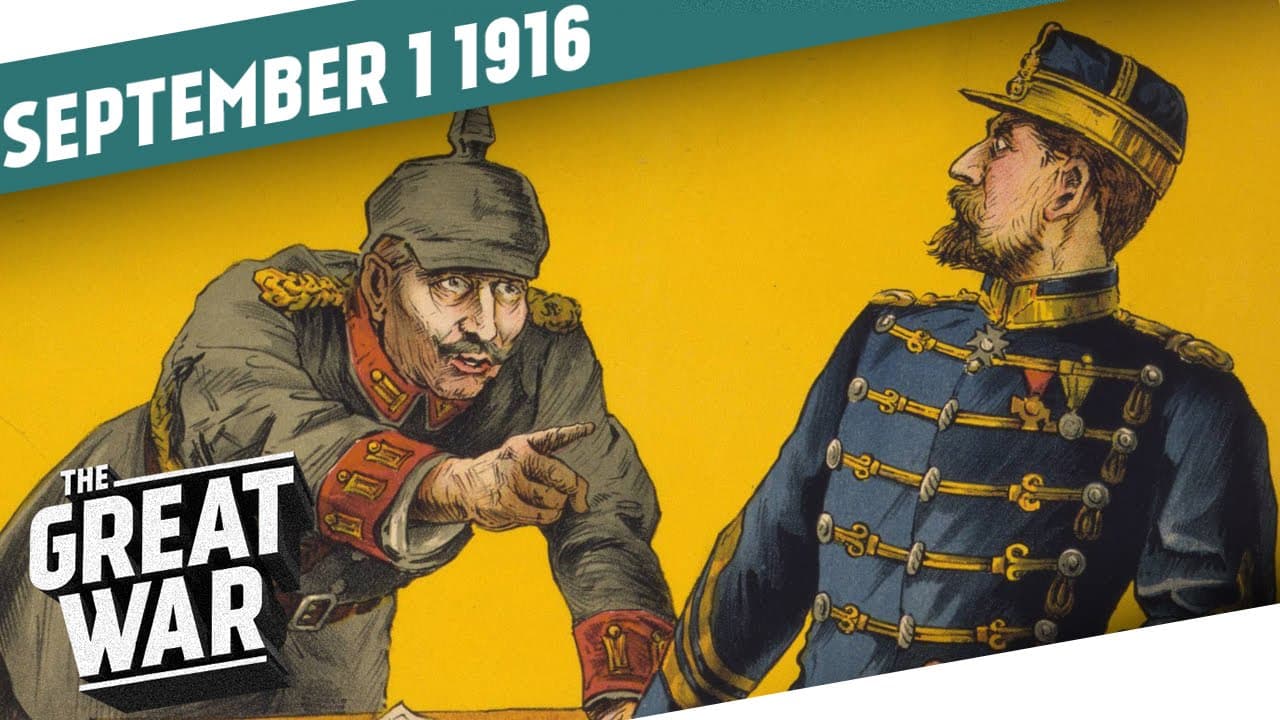
The German leadership, particularly Kaiser Wilhelm, initially panicked when Romanian troops crossed into Austro-Hungarian territory, with the Kaiser exclaiming, 'the war is lost!' However, the German High Command quickly organized a strategic response, sending experienced generals and troops to counter Romania's advances and secure the Central Powers' position.
Summary & Key Takeaways
-
Romania entered World War I, seeking territorial gains, but faced a tough challenge against well-prepared German and Austro-Hungarian forces. The Romanian army was poorly equipped, and their strategic position was weak, leading to a difficult military campaign.
-
Significant changes occurred in the German High Command, with Hindenburg and Ludendorff taking key roles. They initiated the Hindenburg Programme to remobilize the German army and increase military production, aiming to counter the Allies' advances.
-
Romania's entry into the war was influenced by the Russian offensive's success, but the Allies' secret treaty with Romania was made in bad faith. Despite initial advances, Romania's military shortcomings and strategic errors led to a challenging campaign.
Read in Other Languages (beta)
Share This Summary 📚
Summarize YouTube Videos and Get Video Transcripts with 1-Click
Try YouTube Summary with ChatGPT & Claude or YouTube Transcript Generator
Explore More Summaries from The Great War 📚
Summarize YouTube Videos and Get Video Transcripts with 1-Click
Try YouTube Summary with ChatGPT & Claude or YouTube Transcript Generator