How Did Revolution Impact Germany in WWI?
TL;DR
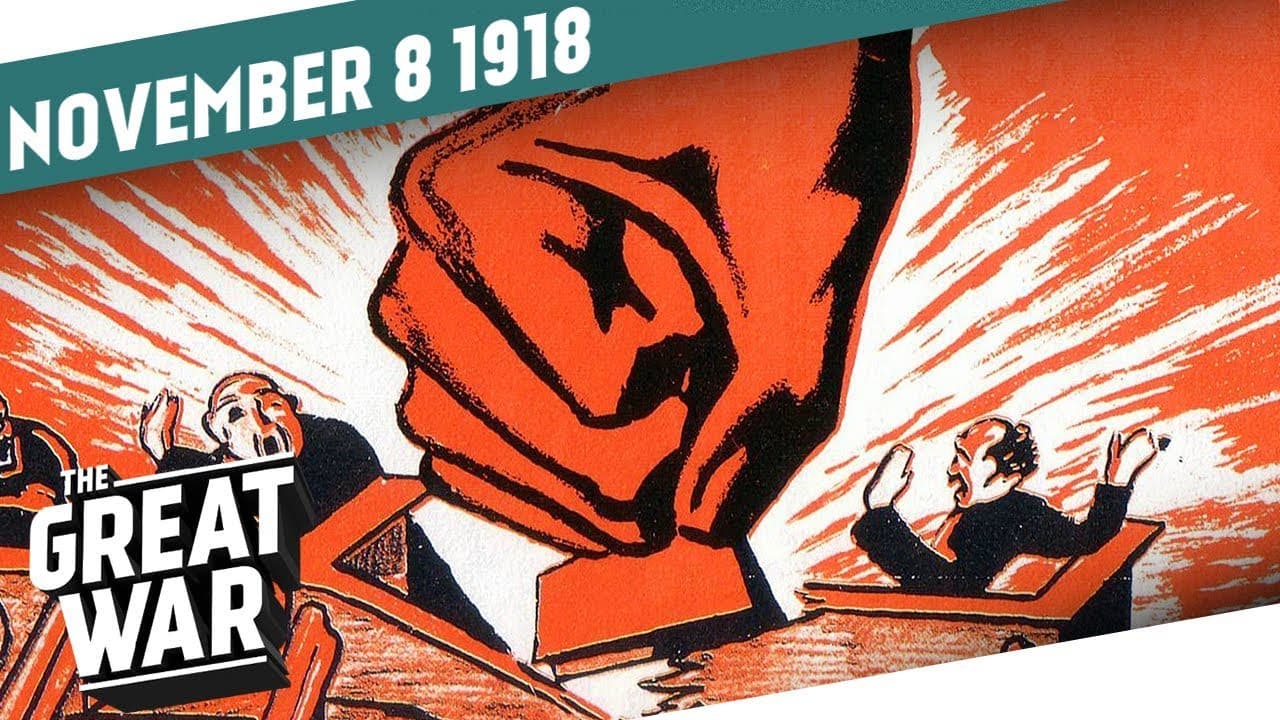
Austria-Hungary signs an armistice with the Allies, leaving Germany isolated in World War I. Meanwhile, revolution erupts in Germany, with naval mutinies and widespread unrest threatening the stability of the German Empire. As Germany faces internal chaos, Allied forces continue to advance on the Western Front, pushing Germany closer to seeking an armistice.
Transcript
What happens this week? Well, Austria-Hungary signs an armistice with the Allies, leaving Germany alone in the fight. If you think that was bad enough for Germany, this week also sees... revolution in Germany! I’m Indy Neidell; welcome to the Great War. Last week the Ottoman Empire signed an armistice and for them the active war was over. The Itali... Read More
Key Insights
- Austria-Hungary signed an armistice with the Allies, effectively ending its participation in World War I.
- The Italian offensive captured significant territory and prisoners from Austria-Hungary before the armistice.
- Germany faced revolution as sailors and soldiers mutinied, demanding peace and bread.
- The German High Command was pressured to seek an armistice as internal unrest grew.
- Allied forces advanced on the Western Front, with significant gains made by American, British, and French troops.
- The Allies feared prolonged war could lead to American dominance in peace negotiations.
- German armistice delegates began negotiations with the Allies under tense conditions.
- The revolution in Germany was driven by war fatigue, economic hardship, and political instability.
Install to Summarize YouTube Videos and Get Transcripts
Explore YouTube Video Summarizer or Get YouTube Transcript Extractor
Questions & Answers
Q: How did Austria-Hungary's armistice affect Germany in WWI?
Austria-Hungary's armistice with the Allies left Germany isolated in World War I, as it was now the sole major Central Power still actively fighting. This development weakened Germany's strategic position and increased pressure on the German government to seek peace, especially as internal unrest and revolution began to threaten the stability of the German Empire.
Q: What role did naval mutinies play in the German revolution?
Naval mutinies played a critical role in the German revolution by highlighting widespread discontent among military personnel. The mutiny in Kiel, where sailors raised the red banner and demanded peace and bread, sparked broader revolutionary actions across Germany. This unrest undermined military discipline and demonstrated the growing opposition to the war and the ruling elite, accelerating the push for an armistice.
Q: What were the key factors leading to the revolution in Germany?
The revolution in Germany was driven by several key factors, including war fatigue, economic hardship, and political instability. The prolonged conflict and heavy casualties eroded public support for the war, while food shortages and economic struggles fueled discontent. Additionally, the failure of the ruling elite to address these issues effectively led to widespread calls for change and ultimately revolution.
Q: How did the Allies advance on the Western Front in late 1918?
In late 1918, Allied forces, including American, British, and French troops, launched significant offensives on the Western Front. The Americans broke through German lines with artillery and mustard gas, while the British and French captured key territories and took thousands of prisoners. These advances contributed to the overall weakening of German defenses and increased pressure on Germany to seek an armistice.
Q: Why were the Allies eager to end the war quickly?
The Allies were eager to end the war quickly to prevent the United States from gaining too much influence in postwar negotiations. With American troops arriving in large numbers, there was concern that prolonged conflict would lead to American dominance in shaping peace terms. Additionally, the Allies wanted to capitalize on their recent military successes and avoid further casualties.
Q: What challenges did German armistice delegates face?
German armistice delegates faced numerous challenges, including tense negotiations with the Allies and internal pressure from the revolutionary situation in Germany. The delegation, led reluctantly by Matthias Erzberger, had to navigate a complex political landscape while dealing with the Allies' demands. The journey to the negotiation site was deliberately indirect, adding to the stress and uncertainty of the situation.
Q: How did internal unrest impact Germany's military strategy?
Internal unrest significantly impacted Germany's military strategy by undermining morale and discipline within the armed forces. The mutinies and revolutionary sentiments spread among troops, leading to a loss of confidence in the military leadership. This instability forced the German High Command to prioritize seeking an armistice to prevent further deterioration and potential collapse of the military structure.
Q: What were the implications of the revolution for the German Empire?
The revolution had profound implications for the German Empire, signaling the collapse of the existing political order. The widespread unrest and calls for change led to the abdication of the Kaiser and the establishment of a new government. This upheaval marked the end of imperial rule and paved the way for the eventual signing of an armistice, fundamentally altering Germany's political landscape.
Summary & Key Takeaways
-
Austria-Hungary's armistice with the Allies marks a significant turning point, isolating Germany in the war. The Italian army's offensive captured large territories and prisoners, contributing to the collapse of the Austro-Hungarian Empire. Meanwhile, internal unrest in Germany escalated, with naval mutinies and revolutionary sentiments spreading rapidly.
-
Germany faced a dire situation as revolution swept through the nation, fueled by war fatigue and economic hardship. The German High Command, recognizing the gravity of the situation, began seeking an armistice. Allied forces continued their advance, with American, British, and French troops making significant gains on the Western Front.
-
The Allies were eager to end the war quickly to avoid American dominance in postwar negotiations. German delegates began armistice talks under tense conditions, while internal chaos threatened the stability of the German Empire. The revolution in Germany underscored the growing discontent with the war and the ruling elite.
Read in Other Languages (beta)
Share This Summary 📚
Summarize YouTube Videos and Get Video Transcripts with 1-Click
Try YouTube Summary with ChatGPT & Claude or YouTube Transcript Generator
Explore More Summaries from The Great War 📚

Summarize YouTube Videos and Get Video Transcripts with 1-Click
Try YouTube Summary with ChatGPT & Claude or YouTube Transcript Generator