Why Smartphones Stopped Being Cool
TL;DR
Smartphone innovation is slowing, impacting sales and market growth.
Transcript
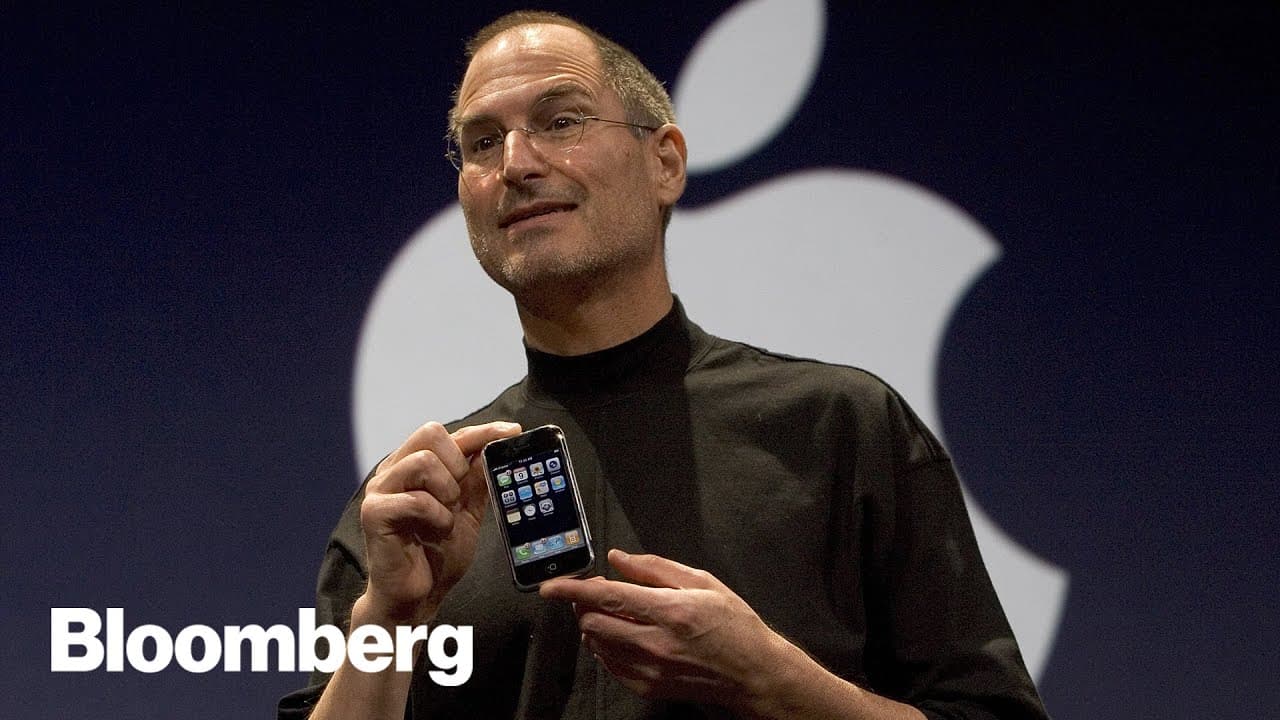
Smartphones have altered our daily life so much that many don’t remember life before them. There are an estimated 3 billion smartphone users worldwide. Over the past decade, we’ve seen phones get larger, faster and loaded with more features like fingerprint technology, improved cameras and digital assistants. But the pace of innovation is slowing. ... Read More
Key Insights
- Smartphone innovation has plateaued, leading to a decline in sales and market saturation in key regions like China.
- The introduction of 4G networks significantly boosted smartphone capabilities, but similar leaps have not been seen recently.
- Foldable screens are being explored as a potential innovation, but current technology faces durability challenges.
- Samsung and Huawei are leading the foldable phone market with different design approaches, but early models have faced setbacks.
- 5G technology promises faster speeds and supports emerging tech, but geopolitical issues may delay its widespread adoption.
- The success of 5G could enable advancements in areas like driverless cars and the Internet of Things, requiring robust data networks.
- Consumer upgrade decisions are influenced by multiple factors; single innovations may not be enough to drive sales.
- Manufacturers are seeking ways to encourage new usage patterns to justify the cost of smartphone upgrades to consumers.
Install to Summarize YouTube Videos and Get Transcripts
Explore YouTube Video Summarizer or Get YouTube Transcript Extractor
Questions & Answers
Q: Why are smartphone sales declining?
Smartphone sales are declining due to a slowdown in innovation and market saturation in key areas like China. Consumers are not seeing the same level of groundbreaking advancements that previously drove upgrades, leading to decreased excitement and a longer replacement cycle for devices.
Q: What role does 5G play in the future of smartphones?
5G technology is expected to play a significant role in the future of smartphones by providing faster download speeds and supporting emerging technologies like the Internet of Things and autonomous vehicles. However, its rollout may be slowed by geopolitical and security concerns, impacting its immediate influence on the market.
Q: What challenges do foldable phones face?
Foldable phones face challenges related to durability and design. Early models, like Samsung's Galaxy Fold, experienced issues with screen failures, highlighting the need for more robust technology. Different design approaches, such as inward versus outward folding, also present unique challenges and potential solutions.
Q: How did 4G impact the smartphone market?
The introduction of 4G networks dramatically impacted the smartphone market by enabling faster data speeds and more sophisticated device capabilities. This technological leap contributed to a surge in smartphone sales and usage, allowing consumers to engage in new activities like streaming and advanced app usage.
Q: What strategies are manufacturers using to boost smartphone sales?
Manufacturers are exploring new technologies like foldable screens and 5G to boost smartphone sales. They are also focusing on creating new usage patterns and experiences to entice consumers to upgrade. This includes improving device capabilities and integrating emerging technologies that require robust data networks.
Q: Why is market saturation a concern for smartphone manufacturers?
Market saturation is a concern because it limits the potential for new customer acquisition, particularly in regions where most consumers already own smartphones. This saturation means manufacturers must rely on existing customers upgrading their devices, a challenge when innovation is not driving frequent upgrades.
Q: What are the potential benefits of 5G beyond smartphones?
Beyond smartphones, 5G has the potential to revolutionize several industries by enabling technologies like autonomous vehicles and the Internet of Things. Its high-speed data capabilities allow for seamless connectivity, supporting complex systems and applications that require real-time data processing and communication.
Q: How do consumer usage patterns affect smartphone sales?
Consumer usage patterns significantly affect smartphone sales as they dictate the demand for new features and upgrades. If consumers do not see substantial benefits or new applications for their devices, they are less likely to invest in newer models, impacting overall sales and market growth.
Summary & Key Takeaways
-
Smartphones have become integral to daily life, but innovation has slowed, leading to declining sales and market saturation. Companies are exploring new technologies like foldable screens and 5G to reignite consumer interest. However, these innovations face technical and geopolitical challenges that may hinder their success.
-
The smartphone market saw significant growth with the advent of 4G, but similar advancements have not occurred recently. Foldable screens offer potential, but early models have faced issues. Meanwhile, 5G promises faster speeds and supports other technologies, though its rollout could be delayed by geopolitical factors.
-
Consumer behavior is critical to the smartphone market's future. Past growth was driven by multiple improvements, and manufacturers must find ways to encourage new usage patterns. As 5G and foldable technology develop, companies aim to offer compelling reasons for consumers to upgrade their devices.
Read in Other Languages (beta)
Share This Summary 📚
Summarize YouTube Videos and Get Video Transcripts with 1-Click
Try YouTube Summary with ChatGPT & Claude or YouTube Transcript Generator
Explore More Summaries from Bloomberg Originals 📚





Summarize YouTube Videos and Get Video Transcripts with 1-Click
Try YouTube Summary with ChatGPT & Claude or YouTube Transcript Generator