Falkenhayn Crosses The Carpathians - The Battle of Sibiu I THE GREAT WAR Week 114
TL;DR
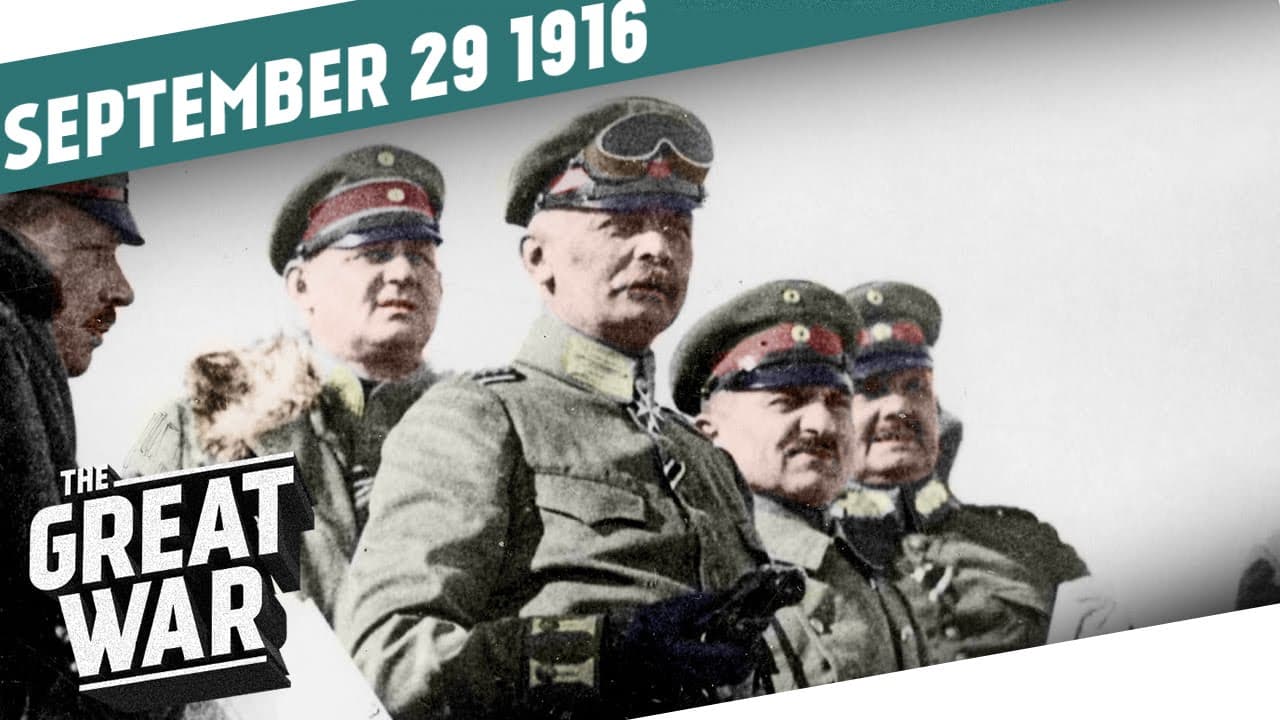
Falkenhayn leads German forces across Carpathians into Romania.
Transcript
There have been generals in the past who have famously crossed high mountains with their troops to meet the enemy. Hannibal crossed the Alps, Bolivar crossed the Andes, and this week, there was another name to add to that list. This week, Falkenhayn crossed the Carpathians. I'm Indy Neidell. Welcome to the Great War. I'm sitting here in a hotel in ... Read More
Key Insights
- Falkenhayn led German forces across the Carpathians into Transylvania, marking a significant advance against Romanian troops.
- The British, despite high casualties, made notable advances at the Somme, utilizing tanks in combat.
- Romania, newly allied with the Entente, faced significant challenges as it fought against Central Powers on its territory.
- The British employed creeping barrage tactics effectively, although coordination issues and weather hampered their efforts.
- The value of tanks in warfare was demonstrated at the Somme, despite mechanical failures and strategic missteps.
- Romania's entry into the war was poorly timed, leading to battles on multiple fronts against a reinforced enemy.
- Greek volunteers joined the Allies, marking a shift in regional dynamics on the Macedonian Front.
- Zeppelin raids on England continued, causing civilian casualties and demonstrating the ongoing threat from the air.
Install to Summarize YouTube Videos and Get Transcripts
Explore YouTube Video Summarizer or Get YouTube Transcript Extractor
Questions & Answers
Q: What was Falkenhayn's role in the events described?
Erich von Falkenhayn, after being dismissed as Chief-of-Staff, was tasked with leading the combined Austro-German forces into Romania. He successfully crossed the Carpathian Mountains into Transylvania, capturing key positions and overcoming Romanian resistance, marking a significant German advance in the region.
Q: How did the British utilize tanks at the Somme?
The British employed tanks at the Somme to support their infantry advances. Despite some mechanical failures and strategic missteps, such as timing issues with artillery support, the tanks demonstrated their potential by overcoming German defenses and aiding in capturing strategic positions, significantly impacting the battle's outcome.
Q: What challenges did Romania face upon entering the war?
Romania faced significant challenges upon joining the war, including being attacked on multiple fronts by the Central Powers. The country had hoped for Russian support and underestimated Bulgaria's involvement, leading to battles on its own territory and highlighting the difficulties of its strategic position and timing.
Q: What tactics did the British employ at the Somme?
The British used creeping barrage tactics at the Somme, which involved a coordinated artillery bombardment advancing ahead of infantry to protect them. This tactic was generally successful, allowing British forces to make significant advances, although coordination issues and adverse weather conditions presented challenges.
Q: What role did Greek volunteers play on the Macedonian Front?
Greek volunteers, under French command, participated in the retaking of Florina, marking a significant involvement in the Allied efforts on the Macedonian Front. Their participation indicated a shift in regional dynamics and contributed to the pressure on Central Powers, despite Greece's official neutrality at the time.
Q: How did Zeppelin raids impact England?
Zeppelin raids on England resulted in civilian casualties and highlighted the ongoing aerial threat faced by the British. These raids caused deaths and injuries, increasing public fear and demonstrating the capability of the Central Powers to conduct long-range aerial attacks, despite some airships being shot down.
Q: What was the significance of the British advances at the Somme?
The British advances at the Somme were significant as they marked the most successful period of operations in the region, with notable territorial gains. Despite high casualties, the use of tanks and effective artillery tactics allowed the British to overcome strong German defenses, setting the stage for future operations.
Q: What were the consequences of Romania's miscalculations in the war?
Romania's miscalculations, including overestimating Russian support and underestimating Bulgarian involvement, led to severe consequences. The country found itself fighting on its own territory against a reinforced enemy, resulting in significant military and civilian hardships, and demonstrating the challenges of strategic planning in wartime.
Summary & Key Takeaways
-
Falkenhayn led a German advance into Transylvania, crossing the Carpathians and capturing Sibiu, overcoming Romanian defenses. The British, meanwhile, made strategic gains at the Somme, despite high casualties and logistical challenges.
-
Romania's entry into World War I proved difficult, as it faced attacks on multiple fronts from the Central Powers. The British utilized tanks in combat at the Somme, showcasing their potential despite operational challenges.
-
The British experienced mixed success at the Somme, with tanks playing a crucial role in overcoming German defenses. Zeppelin raids on England highlighted the ongoing aerial threat, while Greek volunteers joined the Allies on the Macedonian Front.
Read in Other Languages (beta)
Share This Summary 📚
Summarize YouTube Videos and Get Video Transcripts with 1-Click
Try YouTube Summary with ChatGPT & Claude or YouTube Transcript Generator
Explore More Summaries from The Great War 📚

Summarize YouTube Videos and Get Video Transcripts with 1-Click
Try YouTube Summary with ChatGPT & Claude or YouTube Transcript Generator