Give Me 28 Minutes And You'll Master the Art of Influence - Machiavelli
TL;DR
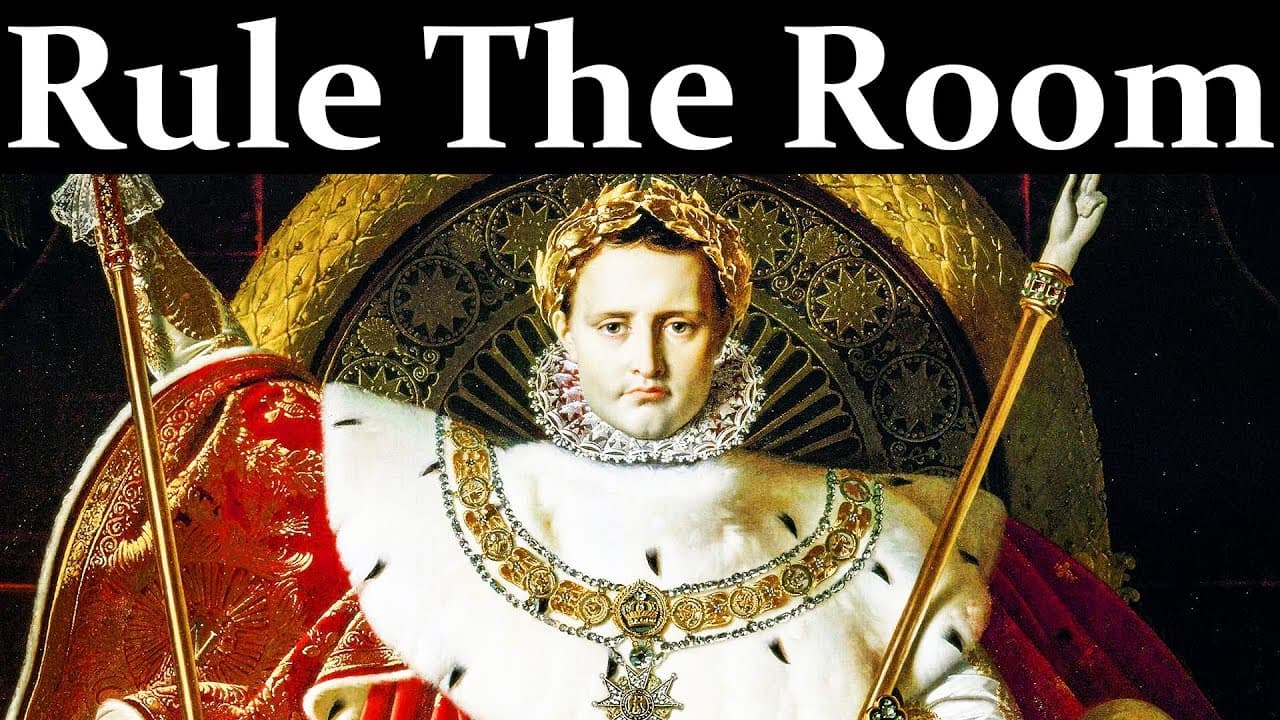
Influence is about controlling context, not people, using Machiavelli's strategies.
Transcript
Why is it that some people glide through life collecting allies, opportunities, and admiration without ever raising their voice? Why do others, smarter, more qualified, even better intentioned, struggle to be noticed, constantly explaining themselves, justifying their value, begging for recognition? The harsh truth is this. The world is not moved b... Read More
Key Insights
- Influence is not about being loud or persuasive; it's about controlling the context and environment where decisions are made, as Machiavelli emphasized.
- Real influence begins long before words are spoken; it involves structuring situations so that others feel their choices are voluntary.
- Scarcity increases value; by becoming rare and strategically distant, you make your presence more significant and desirable.
- Anticipating and solving problems before they arise makes you indispensable, as people are drawn to those who preemptively address their needs.
- Offering controlled choices leads others to outcomes that benefit you, creating an illusion of autonomy while guiding them to your goals.
- The most effective influence is invisible; if people sense they're being influenced, they resist, so influence should be subtle and undetected.
- Influence involves getting others to invest in your ideas, making them feel like co-creators, which secures their loyalty and commitment.
- Becoming indispensable means positioning yourself so that your absence creates imbalance, ensuring that systems rely on your presence.
Install to Summarize YouTube Videos and Get Transcripts
Explore YouTube Video Summarizer or Get YouTube Transcript Extractor
Questions & Answers
Q: What is the main principle behind Machiavelli's concept of influence?
The main principle is that influence is not about direct persuasion or control over people. Instead, it involves controlling the context and environment where decisions are made. By designing the circumstances in which choices are presented, you guide others to outcomes that align with your goals, often without them realizing it.
Q: How does scarcity contribute to influence according to the video?
Scarcity increases influence by making your presence more valuable. When you are less available, people perceive you as more significant and desirable. This strategic distance creates a sense of rarity, making others more likely to seek you out and value your contributions, as they see proximity to you as a privilege.
Q: Why is anticipation important in becoming influential?
Anticipation is crucial because it allows you to solve problems before they become apparent. By preemptively addressing needs, you position yourself as indispensable. People are naturally drawn to those who can foresee and prevent issues, making you a trusted and irreplaceable figure in their lives.
Q: What role does controlled choice play in Machiavellian influence?
Controlled choice involves presenting options that all lead to outcomes benefiting you. By curating choices, you create an illusion of autonomy, making others feel empowered while subtly guiding them to your desired result. This strategic freedom reduces resistance and ensures that decisions align with your objectives.
Q: How can one become indispensable according to Machiavelli's strategies?
To become indispensable, you must position yourself as a critical part of the system where your absence creates imbalance. This involves anticipating needs, solving problems proactively, and ensuring that your contributions are essential to the stability and success of the environment, making you a pillar others rely on.
Q: Why is invisible influence considered more powerful?
Invisible influence is more powerful because it operates without detection, reducing resistance. When people feel they are being influenced, they resist. By remaining undetected, you can guide decisions and shape outcomes subtly, maintaining control without triggering defensive reactions, making your influence more effective and lasting.
Q: What is the significance of making others invest in your ideas?
Making others invest in your ideas secures their loyalty and commitment. When people feel they have contributed to a vision, they become emotionally and psychologically invested. This sense of ownership makes them more likely to defend and promote the idea, believing it to be their own, which strengthens your influence.
Q: How does Machiavelli suggest handling visibility in influence?
Machiavelli suggests that influence should be invisible to avoid resistance. If people see your influence as overt, they are likely to push back. By staying in the background and subtly guiding decisions, you maintain control while allowing others to feel in charge, ensuring that your influence is both effective and sustainable.
Summary & Key Takeaways
-
Influence is about structuring environments and contexts to guide decisions, not through persuasion but through strategic design. Machiavelli's principles emphasize the power of invisible influence, where the most effective strategies operate subtly.
-
Scarcity and anticipation are key to influence. By becoming a rare presence and preemptively solving problems, you increase your significance and indispensability, ensuring that others are drawn to you naturally.
-
Offering controlled choices and making others feel like co-creators of ideas strengthens influence. The ultimate goal is to become indispensable, ensuring that systems depend on your presence and contributions.
Read in Other Languages (beta)
Share This Summary 📚
Summarize YouTube Videos and Get Video Transcripts with 1-Click
Try YouTube Summary with ChatGPT & Claude or YouTube Transcript Generator
Explore More Summaries from Psyphoria 📚




Summarize YouTube Videos and Get Video Transcripts with 1-Click
Try YouTube Summary with ChatGPT & Claude or YouTube Transcript Generator