Deportations - Strikes - Evacuations I OUT OF THE TRENCHES
TL;DR
Explores forced labor, strikes, and evacuations during WWI.
Transcript
I'm Indie nidel and this is out of the trenches where I sit here in the chair of wisdom and answer all your questions about the first world war okay haggy II writes on Twitter uh to what degree was captured territory by Germany used for production both military and civilian especially in northern France and what about agricultural industry industry... Read More
Key Insights
- Germany faced a labor shortage during WWI and attempted to use forced labor from occupied territories like Belgium and Poland to meet demands.
- Strikes were less common in Britain during WWI due to patriotic duty, but increased in Austria-Hungary and Russia as the war progressed.
- In Russia, strikes were often political and economically motivated, with a significant rise in 1917 leading to events like the women's march in Petrograd.
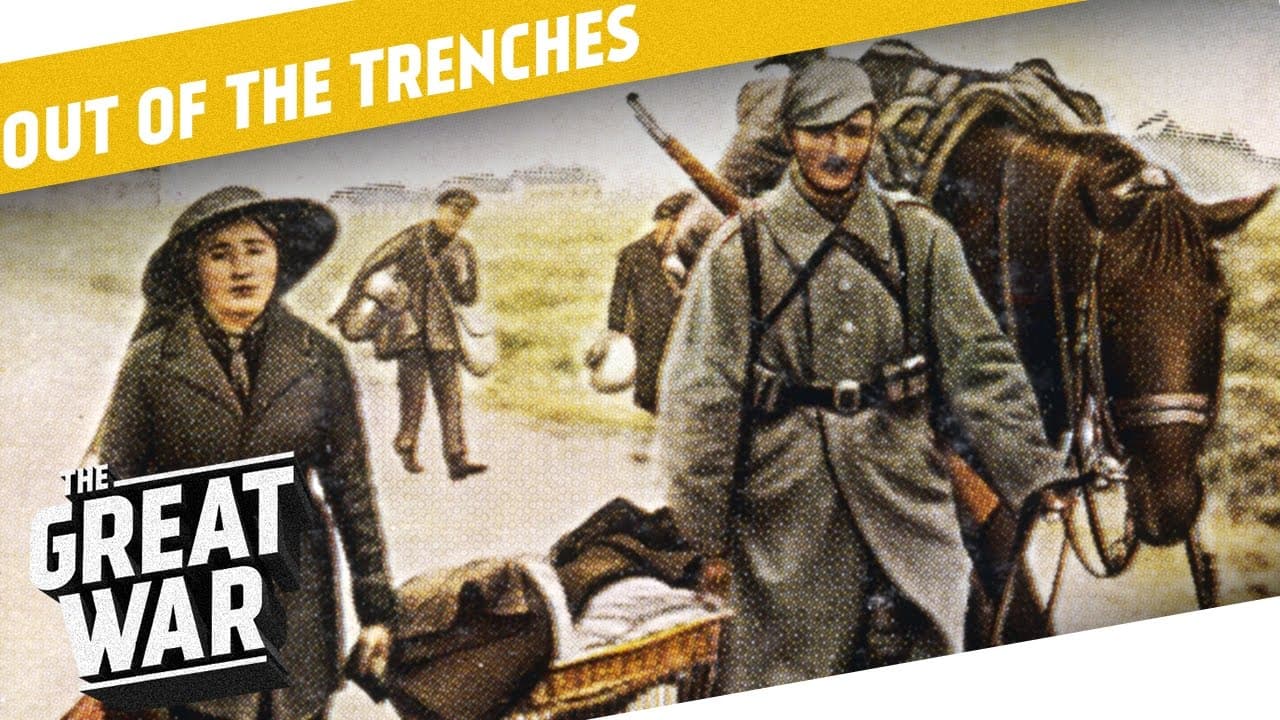
- Civilians were sometimes evacuated by governments during WWI, but many were left to fend for themselves, as seen in the German relocation of civilians in 1914.
- French civilians feared German occupation, leading to government efforts to prevent mass panic and exodus during the war.
- Russian scorched earth policies often forced civilians out of their homes to prevent them from being captured by advancing German forces.
- The Great War channel provides additional resources and insights into WWI, including behind-the-scenes content and community engagement.
- The project aims to cover WWI events in real-time, offering a comprehensive view of the war's impact on different fronts and societies.
Install to Summarize YouTube Videos and Get Transcripts
Explore YouTube Video Summarizer or Get YouTube Transcript Extractor
Questions & Answers
Q: How did Germany address labor shortages during WWI?
Germany addressed labor shortages during WWI by utilizing forced labor from occupied territories such as Belgium, Poland, and parts of Russia. The German government attempted to coerce unemployed individuals in these regions to work in factories, though with limited success. Additionally, forced labor was acquired in occupied territories like Romania between 1916 and 1918.
Q: What was the impact of strikes in Britain during WWI?
In Britain, strikes were less frequent during WWI compared to pre-war periods, as many workers viewed their labor as a patriotic duty. However, as the war progressed and economic conditions worsened, strikes did increase. Generally, union demands were met, mitigating the impact of strikes on the war effort.
Q: How did strikes in Russia differ from those in other countries during WWI?
Strikes in Russia during WWI were initially limited due to patriotic sentiment and fear of conscription. However, as the war progressed, strikes increased significantly, often driven by political motivations and economic grievances. Events like military defeats and political decisions triggered many strikes, particularly in Petrograd, contributing to the Russian Revolution.
Q: How were civilians affected by battles near their towns during WWI?
Civilians near battle zones during WWI were often left to fend for themselves, though some governments organized evacuations. For instance, Germany relocated 350,000 civilians in 1914 as the Russian army advanced. In France, civilians feared German atrocities, leading to government efforts to prevent mass panic and exodus.
Q: What role did forced labor play in German-occupied territories during WWI?
Forced labor played a significant role in German-occupied territories during WWI as Germany faced labor shortages. The German government coerced individuals in occupied regions to work in factories or confiscate agricultural produce for the military. This practice extended to territories occupied by Austria-Hungary and Bulgaria as well.
Q: What triggered the women's march in Petrograd in 1917?
The women's march in Petrograd in 1917 was triggered by severe food shortages in Russia, which were exacerbated by the ongoing war. The march marked a significant moment in the Russian Revolution, highlighting the intersection of economic hardship and political unrest that characterized much of the strike activity in Russia during WWI.
Q: How did the Great War project aim to educate the public about WWI?
The Great War project aimed to educate the public about WWI by covering events exactly 100 years after they occurred, providing a real-time narrative of the war. The project utilized unique archival materials and offered insights into the war's impact, encouraging public engagement through social media and community discussions.
Q: What were the challenges faced by the French government in managing civilian fears during WWI?
The French government faced challenges in managing civilian fears during WWI, particularly regarding potential German atrocities. To prevent mass panic and exodus, the French Minister of War banned newspapers from reporting on such stories. Despite these efforts, many civilians still feared bombardments and occupation, complicating government efforts to maintain order.
Summary & Key Takeaways
-
Germany utilized forced labor from occupied territories like Belgium and Poland during WWI due to labor shortages caused by the war effort. This included coercion and economic pressure to meet military and civilian production needs.
-
Strikes during WWI varied by country, with Britain experiencing fewer due to patriotic duty, while Austria-Hungary and Russia saw increased strike activity as the war dragged on, often driven by political and economic grievances.
-
Civilians faced significant challenges during WWI, with some evacuated by governments, while others were left to manage on their own. Russian policies sometimes forced civilians out to prevent their capture by enemy forces.
Read in Other Languages (beta)
Share This Summary 📚
Summarize YouTube Videos and Get Video Transcripts with 1-Click
Try YouTube Summary with ChatGPT & Claude or YouTube Transcript Generator
Explore More Summaries from The Great War 📚
Summarize YouTube Videos and Get Video Transcripts with 1-Click
Try YouTube Summary with ChatGPT & Claude or YouTube Transcript Generator