Cactus Leather: The New Sustainable Alternative
TL;DR
Cactus leather offers a sustainable alternative to traditional leather.
Transcript
Cactus is not just a symbolic plant in Mexico it's more than that you don't need to irrigate it you don't need to rely on Range if we could make a material out of it that would be fantastic we thought according to the UN the fashion industry accounts for 8 to 10% of global carbon emissions and nearly 20% of Wastewater this is Adrian and Marte these... Read More
Key Insights
- Cactus leather, developed by Mexican entrepreneurs, offers a sustainable alternative to animal leather, reducing environmental impact significantly.
- The fashion industry contributes 8-10% of global carbon emissions, highlighting the need for sustainable materials like cactus leather.
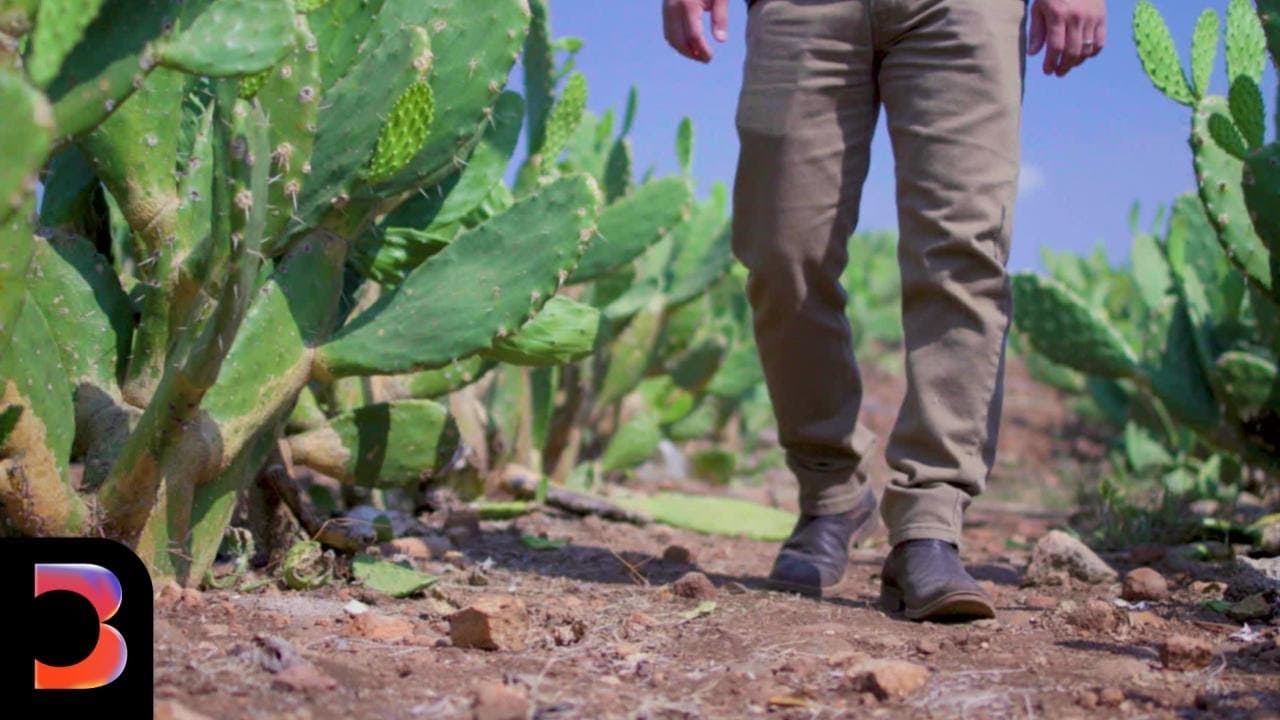
- Cactus is a resilient plant that grows without irrigation, herbicides, or pesticides, making it an ideal sustainable resource.
- The process of creating cactus leather involves drying the cactus, extracting proteins and fibers, and coating them on recycled materials.
- Cactus leather has been successfully integrated into the fashion industry, with collaborations with brands like Fossil, H&M, and Adidas.
- The versatility of cactus leather allows its application in various industries, including automotive, cosmetics, and pharmaceuticals.
- Cactus leather production supports local economies in Mexico by creating jobs and utilizing a plant that is abundant in the region.
- The company aims to make sustainable materials accessible to everyone, not just large brands, promoting widespread environmental consciousness.
Install to Summarize YouTube Videos and Get Transcripts
Explore YouTube Video Summarizer or Get YouTube Transcript Extractor
Questions & Answers
Q: How does cactus leather contribute to sustainability?
Cactus leather contributes to sustainability by offering an eco-friendly alternative to animal leather, significantly reducing carbon emissions and water usage. The cactus plant requires no irrigation, herbicides, or pesticides, making it a sustainable resource. Additionally, the production process incorporates recycled materials, further minimizing environmental impact.
Q: What makes cactus an ideal plant for sustainable production?
Cactus is ideal for sustainable production due to its resilience and efficiency in growing without irrigation, herbicides, or pesticides. It absorbs humidity from the environment and thrives even in arid conditions. This reduces resource consumption and environmental impact, making cactus a sustainable choice for biomaterial production.
Q: What is the process of creating cactus leather?
Creating cactus leather involves harvesting the cactus, drying it in the sun for three days, and extracting proteins and fibers. These are then transformed into a liquid paste and coated onto recycled materials like polyester or cotton. This process results in a material that resembles leather in texture and appearance.
Q: Which industries can benefit from cactus leather?
Cactus leather is primarily used in the fashion industry, with applications in garments, accessories, and footwear. However, its versatility allows it to extend into other industries, including automotive, cosmetics, and pharmaceuticals, offering sustainable alternatives to traditional materials across various sectors.
Q: How has cactus leather been received in the fashion industry?
Cactus leather has been well-received in the fashion industry, evidenced by successful collaborations with major brands like Fossil, H&M, and Adidas. These partnerships highlight the growing demand for sustainable materials and the industry's shift towards eco-friendly practices to meet consumer expectations.
Q: What are the economic benefits of cactus leather production in Mexico?
Cactus leather production supports local economies in Mexico by creating jobs and utilizing a plant that is abundant in the region. This not only provides economic opportunities but also promotes the use of a culturally significant plant, aligning with national identity and sustainable development goals.
Q: Why is consumer demand for sustainable materials increasing?
Consumer demand for sustainable materials is increasing as people become more aware of the environmental impact of their choices. Many are seeking to reduce their carbon footprint and support eco-friendly products, prompting industries to adopt sustainable practices and offer alternatives like cactus leather.
Q: What future possibilities exist for cactus leather innovation?
Future possibilities for cactus leather innovation include expanding its applications beyond fashion into industries like automotive, cosmetics, and pharmaceuticals. The technology used in its production opens doors to new biomaterials, potentially revolutionizing sustainable practices and offering diverse eco-friendly solutions.
Summary & Key Takeaways
-
Cactus leather provides a sustainable alternative to traditional animal leather, addressing environmental concerns associated with the fashion industry. Developed by Mexican entrepreneurs, this innovative material leverages the natural resilience of cactus plants, which require minimal resources to grow, making them an ideal choice for sustainable production.
-
The production process of cactus leather involves drying the cactus, extracting its proteins and fibers, and coating them onto recycled materials. This results in a material that mimics the look and feel of leather without the environmental impact of animal farming, aligning with the growing consumer demand for eco-friendly products.
-
Cactus leather has gained traction in the fashion industry through collaborations with major brands like Fossil, H&M, and Adidas. Its potential extends beyond fashion, with applications in automotive, cosmetics, and pharmaceuticals, offering a versatile solution to sustainability challenges across various sectors.
Read in Other Languages (beta)
Share This Summary 📚
Summarize YouTube Videos and Get Video Transcripts with 1-Click
Try YouTube Summary with ChatGPT & Claude or YouTube Transcript Generator
Explore More Summaries from Bloomberg Originals 📚





Summarize YouTube Videos and Get Video Transcripts with 1-Click
Try YouTube Summary with ChatGPT & Claude or YouTube Transcript Generator