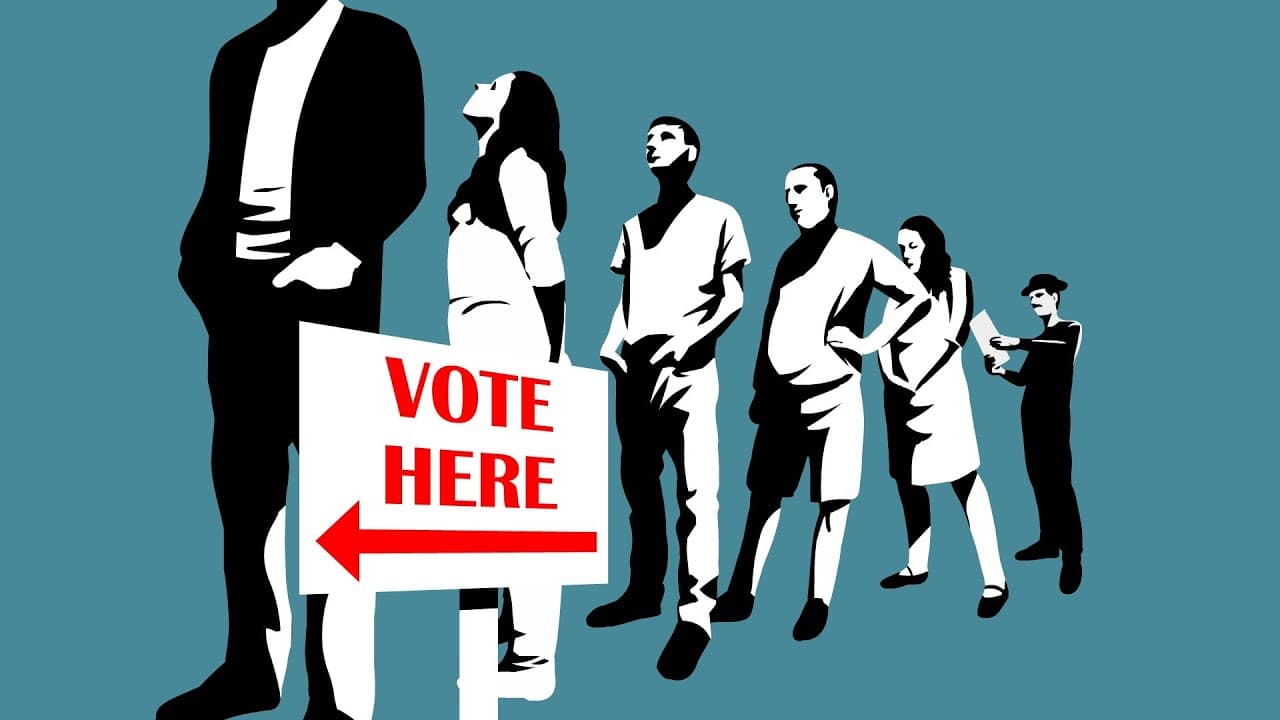
The fight for the right to vote in the United States - Nicki Beaman Griffin
TL;DR
The journey from restricted suffrage to universal voting rights in the U.S.
Transcript
When the next general election rolls around, who will be eligible to show up at the polls and vote for the President of the United States? It's really pretty simple. If you are at least 18 years old, a citizen of the U.S., and a resident of a state, you can vote, assuming, that is, you are not a felon. Seems about right. After all, the United State... Read More
Key Insights
- 🤍 Early U.S. voting rights favored exclusive white, male property owners.
- 🗯️ Amendments like the 15th and 19th expanded voting rights to more citizens.
- 🗯️ Civil rights movement and Voting Rights Act of 1965 improved suffrage.
- 🗯️ Challenges like discrimination and restrictions hindered voting rights.
- 🤕 The 26th Amendment in 1971 expanded suffrage to citizens aged 18 and older.
- 👥 Efforts are still ongoing to suppress certain groups from voting.
- ❓ Only about 60% of eligible voters participate in the U.S.
Install to Summarize YouTube Videos and Get Transcripts
Explore YouTube Video Summarizer or Get YouTube Transcript Extractor
Questions & Answers
Q: How did voting rights evolve from exclusive to universal suffrage in the United States?
Voting rights in the U.S. initially favored white, male property owners, but amendments like the 15th and 19th, civil rights movement, and 26th Amendment expanded suffrage to more citizens.
Q: What were some obstacles faced in the journey towards universal suffrage?
Challenges such as the Civil War, discrimination towards African-Americans and women, literacy tests, and poll taxes hindered the full realization of voting rights for all citizens.
Q: How did the Voting Rights Act of 1965 impact voting rights in the United States?
The Voting Rights Act of 1965 eliminated discriminatory practices like literacy tests, ensuring the protection of voting rights promised under the 15th Amendment and broadening suffrage eligibility.
Q: What are the current voting rights challenges in the United States?
Despite progress, there are active efforts to suppress votes of certain groups, and voter turnout remains around 60%, prompting reflection on the adequacy of citizen suffrage and reasons for low voter turnout.
Summary & Key Takeaways
-
Voting rights in the U.S. have evolved from exclusive white, male property owners to universal suffrage.
-
Challenges like the Civil War, discrimination, and suffrage movements shaped voting rights.
-
Milestones include amendments, civil rights movement, and 26th Amendment expansion.
Read in Other Languages (beta)
Share This Summary 📚
Summarize YouTube Videos and Get Video Transcripts with 1-Click
Try YouTube Summary with ChatGPT & Claude or YouTube Transcript Generator
Explore More Summaries from TED-Ed 📚


Summarize YouTube Videos and Get Video Transcripts with 1-Click
Try YouTube Summary with ChatGPT & Claude or YouTube Transcript Generator