How to Plan for a Fulfilling Retirement
TL;DR
Retirement planning isn't just about finances; it's crucial to also focus on relationships and purpose. Christine Benz emphasizes the importance of considering lifestyle changes, health, and spending patterns in retirement. She suggests a holistic approach, where financial stability supports a meaningful life post-retirement, rather than just focusing on accumulating wealth.
Transcript
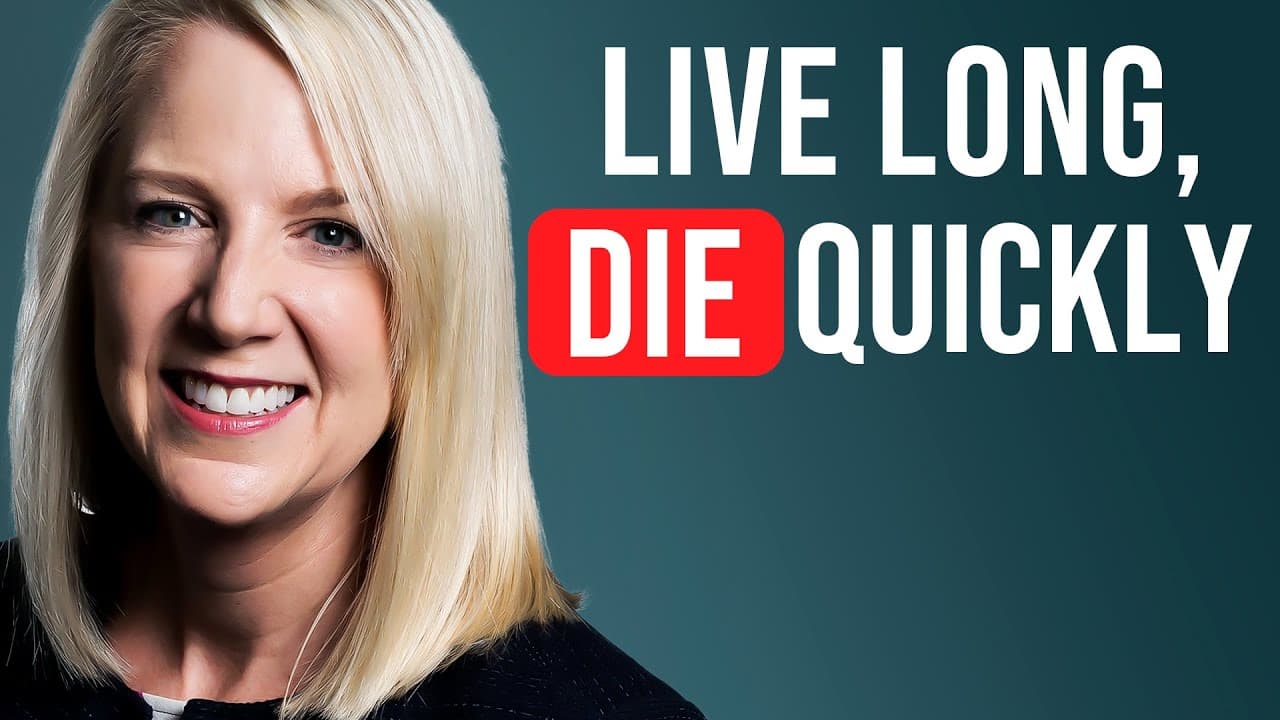
you want to be on the live long die quickly plan live long and die quickly is that the way we should be planning our retirement I'm 45 and still a decade away from retirement but that doesn't mean that I don't think about it often yes I'm looking forward to traveling the world as an empty nester but is that what really happens the way we work in th... Read More
Key Insights
- Retirement planning involves both financial and non-financial aspects.
- Good savers often struggle to spend money in retirement.
- Long-term care costs are a significant concern for retirees.
- The retirement spending 'smile' shows spending decreases in middle retirement years.
- Phased retirement can prevent burnout and promote a healthier transition.
- Relationships tend to winnow down in retirement, but maintaining a diverse social circle is important.
- Purpose in retirement doesn't have to be grand; smaller, personal goals are equally valuable.
- Healthier individuals may face more cognitive decline due to longer lifespans.
Install to Summarize YouTube Videos and Get Transcripts
Explore YouTube Video Summarizer or Get YouTube Transcript Extractor
Questions & Answers
Q: How should one plan for retirement beyond just saving money?
Retirement planning should include both financial and non-financial aspects. While financial stability is crucial, it's equally important to focus on maintaining relationships, finding purpose, and considering lifestyle changes. A holistic approach ensures that financial resources support a meaningful life post-retirement.
Q: What is the retirement spending 'smile'?
The retirement spending 'smile' is a pattern where retirees' spending decreases during the middle years of retirement and may increase later due to healthcare costs. Early retirement years often see higher spending due to activities like travel, while spending typically slows down as retirees become less active.
Q: How can phased retirement benefit individuals?
Phased retirement allows individuals to gradually reduce their work hours or responsibilities, preventing burnout and promoting a healthier transition into retirement. It enables people to adjust their work-life balance, explore new interests, and maintain a sense of purpose while still being engaged in their careers.
Q: What are the key considerations for long-term care in retirement?
Long-term care is a significant concern for retirees, with costs varying based on location and individual needs. It's important to plan for potential long-term care expenses, which can be substantial. Individuals should consider setting aside funds to cover a couple of years of care, with the understanding that longer-term needs may require additional resources.
Q: Why do good savers often struggle to spend in retirement?
Good savers may struggle to spend in retirement because frugality becomes part of their identity. Transitioning from saving to spending can be challenging, as they may feel uncomfortable or guilty about using their savings. Practicing spending before retirement and focusing on meaningful expenditures, like lifetime giving, can help ease this transition.
Q: How do relationships change in retirement?
As people age, their social networks tend to winnow down, often self-selecting into smaller circles of close, trusted relationships. It's important to maintain diverse social connections, including those with different age groups, to ensure a supportive and fulfilling social life in retirement.
Q: What role does purpose play in retirement?
Purpose in retirement doesn't have to be a grand endeavor. Smaller, personal goals can provide a sense of fulfillment and direction. Engaging in activities that bring joy and satisfaction, such as hobbies or community involvement, can help retirees maintain a sense of purpose and well-being.
Q: How can one address the potential for cognitive decline in retirement?
While healthier individuals may face more cognitive decline due to longer lifespans, it's important to focus on preventative health measures. Staying active, both physically and mentally, can help mitigate cognitive decline. Planning for potential long-term care needs and maintaining a supportive social network are also crucial.
Summary & Key Takeaways
-
Retirement planning should encompass both financial and non-financial aspects to ensure a fulfilling life post-retirement. Financial stability is crucial, but so is maintaining relationships and finding purpose.
-
The concept of phased retirement can help individuals transition smoothly without burnout, allowing them to adjust their work-life balance gradually.
-
Spending patterns in retirement often follow a 'smile' pattern, decreasing in the middle years and potentially increasing later due to healthcare costs.
Read in Other Languages (beta)
Share This Summary 📚
Summarize YouTube Videos and Get Video Transcripts with 1-Click
Try YouTube Summary with ChatGPT & Claude or YouTube Transcript Generator
Explore More Summaries from Khe Hy - RadReads 📚


Summarize YouTube Videos and Get Video Transcripts with 1-Click
Try YouTube Summary with ChatGPT & Claude or YouTube Transcript Generator