7. Foreign Policy
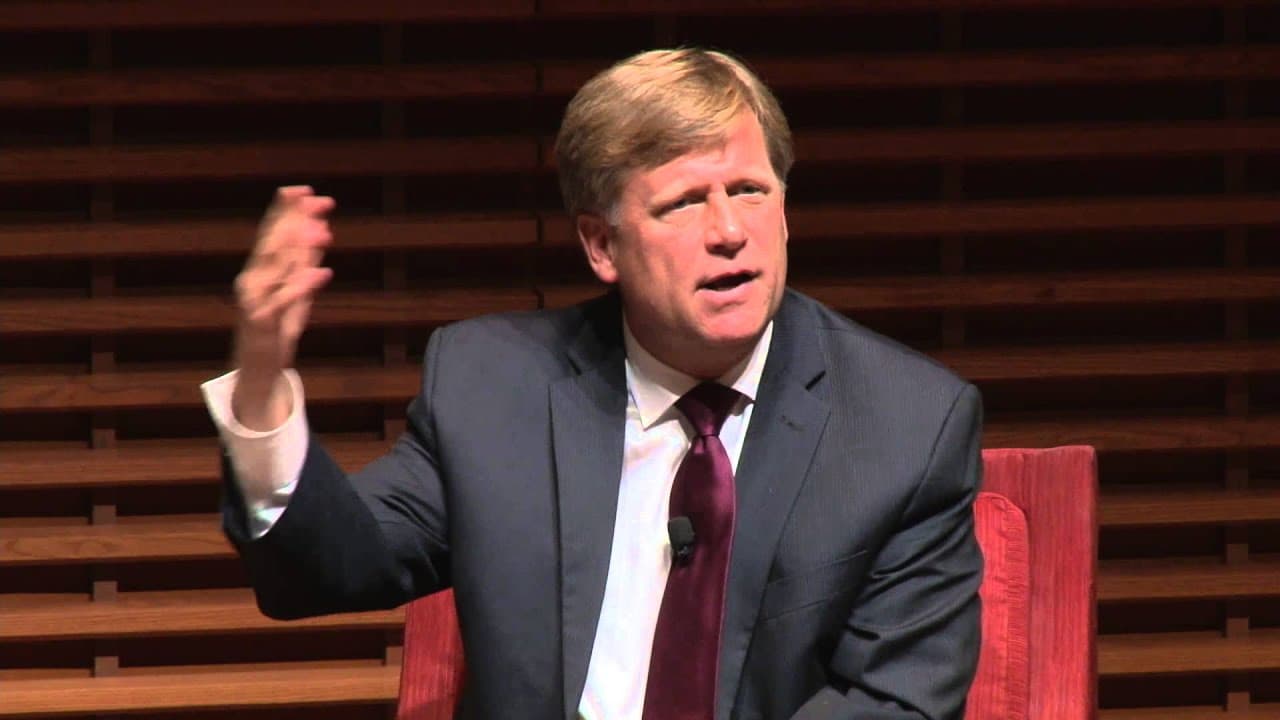
TL;DR
The rise of multi-polarity and the increasing complexity of the global security environment raises questions about the usefulness and practicality of military force as an instrument of American power.
Transcript
[MUSIC] Stanford University. >> Let me welcome you to the final session of the Stanford state of the union 2014 class. Topic tonight is foreign policy and we've got two fantastic guests, both former ambassadors both now at Standford. And to get the evening kicked off we are going to start with some framing remarks from David Kennedy. Thank you, Rob... Read More
Key Insights
- 😒 The use of military force as an instrument of American power has had mixed results in recent years, leading to debates about its effectiveness.
- 🎖️ The disconnect between the military and American society poses challenges in decision-making and oversight.
- 👏 The rise of drone warfare raises questions about the rule of law and transparency in the use of armed drones.
- 😮 Russia's actions in Syria and the rise of ISIS require a careful balance of engagement and firmness in order to address common threats and prevent further conflicts.
Install to Summarize YouTube Videos and Get Transcripts
Explore YouTube Video Summarizer or Get YouTube Transcript Extractor
Questions & Answers
Q: What motivates Vladimir Putin?
Putin's motivations are rooted in domestic politics and a desire to regain Russian power and influence globally. He often sees the United States as an enemy and approaches foreign policy from a zero-sum perspective.
Q: How should the United States approach Russia's actions in Syria and the rise of ISIS?
The United States should work towards finding common interests and building on areas of cooperation with Russia, while also maintaining a strong stance against any violations of international law. It is important to engage in open dialogue and seek diplomatic solutions to prevent further conflicts.
Q: How can American citizens play a role in shaping foreign policy decisions?
American citizens should actively engage in the political process, holding politicians accountable for their decisions and participating in public discussions about foreign policy issues. There is also a need for reforms in Congress and a reevaluation of the War Powers Act to ensure a more inclusive and transparent decision-making process.
Summary & Key Takeaways
-
American military power has had mixed results in recent years, with significant challenges faced in Korea, Vietnam, Iraq, and Afghanistan, leading to questions about its effectiveness.
-
The increase in military deployments since the introduction of the all-volunteer force has led to a disconnect between the military and American society, affecting the decision-making process and accountability.
-
The rise of drone warfare has further complicated the issue, with concerns about the rule of law and transparency in the use of armed drones.
Read in Other Languages (beta)
Share This Summary 📚
Summarize YouTube Videos and Get Video Transcripts with 1-Click
Try YouTube Summary with ChatGPT & Claude or YouTube Transcript Generator
Explore More Summaries from Stanford 📚






Summarize YouTube Videos and Get Video Transcripts with 1-Click
Try YouTube Summary with ChatGPT & Claude or YouTube Transcript Generator