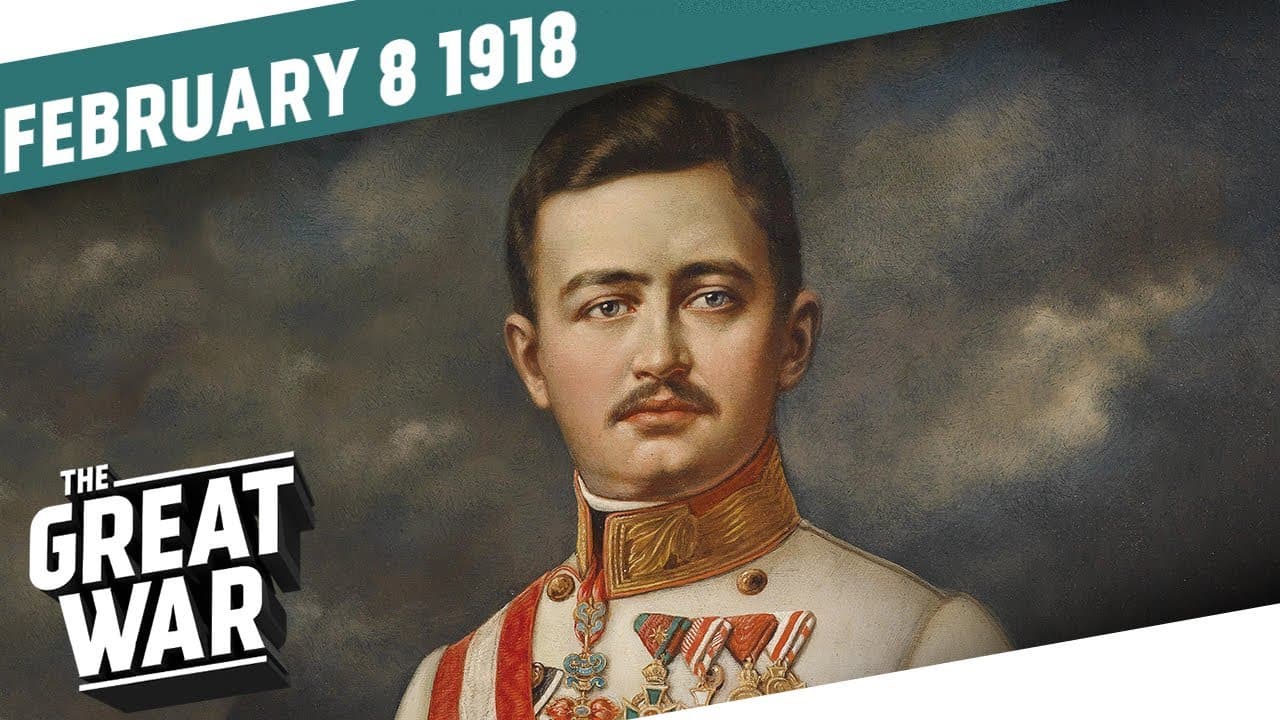
Austro-Hungarian House of Cards I THE GREAT WAR Week 185
TL;DR
Austria-Hungary faces political instability amid WWI challenges.
Transcript
The battles have been fought in the field for 42 months now, back and forth, all over the world. And at home? In the political machines of the warring nations and empires? It’s maneuver and outmaneuver, not just against the enemy, but against your own. In fact, by this time in Austria-Hungary, it very much is a house of cards. I’m Indy Neidell; wel... Read More
Key Insights
- The Austro-Hungarian Empire is experiencing severe internal political instability, described metaphorically as a house of cards, with various factions maneuvering for power.
- There are widespread strikes and mutinies within the empire, indicating significant unrest among both military and civilian populations.
- Italy's postwar ambitions are complicated by the Treaty of London and President Wilson's 14 points, creating tension between imperialist and anti-imperialist goals.
- The Brest-Litovsk peace negotiations are fraught with difficulties, with Germany and Austria-Hungary demanding significant territorial concessions from Russia.
- Austrian Foreign Minister Count Czernin is caught in a complex diplomatic situation, needing Ukrainian grain to stave off starvation but risking political fallout with Poland.
- The British government faces internal conflict over military leadership roles, reflecting broader tensions between political and military leaders during the war.
- Anti-war sentiment in Britain is limited but notable, with conscientious objectors facing harsh conditions and prominent figures like Bertrand Russell being imprisoned.
- The geopolitical landscape is rapidly changing, with new national entities emerging and traditional empires struggling to maintain cohesion.
Install to Summarize YouTube Videos and Get Transcripts
Explore YouTube Video Summarizer or Get YouTube Transcript Extractor
Questions & Answers
Q: What internal challenges is Austria-Hungary facing during this period?
Austria-Hungary is experiencing significant internal challenges, described as a political house of cards. There are widespread strikes and mutinies, reflecting unrest among military and civilian populations. Ethnic self-determination movements are gaining momentum, threatening the cohesion of the Habsburg Empire. Political leaders are struggling to maintain stability amid these pressures.
Q: How are Italy's war aims affecting its relations with other Allied powers?
Italy's war aims are complicated by the Treaty of London, which promised territorial gains, and President Wilson's 14 points, which emphasize anti-imperialism. This creates tension with other Allied powers, as Italy's ambitions clash with emerging principles of national self-determination and anti-imperialism. The situation is further complicated by Italy's military setbacks and shifting postwar prospects.
Q: What are the key issues in the Brest-Litovsk peace negotiations?
The Brest-Litovsk peace negotiations are marked by significant challenges, with Germany and Austria-Hungary demanding territorial concessions from Russia. These demands include large swaths of land, such as Poland and the Baltic states, which would significantly alter the geopolitical landscape. The negotiations are further complicated by internal disagreements within the Central Powers and the ongoing Bolshevik influence in Russia.
Q: How is Count Czernin's position complicated by the need for Ukrainian grain?
Count Czernin's position is complicated by the dire need for Ukrainian grain to avert starvation in Austria-Hungary. However, securing this grain requires political concessions that risk alienating Poland, a crucial supporter of the Habsburg Empire. Additionally, Czernin must balance relations with Germany, which is necessary to protect Ukraine from Bolshevik forces, further complicating the diplomatic landscape.
Q: What leadership conflicts are occurring within the British government?
The British government is experiencing leadership conflicts, particularly regarding military command roles. Army Chief of Staff Wully Robertson is at odds with Prime Minister David Lloyd George over the role of the British representative on the Allied Supreme War Council. This reflects broader tensions between political and military leaders, as they navigate the complexities of wartime decision-making and authority.
Q: What is the state of anti-war sentiment in Britain during this time?
Anti-war sentiment in Britain is present but limited, with vocal opposition largely confined to a small number of conscientious objectors. These individuals face harsh conditions, as exemplified by the death of Henry Firth, a shoemaker who died after being imprisoned for his anti-war stance. Public figures like Bertrand Russell also face repercussions for advocating peace, highlighting the contentious nature of anti-war activism.
Q: How is the geopolitical landscape changing during this period?
The geopolitical landscape is undergoing significant changes, with traditional empires like Austria-Hungary facing internal and external pressures. New national entities are emerging, driven by ethnic self-determination movements and shifting alliances. The Brest-Litovsk negotiations and Italy's ambitions further complicate the situation, as territories are redrawn and political dynamics shift, altering the balance of power in Europe.
Q: What role does the Treaty of London play in Italy's postwar outlook?
The Treaty of London plays a crucial role in shaping Italy's postwar outlook, as it promised territorial gains in exchange for joining the war. However, these ambitions are challenged by President Wilson's 14 points, which emphasize national self-determination and anti-imperialism. This creates tension within the Allied powers and complicates Italy's diplomatic relations, as it seeks to balance its wartime sacrifices with postwar aspirations.
Summary & Key Takeaways
-
The Austro-Hungarian Empire is in a precarious position, with internal political factions vying for power and external pressures from ongoing World War I battles. Strikes and mutinies across the empire reflect widespread unrest, while peace negotiations at Brest-Litovsk complicate the geopolitical landscape.
-
Italy's war aims are challenged by conflicting treaties and international principles, creating tension within the Allied powers. Meanwhile, Austria-Hungary's need for Ukrainian grain to avert starvation is complicated by political dynamics involving Poland and Germany, risking the empire's stability.
-
The British government grapples with internal leadership conflicts, while anti-war sentiment, though limited, gains attention through conscientious objectors and public figures like Bertrand Russell. The broader war effort continues to shape the political and social landscape across Europe.
Read in Other Languages (beta)
Share This Summary 📚
Summarize YouTube Videos and Get Video Transcripts with 1-Click
Try YouTube Summary with ChatGPT & Claude or YouTube Transcript Generator
Explore More Summaries from The Great War 📚
Summarize YouTube Videos and Get Video Transcripts with 1-Click
Try YouTube Summary with ChatGPT & Claude or YouTube Transcript Generator