Ethical dilemma: Would you lie? - Sarah Stroud
TL;DR
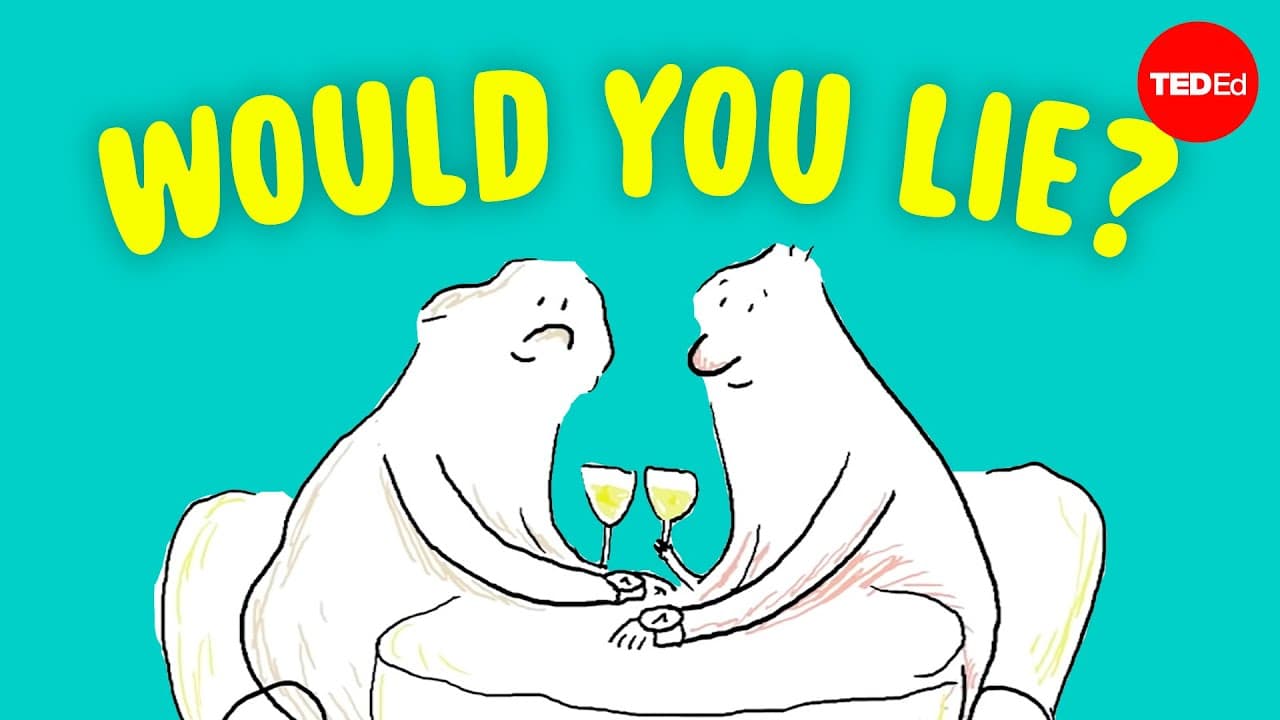
Should you lie to ensure punctuality for a friend's blind date?
Transcript
Your plan to set up your friend Carey with your acquaintance Emerson is finally coming together. Both individuals have heard all about each other and they’re eager to meet for dinner. You’ve just made them a reservation for Friday night, and you’re about to text Carey the details when an unsettling thought crosses your mind: Carey is always late.... Read More
Key Insights
- 😌 Philosophical ethics offer contrasting perspectives on lying, emphasizing moral rules versus consequential outcomes.
- 🫡 Balancing happiness and respect in ethical decisions such as lying involves considering individual autonomy and well-being.
- 🤥 Paternalistic lying, while intending to benefit others, can undermine autonomy and lead to disrespectful actions.
Install to Summarize YouTube Videos and Get Transcripts
Explore YouTube Video Summarizer or Get YouTube Transcript Extractor
Questions & Answers
Q: Is it morally acceptable to lie in the given scenario?
This situation presents a moral dilemma, with philosophical perspectives conflicting on the ethics of lying for the greater good or respecting autonomy.
Q: How do various ethical theories, like Kant's absolutism and Mill's utilitarianism, influence the decision to lie?
Kant emphasizes strict adherence to moral rules, while Mill considers consequences; applying these theories reveals a clash between respect and happiness.
Q: What implications does paternalism have in the context of lying to protect someone from their own behavior?
Paternalistic lying may signal a lack of respect for autonomy, potentially causing more harm than good by denying individuals agency.
Q: Can moral conflicts like lying be objectively resolved, or are they subjective and case-dependent?
Resolving ethical dilemmas involving lying often requires balancing conflicting values and considering the unique circumstances and individuals involved.
Summary & Key Takeaways
-
Setting up a blind date between a punctual acquaintance and a chronically late friend raises the question of whether lying about the dinner reservation time is justified.
-
Immanuel Kant's absolutist stance opposes lying under any circumstances, while utilitarian John Stuart Mill argues for lying if it leads to greater overall happiness.
-
Lying in this scenario may be seen as paternalistic, infringing on the friend's autonomy and potentially disrespecting both parties.
Read in Other Languages (beta)
Share This Summary 📚
Summarize YouTube Videos and Get Video Transcripts with 1-Click
Try YouTube Summary with ChatGPT & Claude or YouTube Transcript Generator
Explore More Summaries from TED-Ed 📚


Summarize YouTube Videos and Get Video Transcripts with 1-Click
Try YouTube Summary with ChatGPT & Claude or YouTube Transcript Generator