Night Combat - Tank Hunters - Airplane Detection I OUT OF THE TRENCHES
TL;DR
Exploration of WWI tactics, technology, and international troop contributions.
Transcript
I'm Indie nidel and this is another exciting episode of out of the trenches where I sit here in the chair of wisdom and answer all of your questions about the first world war Nicholas Peterson writes having come across a few articles about Allied tanks in German possession I often wonder if the German Empire trained units to disable Allied tanks ra... Read More
Key Insights
- The German Empire initially underestimated the potential of tanks, but eventually developed tactics to disable them, including special training for artillery crews and anti-tank rifles.
- Detecting enemy aircraft before radar involved acoustic methods like listening devices and large concrete mirrors, though these were often inefficient.
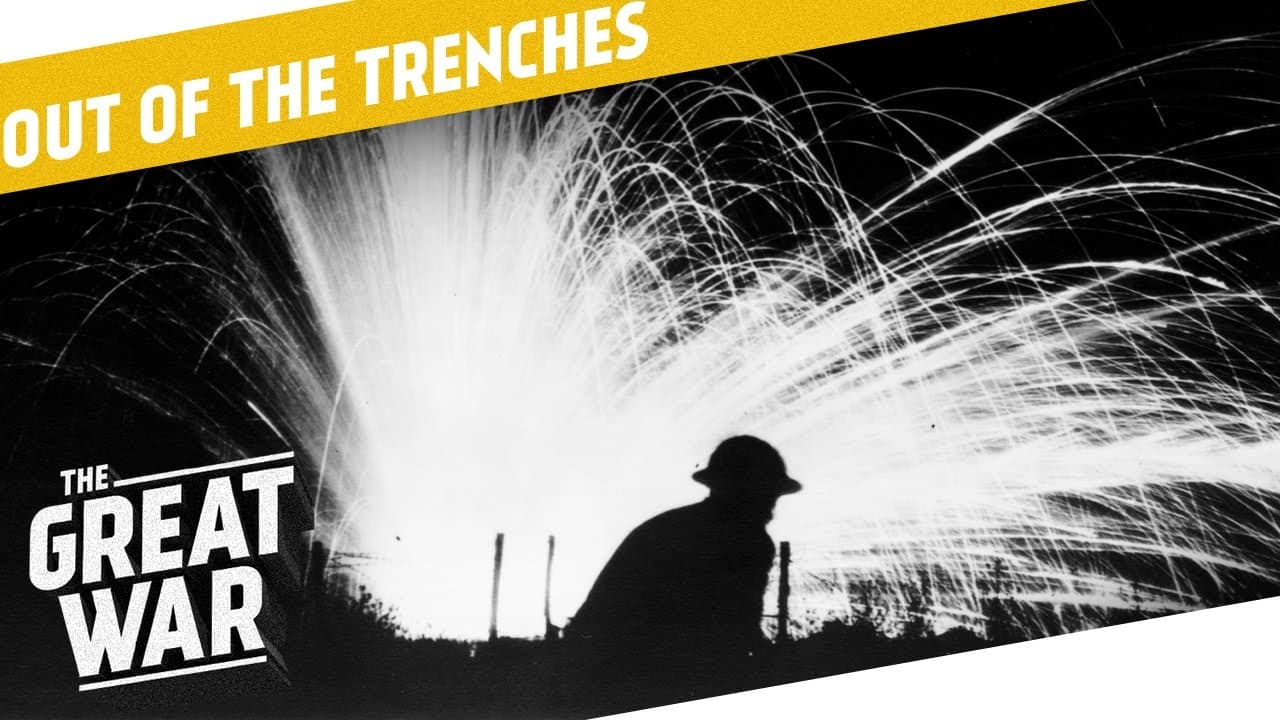
- Night combat saw advancements with tracer bullets and illumination rounds, which helped pilots and troops identify targets in the dark.
- The modern Red Dot sight was invented before WWI but saw limited use during the war, primarily by German aircraft in 1918.
- Austria-Hungary supported Germany on the Western Front with artillery units, but their involvement was limited and not sustained.
- Bulgaria refused to send troops to assist Germany on other fronts, citing their focus on defending their homeland.
- Tracer bullets were crucial in combating Zeppelin raids, igniting hydrogen and aiding aim adjustment for pilots.
- Nighttime gun sights, like the luminous radium paint used by the British, were primitive but helped improve accuracy in low-light conditions.
Install to Summarize YouTube Videos and Get Transcripts
Explore YouTube Video Summarizer or Get YouTube Transcript Extractor
Questions & Answers
Q: Did the German Empire have specialized units to disable tanks?
The German Empire was slow in recognizing the potential of tanks but eventually developed tactics to disable them. Artillery crews received special training to target tanks, and anti-tank rifles were introduced, requiring two operators. These measures were part of Germany's efforts to counter the threat posed by Allied tanks.
Q: How were enemy aircraft detected before the invention of radar?
Before radar, detecting enemy aircraft involved using long-range listening devices and large concrete acoustic mirrors. These methods relied on sound detection, with troops listening for airplane engines. However, pinpointing exact locations was difficult, and visual sightings often preceded acoustic detection, highlighting the limitations of these early methods.
Q: What advancements were made in night combat during WWI?
Night combat during WWI saw advancements with the introduction of tracer bullets and illumination rounds. Tracer bullets helped pilots adjust their aim and ignite hydrogen in Zeppelins. Illumination rounds, or star shells, were used to light up battlefields, aiding in the identification of enemy positions and movements, significantly enhancing nighttime warfare capabilities.
Q: Were any modern gun sights used during WWI?
The modern Red Dot sight was invented before WWI by Howard Grub in 1900. Although it was designed to replace traditional iron sights, its use during the war was limited. Some German aircraft utilized this technology in 1918, but more common were luminous radium-painted sights used by the British, which improved nighttime accuracy despite being radioactive.
Q: Did Austria-Hungary send troops to support Germany on the Western Front?
Austria-Hungary did send troops to support Germany on the Western Front, but their involvement was limited. They provided four batteries of artillery in 1914, participating in early battles before being redirected to the Eastern Front. A small force returned in 1918 but suffered heavy losses during the Meuse-Argonne Offensive against the American Army.
Q: Why did Bulgaria refuse to send troops to support Germany?
Bulgaria refused to send troops to support Germany on other fronts, arguing that their military efforts were focused on defending their homeland. They believed it unjustifiable to commit forces against enemies that did not directly threaten Bulgarian territory, highlighting the country's strategic priorities and limitations during the war.
Q: How did tracer bullets impact combat against Zeppelin raids?
Tracer bullets played a crucial role in combating Zeppelin raids during WWI. These bullets not only helped pilots adjust their aim but also ignited the hydrogen in Zeppelins, causing them to catch fire. This innovation significantly enhanced the effectiveness of aerial defenses against these large, hydrogen-filled airships, which posed a considerable threat.
Q: What were the limitations of nighttime gun sights during WWI?
Nighttime gun sights during WWI, such as the luminous radium paint used by the British, had limitations despite improving accuracy. The radium paint provided a basic glow for aiming in low-light conditions, but it was radioactive and offered only a modest improvement over traditional iron sights. These sights represented early attempts to enhance nighttime combat effectiveness.
Summary & Key Takeaways
-
The episode discusses various aspects of WWI, including German anti-tank tactics, which evolved from underestimating tanks to developing artillery strategies and anti-tank rifles.
-
Detection of enemy aircraft before radar was rudimentary, relying on acoustic devices and mirrors, but these methods were often ineffective, leading to reliance on visual sightings.
-
Night combat techniques improved with tracer bullets and illumination rounds, while the limited use of Red Dot sights and luminous gun sights helped enhance accuracy during nighttime operations.
Read in Other Languages (beta)
Share This Summary 📚
Summarize YouTube Videos and Get Video Transcripts with 1-Click
Try YouTube Summary with ChatGPT & Claude or YouTube Transcript Generator
Explore More Summaries from The Great War 📚



Summarize YouTube Videos and Get Video Transcripts with 1-Click
Try YouTube Summary with ChatGPT & Claude or YouTube Transcript Generator