Curing Our Plastic Problem
TL;DR
Innovative solutions target the global plastic waste problem.
Transcript
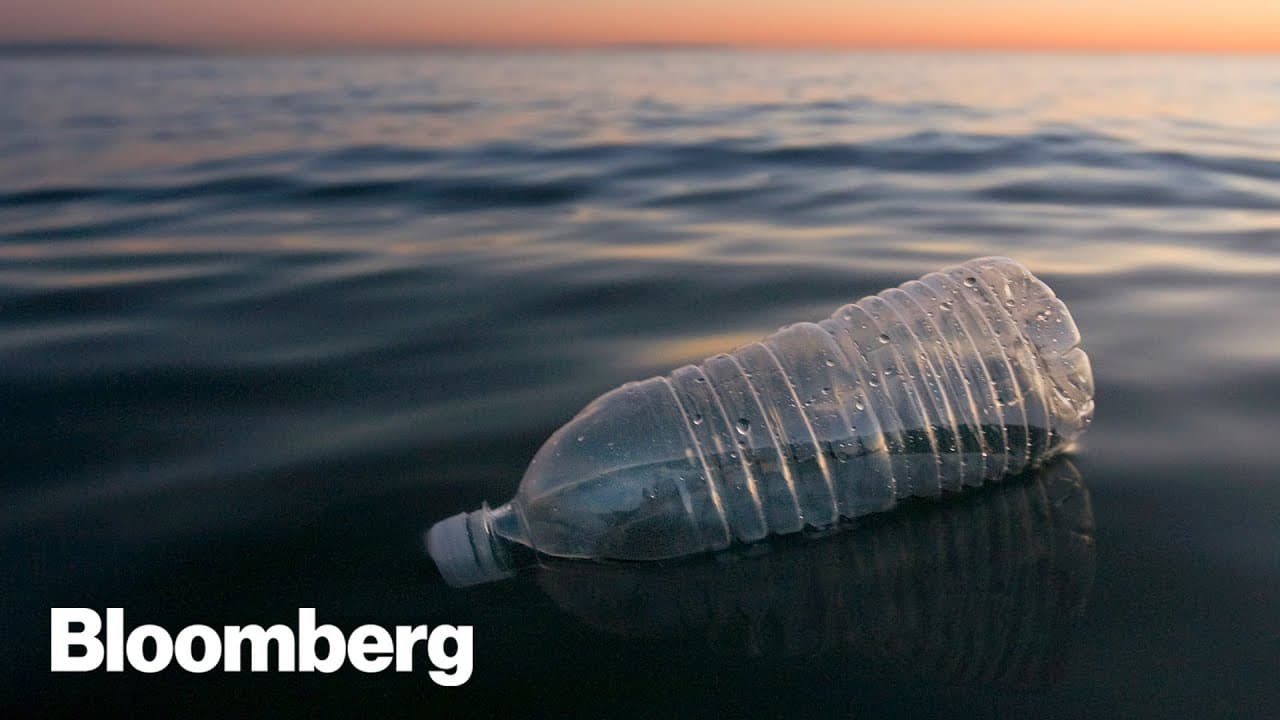
Our addiction to plastic is catastrophic. Remnants of our products have spread to every corner of the planet. The properties that make plastic so useful; cheap, malleable, durable, also makes it damaging. Plastic can’t degrade. So the more we make, the more ends up in our environment. What goes into your recycling bin at home, more than 80 percent ... Read More
Key Insights
- Plastic's durability and low cost make it ubiquitous but environmentally damaging, as it does not degrade, leading to pollution in water and food.
- A significant portion of plastic waste originates from five Asian countries, with single-use plastics contributing heavily to ocean pollution.
- Biodegradable materials, such as those made from cassava starch, offer an alternative for single-use items, decomposing within six to twelve months.
- Universal Bio Pack produces eco-friendly packaging, but these products are more expensive and less durable than traditional plastics.
- Plastic Energy uses Thermal Anaerobic Conversion to convert non-recyclable plastics into oils, which can be reused to create new plastics or fuels.
- The diversity of plastic types complicates recycling efforts, with many mixed-material products ending up in landfills.
- Building modular plants near petrochemical companies allows efficient use of recycled oils, promoting a circular economy.
- A dual approach—developing eco-friendly materials and improving recycling technologies—is essential to addressing the plastic waste crisis.
Install to Summarize YouTube Videos and Get Transcripts
Explore YouTube Video Summarizer or Get YouTube Transcript Extractor
Questions & Answers
Q: What makes plastic both useful and harmful?
Plastic is highly valued for its low cost, malleability, and durability, making it ideal for various applications like shopping bags and packaging. However, these same properties contribute to its environmental harm, as plastic does not degrade easily, leading to pollution in ecosystems, affecting water, food, and wildlife.
Q: Why is plastic waste a significant issue in Asia?
Asia, particularly five countries, contributes heavily to ocean plastic pollution due to rapid economic growth and increased consumption of single-use plastics. These items, like bags and packaging, are often discarded shortly after use, exacerbating pollution in oceans and affecting marine life and ecosystems.
Q: What alternative materials are being developed to replace plastic?
Biodegradable materials, such as those made from cassava starch, are being developed to replace single-use plastics. These materials decompose within six to twelve months, offering an environmentally friendly alternative for items like packaging, although they face challenges in terms of cost and durability compared to traditional plastics.
Q: How does Plastic Energy's technology address plastic waste?
Plastic Energy uses Thermal Anaerobic Conversion to process non-recyclable plastics into oils. This method heats plastics to high temperatures without oxygen, breaking them down into oils that can be reused to create new plastics or fuels, thus reducing landfill waste and supporting a circular economy.
Q: What challenges do recycling efforts face with current plastic types?
Recycling efforts are hindered by the diversity of plastic types and the prevalence of mixed-material products, which complicate the recycling process. Many plastics are not recyclable with current technologies, leading to a significant portion ending up in landfills, highlighting the need for improved recycling methods.
Q: How can modular plants contribute to a circular economy?
Modular plants, built near petrochemical companies, facilitate the efficient use of recycled oils produced from waste plastics. These plants can integrate with existing infrastructure to convert oils back into plastics or fuels, promoting a circular economy by continuously reusing materials rather than relying on new raw materials.
Q: What is the importance of a dual approach in solving the plastic crisis?
A dual approach, combining the development of eco-friendly materials and advanced recycling technologies, is crucial for effectively addressing the plastic waste crisis. This strategy ensures that alternatives to traditional plastics are available while maximizing the reuse of existing materials, reducing environmental impact.
Q: What role does consumer behavior play in addressing plastic waste?
Consumer behavior is pivotal in tackling plastic waste, as choices to use eco-friendly alternatives or support recycling initiatives can drive demand for sustainable products. Consumers may need to accept higher costs or reduced convenience in favor of environmental benefits, influencing market trends and encouraging innovation in sustainable materials.
Summary & Key Takeaways
-
Plastic pollution is a global issue, with its durability causing environmental harm. Innovative solutions, such as biodegradable materials and advanced recycling technologies, aim to mitigate this problem by offering alternatives to traditional plastics.
-
In Asia, rapid economic growth has increased plastic consumption, especially single-use plastics. Companies are developing biodegradable options, like cassava-based packaging, to reduce waste, although these alternatives are currently more expensive.
-
Plastic Energy's technology converts non-recyclable plastics into reusable oils, promoting a circular economy. This process reduces landfill waste and offers a sustainable solution by reusing materials to create new products, emphasizing the need for combined efforts in eco-friendly materials and recycling.
Read in Other Languages (beta)
Share This Summary 📚
Summarize YouTube Videos and Get Video Transcripts with 1-Click
Try YouTube Summary with ChatGPT & Claude or YouTube Transcript Generator
Explore More Summaries from Bloomberg Originals 📚




Summarize YouTube Videos and Get Video Transcripts with 1-Click
Try YouTube Summary with ChatGPT & Claude or YouTube Transcript Generator